Kenya's Sovereign Wealth Fund Law Sets Strict Rules for Public Investments

The legislation establishes strict investment safeguards, stronger oversight and dedicated savings mechanisms intended to preserve resource revenues while supporting long-term economic resilience.

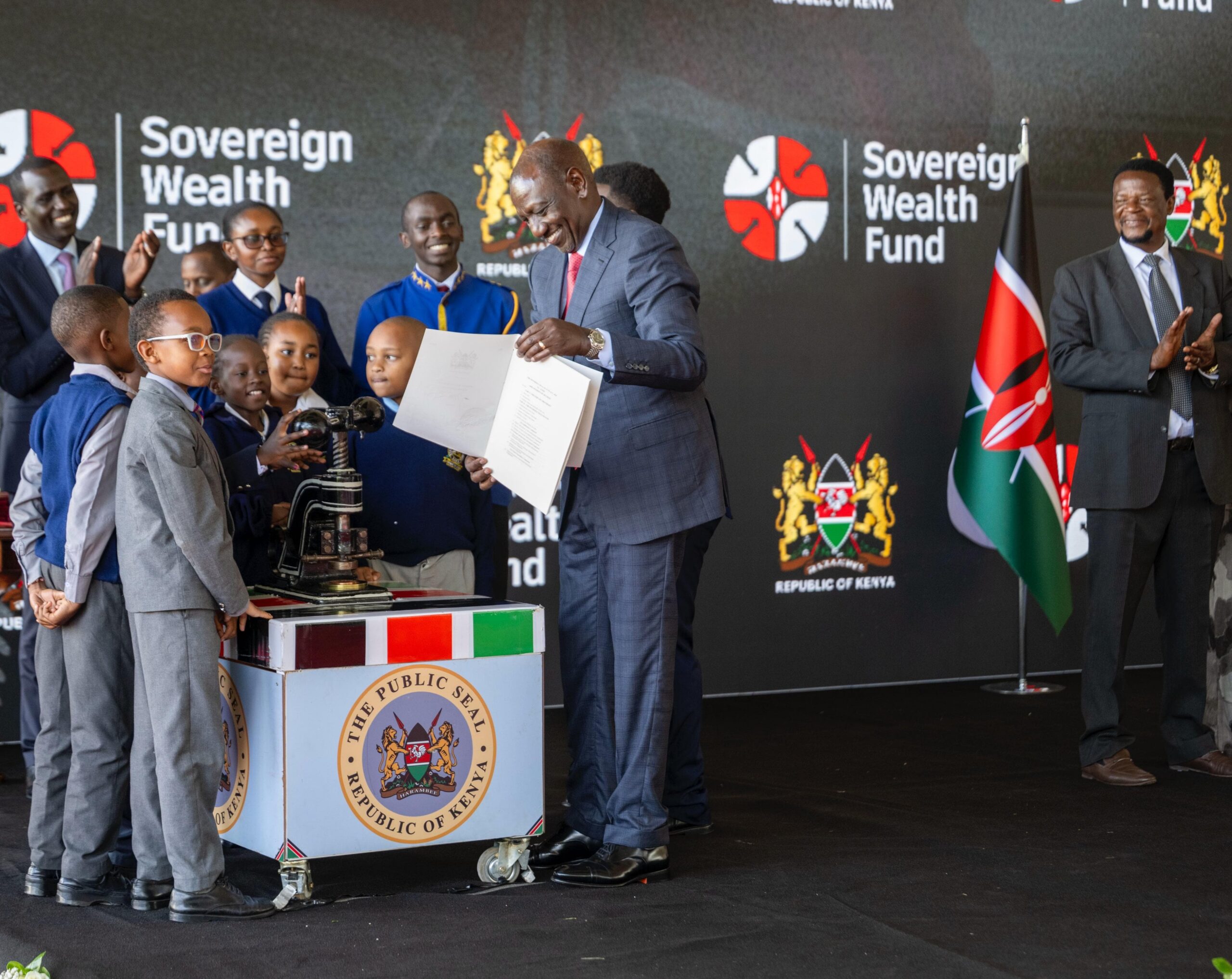
Kenya’s Sovereign Wealth Fund Act 2026 establishes the country’s first permanent legal framework for managing wealth generated from petroleum, mineral resources and other strategic investments. Signed into law by President William Ruto, the legislation introduces strict limits on where the fund can invest, creates three dedicated investment windows and imposes multiple layers of oversight intended to protect public assets for future generations.

Rather than functioning as another government spending vehicle, the fund is designed to preserve national wealth over decades. The Act prohibits investments in speculative derivatives, private equity, commodities, art, unlisted assets, Kenyan real estate and securities issued by Kenyan entities, reflecting a deliberately conservative investment approach intended to reduce risk and insulate the fund from political pressure.

Why Kenya Has Created a Sovereign Wealth Fund

Sovereign wealth funds have become an important tool for countries seeking to convert revenues from finite natural resources into long-term financial assets.

For Kenya, the legislation arrives before large-scale petroleum production has begun, allowing the country to establish governance rules before significant resource revenues begin flowing. The objective is to ensure that wealth generated from mineral and petroleum resources is invested rather than entirely consumed through current government expenditure.

The Act establishes the fund as a national investment vehicle with three distinct objectives: protecting the economy during periods of financial stress, financing strategic national investments and preserving part of today’s resource wealth for future generations.

JOIN OUR TECHTRENDS NEWSLETTER

The legislation also places Kenya alongside a growing number of countries that have adopted formal sovereign wealth fund frameworks to strengthen fiscal resilience and intergenerational savings.

How the Kenya Sovereign Wealth Fund Will Work

The Act creates three separate windows, each serving a different policy purpose.

The Stabilisation Fund will provide a financial buffer during periods of economic disruption or unexpected revenue shortfalls.

The Strategic Infrastructure Investment Fund is intended to support nationally important development projects while helping mobilise additional private investment.

The third pillar, the Future Generations Fund, also known as the Urithi Fund, is designed to preserve national wealth over the long term. Under the Act, 30 per cent of revenues generated from petroleum and mineral resources will be ring-fenced for this fund, ensuring that part of Kenya’s natural resource wealth remains available long after those resources are depleted.

The remaining revenues will support economic stabilisation and strategic investments within the framework established by the law.


Why the Law Bans High-Risk Investments

One of the legislation’s defining features is its conservative investment policy.

The Act prohibits investments in speculative derivatives, private equity, commodities, artwork, unlisted assets, Kenyan real estate and securities issued by Kenyan entities.

These restrictions are intended to reduce exposure to volatile or politically sensitive investments while protecting public wealth from excessive risk.

The prohibition on domestic securities and real estate is particularly significant. Rather than concentrating national savings within Kenya’s own financial markets, the framework points towards internationally diversified, professionally managed investments that are better positioned to preserve capital over long investment horizons.

That approach mirrors elements of several established sovereign wealth funds, which prioritise capital preservation, diversification and disciplined risk management over higher-risk strategies that may produce stronger returns but expose public assets to greater losses.

At the same time, the restrictions raise practical questions about how the Strategic Infrastructure Investment Fund will finance priority projects while remaining consistent with the Act’s investment limitations. Much of that detail is expected to be clarified through implementing regulations.

How the Act Strengthens Oversight and Accountability

The legislation introduces several safeguards aimed at preventing misuse of public funds.

Any withdrawal from the Sovereign Wealth Fund must receive approval from the Controller of Budget in accordance with the Constitution.

The Sovereign Wealth Fund Board is required to prepare annual financial statements for each component of the fund and submit them to the Auditor-General for independent audit. Annual performance reports must also be published before being tabled in the National Assembly, which retains oversight of the fund’s investment policies.

The Act also creates criminal liability for officials or other individuals who misappropriate fund assets or knowingly facilitate their misuse.

These governance measures are intended to strengthen transparency, reinforce accountability and reduce opportunities for political interference in the management of long-term national savings.

How the Sovereign Wealth Fund Fits Into Kenya’s Broader Financial Strategy

The new law forms part of a broader effort to strengthen Kenya’s financial architecture.

Recent reforms have sought to deepen domestic capital markets, attract more international institutional investors and expand sources of long-term investment capital.

The launch of the Central Bank of Kenya’s market link with Clearstream has simplified access to Kenyan government securities for foreign institutional investors, while reforms at the Nairobi International Finance Centre have introduced tax incentives designed to attract global financial firms to establish regional operations in Nairobi.

At the same time, Kenya has continued expanding its domestic capital markets through new debt issuances, listings and investment products at the Nairobi Securities Exchange.

Against that backdrop, the Sovereign Wealth Fund adds another institutional pillar by creating a professionally governed national investment vehicle focused on preserving public wealth rather than financing day-to-day government spending.

Together, these initiatives reflect a broader strategy of strengthening financial institutions, improving market credibility and expanding access to long-term investment capital.

Questions That Still Need Answers as Implementation Begins

Although the Act establishes the legal framework, several important questions remain.

The government will need to publish regulations explaining how the fund’s investment strategy will operate in practice, including the types of international assets that will be eligible for investment and the governance framework for appointing professional fund managers.

Further clarification will also be required on how the Strategic Infrastructure Investment Fund will support national development projects while complying with restrictions on domestic investments.

Another area to watch will be the relationship between the Sovereign Wealth Fund and other public investment institutions established under Kenya’s broader economic reform agenda, including the National Infrastructure Fund.

Ultimately, the success of the Sovereign Wealth Fund will depend less on the legislation itself than on disciplined implementation. Strong governance, transparent reporting, professional investment management and consistent political commitment will determine whether the fund achieves its central objective: transforming finite natural resource revenues into lasting national wealth that benefits both present and future generations.

A Practical Guide for Businesses Reviewing Their Cybersecurity

Cyber threats continue to evolve, but businesses do not need to navigate those challenges without reliable information. Understanding how modern attacks work is the first step towards making informed security decisions.

The Kaspersky SMB Cybersecurity Guide examines common attack methods, explains the role of modern endpoint protection and outlines how layered security can help businesses detect and respond to threats more effectively. It is designed for organisations looking to strengthen cybersecurity without adding unnecessary operational complexity.

Download the free Kaspersky SMB Cybersecurity Guide here to learn how businesses can move beyond traditional antivirus and build a more resilient approach to cybersecurity.

Go to TECHTRENDSKE.co.ke for more tech and business news from the African continent and across the world.

Follow us on WhatsAppTelegramTwitter, and Facebook, or subscribe to our weekly newsletter to ensure you don’t miss out on any future updates. Send tips to editorial@techtrendsmedia.co.ke

Facebook Comments

FORUM

By George Kamau

I brunch on consumer tech. Send scoops to george@techtrendsmedia.co.ke
Back to top button
×