
Kenya Unveils Revised MSMEs Policy 2026 With Fresh Push on Business Finance
The framework pairs lending reforms with new approaches to credit access as the government seeks to narrow the financing gap facing small businesses.

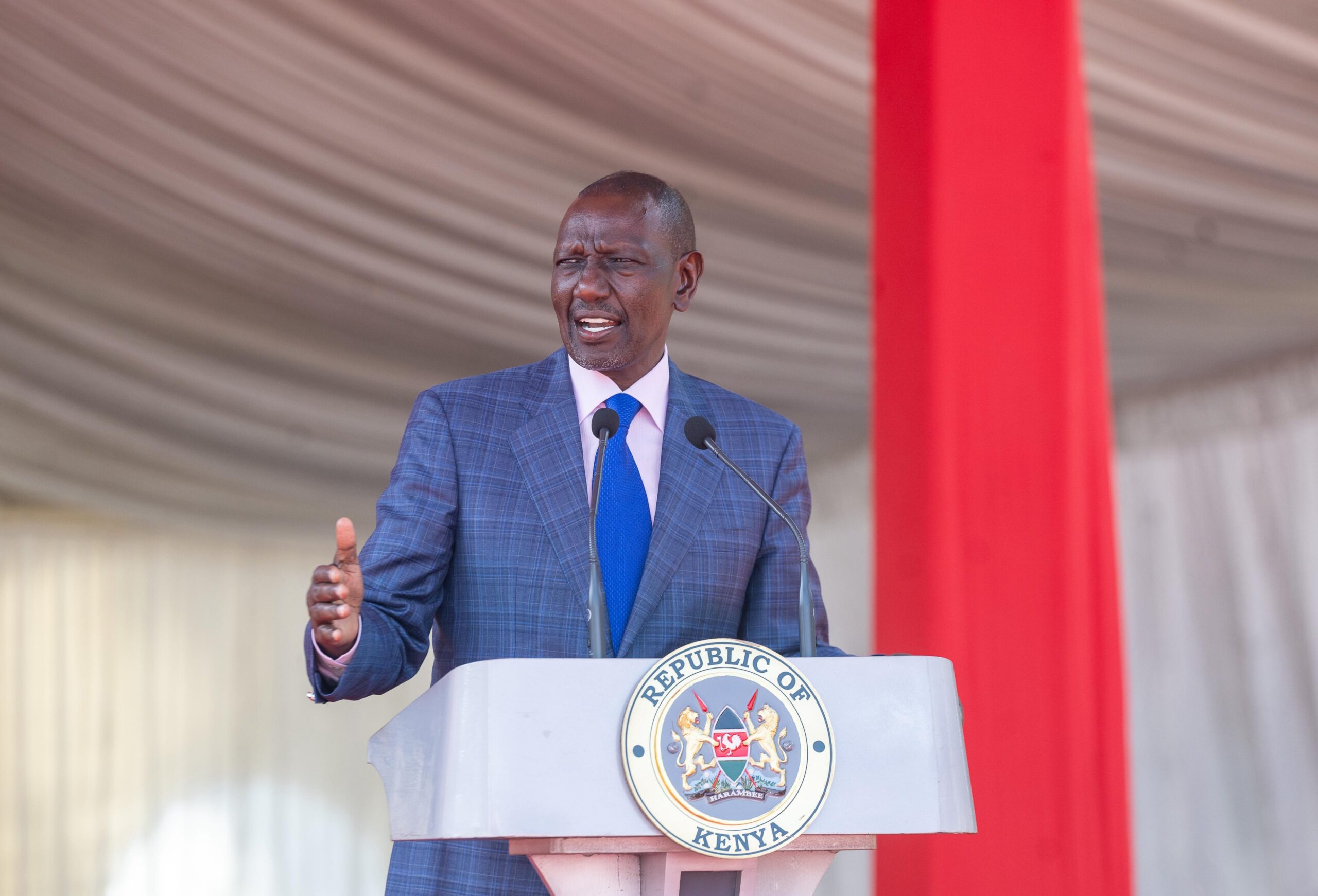
Kenya’s Revised MSMEs Policy 2026 places access to finance at the heart of the government’s latest effort to strengthen the country’s small business sector. Launched by President William Ruto during World MSME Day celebrations in Nairobi, the policy outlines a broader framework for expanding credit, improving financial inclusion and reducing barriers that have limited the growth of micro, small and medium enterprises.
The announcement comes as the government estimates that MSMEs contribute about 40 per cent of Kenya’s economy while facing a financing gap of roughly KSh3 trillion. Although commercial banks have extended about KSh1 trillion in credit to the sector over the past three years, the administration argues that far more capital is needed to support business expansion and employment.
What the Revised MSMEs Policy 2026 Changes
Rather than introducing a single financing programme, the revised MSMEs Policy 2026 brings together several reforms intended to make business finance more accessible across different stages of enterprise development.
President Ruto challenged commercial banks to expand lending to entrepreneurs, arguing that many viable businesses remain outside the formal financial system despite their contribution to the economy.


He also pointed to government initiatives such as the Hustler Fund and reforms to the Credit Reference Bureau framework as part of a wider effort to rebuild credit access for millions of Kenyans.
According to the President, more than eight million people have been removed from Credit Reference Bureau (CRB) lists of negative credit listings, with about two million rebuilding their credit histories.

How the Revised Policy Aims to Expand Business Finance
A central theme of the policy is the role of commercial banks.
The government wants lenders to develop financing models that extend beyond traditional collateral requirements and serve businesses that have historically struggled to obtain credit.
President Ruto also cited Bangladesh’s Grameen Bank, founded by Nobel Peace Prize laureate Muhammad Yunus, as an example of how unsecured lending can support entrepreneurship while maintaining sustainable lending practices.
The message reflects the government’s view that expanding access to finance will require stronger participation from the banking sector alongside public programmes.
National Credit Score Supports the Revised MSMEs Policy
Another notable feature of the policy is the proposed National Credit Score.
The government intends to build a system that places greater weight on repayment behaviour and financial history when assessing borrowers, complementing conventional security such as land titles and vehicle logbooks.
If implemented as outlined, the approach could broaden financing options for entrepreneurs with strong repayment records but limited assets.
Development Finance Institutions Back the Revised Policy
The policy direction is also reflected in proposals discussed during the Kenya Development Corporation Customer Networking Forum.
Principal Secretary Susan Mang’eni said expanding affordable finance remains one of the government’s priorities and called for greater support for Development Finance Institutions to meet demand from small businesses.
She said financing products should be tailored to businesses at different stages of growth, while mature firms should gradually transition from concessional development finance to commercial bank lending. That would free up capital for younger enterprises seeking affordable financing.
Kenya Development Corporation has also begun reviewing its collateral valuation model, replacing forced-sale valuations with market value assessments. The change could allow borrowers to unlock more value from their assets when applying for financing.
What the Policy Means for Entrepreneurs
The Revised MSMEs Policy 2026 outlines an approach that combines public funding, commercial lending and development finance rather than relying on a single source of capital.
For entrepreneurs, its success will depend less on policy announcements than on how quickly banks, development finance institutions and government agencies translate those commitments into financing products that are accessible, affordable and responsive to the realities facing Kenya’s small businesses.
The coming months are likely to show how the revised policy is implemented, particularly through lending reforms, credit assessment changes and closer coordination between public institutions and the private financial sector.
Go to TECHTRENDSKE.co.ke for more tech and business news from the African continent and across the world.
Follow us on WhatsApp, Telegram, Twitter, and Facebook, or subscribe to our weekly newsletter to ensure you don’t miss out on any future updates. Send tips to editorial@techtrendsmedia.co.ke


