TRIFIC I-REIT Oversubscribed as Investors Put More Money Into Offer Than Targeted
The dollar-denominated property fund closed above its fundraising goal, giving Kenya's REIT market one of its strongest recent tests before trading begins on the NSE.

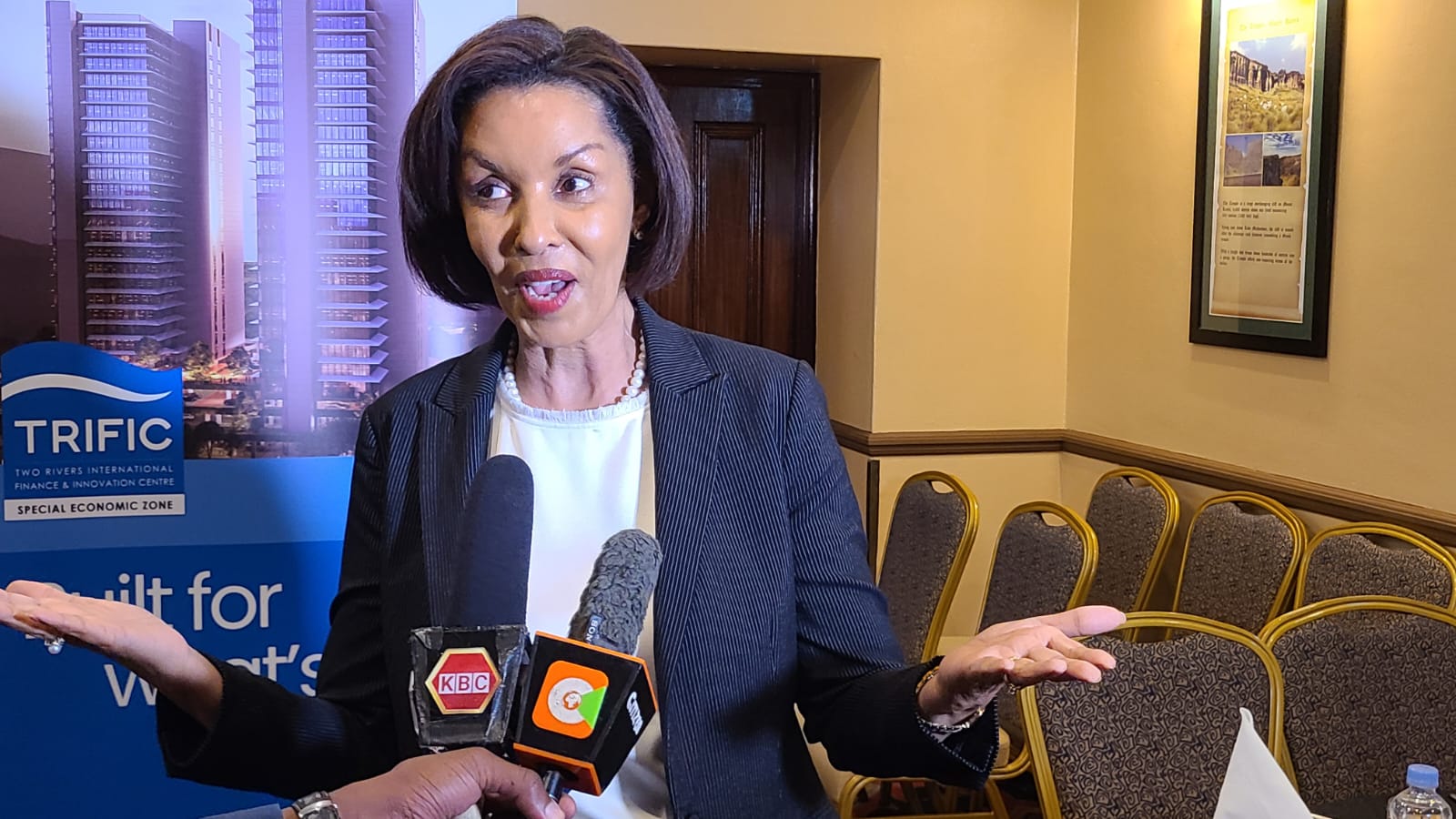
The TRIFIC Green USD I-REIT has attracted more investor demand than its fundraising target, providing one of the clearest indications yet that investors are willing to back dollar-denominated property vehicles in Kenya.
The offer, which closed on June 12, sought to raise $29.83 million through a public subscription. Applications reached about $30.82 million, leaving the issue 103.3 percent subscribed. After including the sponsor’s contribution of the North Tower asset, the investment vehicle reaches a total value of nearly $37.3 million, equivalent to roughly Sh5 billion.
The result gives the Two Rivers International Finance and Innovation Centre-backed fund an important milestone before its planned debut on the Nairobi Securities Exchange.
Investor Demand Exceeds Fundraising Target
The oversubscription arrives at a time when Kenya’s listed REIT market remains relatively small and has struggled to attract sustained investor participation.


TRIFIC’s offer was built around the North Tower, a fully occupied office building located within the Two Rivers special economic zone in Nairobi. The property hosts companies operating in outsourcing, technology, financial services and shared-services activities, many of which earn revenue from international markets.
That structure allows rental income to be collected in U.S. dollars, creating an investment proposition tied to foreign-currency cash flows rather than traditional shilling-based commercial leases.

For investors, the attraction extended beyond the building itself. The REIT was marketed around a target net yield of 8 percent annually in U.S. dollars, with distributions expected twice a year.
How Allocations Were Split Between Large and Smaller Buyers
The allocation process offers a glimpse into how demand was distributed across different investor categories.
Applications of up to $1 million were allotted in full, while larger requests were scaled back proportionately to fit within the available units.
The approach meant retail investors, chamas, diaspora investors and smaller institutions were largely able to secure the allocations they requested. Reductions were concentrated among larger applicants whose orders exceeded the available capacity.
That outcome aligns with one of the themes repeatedly highlighted during the fundraising period: widening access to commercial property investments that have traditionally been dominated by institutional investors and wealthy individuals.
The REIT Now Moves From Fundraising to Public Trading
With the offer complete, attention now shifts to the secondary market.
Investors are expected to receive units through their CDS accounts before the security begins trading on the Nairobi Securities Exchange. Once listed, existing holders will be able to buy or sell units through the market, while investors who missed the public offer will gain access through licensed brokers.
The transition introduces a different phase for the vehicle. During fundraising, investors evaluated the asset, management structure and projected returns. After listing, attention typically moves to pricing, liquidity and trading activity.
The REIT’s management structure includes Nabo Capital as manager, NCBA Bank as trustee and Broll as property manager, supported by a wider advisory team that includes KCB Investment Bank and AIB AXYS.
What Investors Will Be Watching After Listing
The next stage of the story will depend less on subscriptions and more on operational performance.
Investors are likely to focus on whether actual distributions track close to the targeted 8 percent annual yield, how occupancy levels evolve within the North Tower and whether tenant quality remains strong.
Liquidity will also be closely watched. Previous REIT listings in Kenya have faced challenges related to trading activity after listing, making market participation an important measure of success.
TRIFIC has also put in place support mechanisms intended to smooth the early years of the REIT, including rental support arrangements and a market-making structure designed to encourage trading activity once units begin changing hands on the exchange.
A Broader Test for Kenya’s Capital Markets
Beyond the subscription figures, the transaction offers an early indication of how investors view income-producing assets linked to Kenya’s services economy.
The North Tower’s tenant base is heavily concentrated in outsourcing, advisory, fintech and shared-services businesses, sectors that have become increasingly important to Nairobi’s ambitions as a regional services hub.
The strong response suggests investors are prepared to consider property vehicles backed by export-oriented business activity when the underlying asset, governance structure and income profile align.
The more significant verdict, however, will come after trading begins.
The fundraising phase measured investor interest. The months ahead will reveal how the market values the REIT once pricing, liquidity and distributions are tested in public.
Go to TECHTRENDSKE.co.ke for more tech and business news from the African continent and across the world.
Follow us on WhatsApp, Telegram, Twitter, and Facebook, or subscribe to our weekly newsletter to ensure you don’t miss out on any future updates. Send tips to editorial@techtrendsmedia.co.ke