Kenya Added Nearly 200,000 Home Internet Connections in Three Months
Streaming, remote work and connected devices are creating new demands on household networks

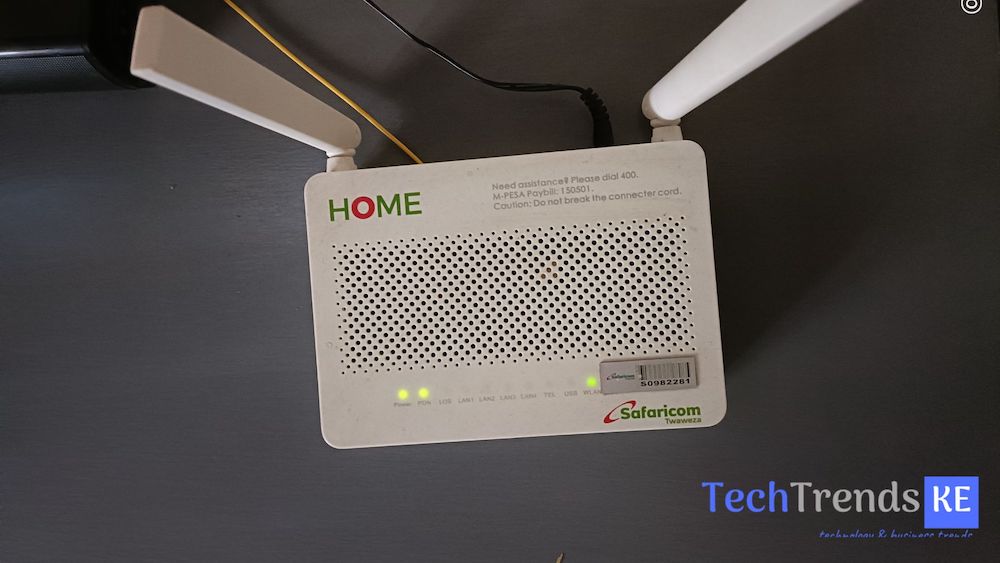
A growing share of Kenya’s internet traffic is being carried through fixed connections.
The latest Communications Authority sector statistics show fixed internet subscriptions reached 2.66 million during the third quarter of the 2025/26 financial year. The market added nearly 196,000 subscriptions in three months, a 7.9 percent increase from the previous quarter.
The number sits far below mobile subscriptions. It still matters.
For years, discussions about connectivity in Kenya largely revolved around airtime purchases, data bundles and smartphone penetration. The latest figures point toward another layer of internet access gaining weight inside the market.

Bandwidth tells part of the story.
Available international internet capacity expanded by 16.4 percent during the quarter. Utilised international bandwidth also increased, reaching 17.8 Tbps. Networks are carrying more traffic than they were a year ago, and households are becoming a larger part of that equation.

Fixed internet rarely generates the attention attached to mobile subscriber numbers. The service operates in the background. Once installed, it becomes infrastructure.
That distinction affects behaviour.
A household connected throughout the day approaches internet usage differently from one managing consumption through prepaid bundles. Streaming platforms remain connected. Software updates download automatically. Security cameras transmit continuously. Video meetings can run for hours without the same concern about data depletion.
The Communications Authority report arrives as broadband consumption continues rising across the wider market. Mobile broadband subscriptions climbed to 52.9 million. Average monthly broadband consumption reached 15.1GB per subscriber. Among 5G users, monthly usage stood at 53.5GB.
The appetite for data is increasing across multiple access channels.
Some of the strongest growth in fixed internet over the past decade came from businesses. That customer base remains important. The current subscription numbers suggest residential demand is accounting for a larger portion of market expansion.
Internet providers have spent years extending fibre networks into estates, apartment developments and mixed-use neighbourhoods. The resulting customer base is becoming large enough to influence how connectivity is discussed.
The language of internet access changes when fixed broadband reaches scale.
The conversation moves away from occasional connectivity and toward continuous connectivity. Questions about whether someone can get online become questions about what they can reliably do once connected.
Kenya’s fixed internet market remains smaller than its mobile market by a wide margin. The latest quarter nonetheless produced one of the clearer indications that broadband inside homes is becoming a routine service for a growing number of households.
Nearly 196,000 additional connections were activated in three months.
That figure says something about infrastructure investment. It also says something about demand. People do not pay a recurring monthly bill for a service they use sparingly.
The country’s internet economy has long been associated with the handset in a person’s pocket. Increasingly, part of that economy is being built around a connection waiting at home before anyone unlocks a screen.
Go to TECHTRENDSKE.co.ke for more tech and business news from the African continent and across the world.
Follow us on WhatsApp, Telegram, Twitter, and Facebook, or subscribe to our weekly newsletter to ensure you don’t miss out on any future updates. Send tips to editorial@techtrendsmedia.co.ke