
Rology's Suspension Brings Kenya's Health-Tech Oversight Into Focus
Behind the legal arguments sat a broader debate about who is accountable when healthcare moves onto digital platforms

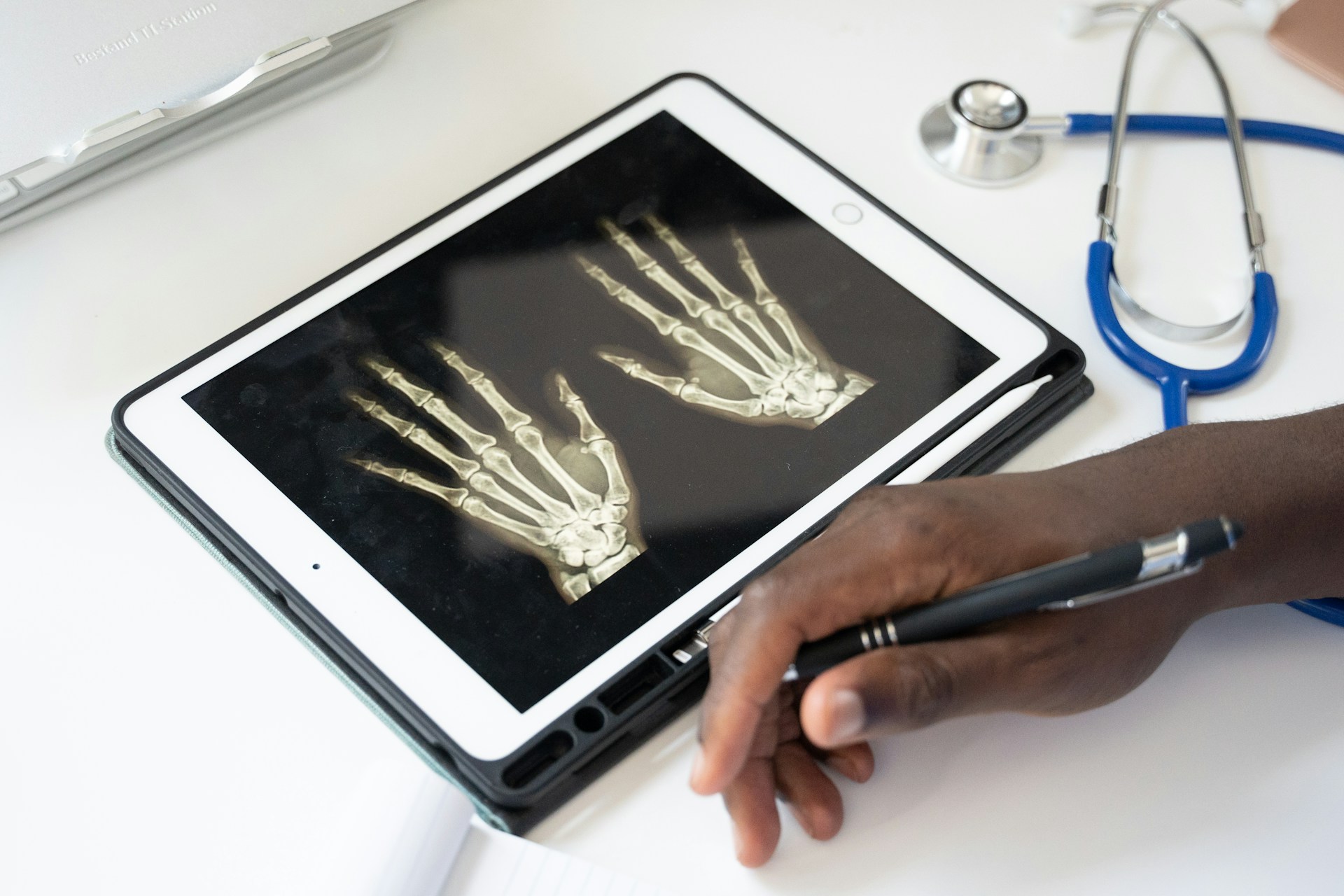
The High Court’s decision to halt the operations of Rology Medical Kenya has become an early test of how Kenya intends to regulate digital healthcare. In ordering the company to cease operations until it complies with medical licensing, data protection and digital health requirements, the court placed questions of oversight, patient rights and accountability at the centre of a sector that has grown rapidly in recent years.
The ruling, delivered by Justice Patricia Nyaundi Mande, stems from a petition filed by officials of the Kenya Association of Radiologists (KAR), who challenged the legality of the company’s AI-assisted teleradiology services and its handling of patient medical data.
Beyond the immediate dispute, the judgment offers an early indication of how Kenyan courts may approach artificial intelligence, telemedicine and cross-border healthcare services. The court signalled that it can intervene where emerging digital health systems pose potential risks to privacy, patient safety or constitutional rights, even before evidence of actual harm is presented.
Rology has since indicated that it intends to challenge the decision. In a statement issued after the judgment, the company said it had filed an urgent application seeking conservatory orders, a stay pending appeal and orders blocking implementation of the judgment while the dispute proceeds through the courts. The application has been certified urgent by the High Court, with further directions scheduled for June 24. The company maintains that important facts relating to its operating model, licensing arrangements, clinical governance systems, data protection safeguards and patient-safety procedures were not fully presented before the court.


A Dispute With Wider Implications
The court found that questions surrounding licensing, patient data management and regulatory oversight had not been adequately addressed despite the scale of the company’s operations.
According to court records, Rology Medical Kenya said it had served more than 60,000 patients and supported over 40 public health facilities through a platform that connects hospitals with radiologists located around the world. Reports generated through the platform were subsequently reviewed and validated by licensed Kenyan practitioners.

The company argued that its model helps address a shortage of radiologists, lowers healthcare costs and expands access to specialist services, particularly in underserved regions.
The petitioners argued that the platform was operating without sufficient regulatory approvals and that its handling and transfer of sensitive patient information exposed patients to privacy risks.
The court concluded that the absence of clear oversight mechanisms raised concerns about healthcare quality, consumer protection and patient rights.
A Test for Digital Healthcare
The case has become an early legal test for how Kenya intends to regulate technology-driven healthcare services.
Digital health platforms have attracted increasing investment as hospitals and healthcare providers adopt telemedicine, remote diagnostics and electronic patient management systems. These innovations promise wider access to medical expertise, especially in areas where specialist healthcare professionals remain scarce.
Radiology is one of the medical fields where workforce shortages can significantly affect patient care. Teleradiology platforms seek to bridge that gap by enabling scans to be reviewed remotely by specialists who may be located in different cities or countries.
The model has gained global acceptance as healthcare systems seek to improve efficiency and speed up diagnosis. The court’s ruling does not challenge the underlying concept of remote radiology services. Instead, it focuses on whether such services can operate without meeting existing legal and professional requirements.
Importantly, Rology disputed claims that artificial intelligence generated diagnoses. The company told the court that its platform primarily matches medical images uploaded by hospitals with qualified radiologists worldwide, with Kenyan radiologists reviewing and validating reports before formal issuance.
In a statement issued after the ruling, Rology said its model was designed to help healthcare facilities address radiologist shortages, reduce reporting backlogs and improve turnaround times for patients. The company argued that technology-enabled workflows can support overstretched hospitals and expand access to specialist expertise, particularly in underserved communities.
The Constitutional Questions
A notable aspect of the judgment is its constitutional framing.
The court found that the questions raised by the petition extended beyond administrative disputes that could be resolved by sector regulators. In its reasoning, the court said the issues touched fundamental constitutional protections relating to privacy, consumer rights and access to healthcare.
The ruling also rejected arguments that the dispute should first have been handled exclusively by bodies such as the Office of the Data Protection Commissioner. Instead, the court held that the constitutional dimensions of the case justified direct judicial intervention.
This may prove one of the most significant aspects of the judgment. It suggests courts are willing to play an active role in defining the legal boundaries of emerging healthcare technologies rather than waiting for regulators to establish detailed frameworks.
The Data Privacy Challenge
Healthcare records contain some of the most sensitive categories of personal information, creating heightened obligations for organisations that collect, process and store such data.
The petitioners alleged that radiological images and patient histories were transferred outside Kenya without informed consent and without adequate disclosure regarding the identities and qualifications of professionals involved in generating reports. Those allegations placed questions of transparency, accountability and cross-border data governance at the centre of the dispute.
The court’s concerns extended beyond licensing to questions surrounding the administration and processing of medical records on digital platforms. These concerns become more significant when healthcare data may be accessed, reviewed or transferred across multiple jurisdictions.
As digital healthcare expands, regulators worldwide are increasingly focused on issues such as data ownership, patient consent, cybersecurity and accountability for cross-border data transfers.
The judgment suggests that Kenyan courts expect technology companies operating in healthcare to demonstrate clear compliance with these obligations before offering services to patients.
A Warning for Health-Tech Firms
The decision is likely to influence the broader health-tech ecosystem.
Companies operating in telemedicine, AI diagnostics and digital patient management may face greater scrutiny regarding licensing, governance and data protection procedures. Investors and healthcare providers are also likely to pay closer attention to regulatory compliance when evaluating partnerships and business models.
The ruling may encourage startups to strengthen legal and compliance frameworks earlier in their development, particularly where patient information and clinical services are involved.
At the same time, the judgment provides a clearer indication of the standards that courts expect digital healthcare providers to meet.
Regulators Under Scrutiny
A striking feature of the decision is that it directs scrutiny toward regulators as well as the company itself.
The court found that the Kenya Medical Practitioners and Dentists Council (KMPDC) had failed to adequately supervise a company providing radiology-related services to a large patient population.
Rology disputes suggestions that it has operated outside existing regulatory requirements. The company says it is licensed by the Office of the Data Protection Commissioner as both a data controller and data processor and maintains that it complies with the regulatory framework established under the Kenya Medical Practitioners and Dentists Act.
Justice Mande emphasised that registration requirements are intended to protect the public by ensuring professional competence, accountability and adherence to established standards. The court further held that KMPDC could not rely on delays in implementing digital health regulations to avoid its regulatory responsibilities.
The judgment arrives amid continuing uncertainty around Kenya’s digital health framework. Although parts of the Digital Health Act were challenged in court, an earlier ruling against the law was suspended by the Court of Appeal, meaning the legislation remains in force pending the outcome of the appeal process.
That context helps explain the regulatory complexity surrounding digital healthcare, but the court made clear that uncertainty does not remove existing legal obligations.
Rology Seeks to Overturn the Decision
The legal dispute is unlikely to end with the High Court judgment. Rology has already moved to challenge the ruling, arguing that important facts concerning its operating model, licensing arrangements, clinical governance and patient-safety processes were not adequately presented during the proceedings.
The company has filed an urgent application seeking conservatory orders, a stay pending appeal and orders preventing implementation of the judgment while the case continues. The application has been certified urgent, with the matter scheduled for further directions on June 24.
Rology says it remains committed to working with healthcare providers, regulators and clinicians as the dispute progresses through the courts.
What Comes Next for Digital Health
For investors, the ruling reinforces the importance of regulatory readiness alongside technological innovation.
Healthcare providers increasingly view digital platforms as essential tools for improving access and efficiency. However, the case demonstrates that market adoption alone will not shield companies from regulatory scrutiny.
Hospitals, technology firms and investors may now place greater emphasis on licensing status, data governance systems and regulatory approvals when evaluating digital health ventures.
The outcome could ultimately create a more structured environment for investment by reducing uncertainty around compliance expectations.
The High Court’s decision arrives as Kenya increasingly turns to digital health technologies to address shortages of specialist medical personnel, particularly outside major urban centres. The dispute therefore extends beyond one company and into broader questions about access, oversight and accountability in technology-enabled healthcare.
The judgment does not prohibit artificial intelligence, telemedicine or remote diagnostics. Instead, it establishes that innovation must operate within existing legal safeguards designed to protect patients and maintain professional accountability.
More significantly, it signals that courts may be prepared to intervene before harm occurs where digital health systems create credible risks to privacy, safety or constitutional rights. That principle could shape how Kenya approaches AI-enabled healthcare, cross-border medical services and patient data governance for years to come.
Go to TECHTRENDSKE.co.ke for more tech and business news from the African continent and across the world.
Follow us on WhatsApp, Telegram, Twitter, and Facebook, or subscribe to our weekly newsletter to ensure you don’t miss out on any future updates. Send tips to editorial@techtrendsmedia.co.ke


