
I&M Is Growing Its Regional Business While Rivals Stay Kenya-Focused
As Kenyan lenders chase new revenue streams, I&M is putting more weight behind wealth and insurance products

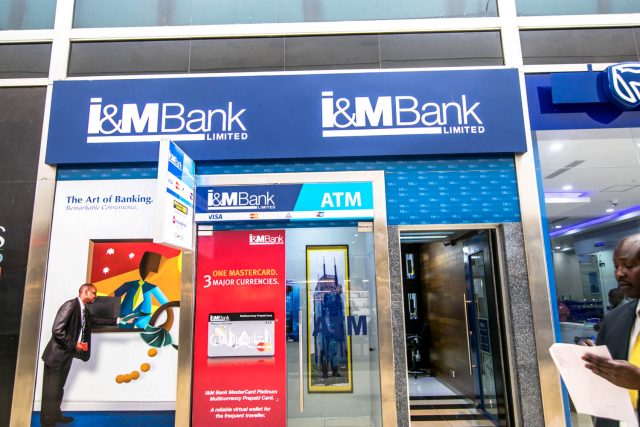
I&M Group PLC opened 2026 with stronger earnings, but the sharper story inside its first-quarter numbers sits outside conventional lending. The Nairobi-listed financial group is widening its dependence on insurance, wealth products and regional subsidiaries at a time when banks across East Africa are searching for new revenue depth beyond interest income.
The group reported KES 5 billion in profit after tax for the three months ended March, up 19% from the same period last year. Revenue rose to KES 16.1 billion, while customer deposits crossed KES 512 billion.
Much of the immediate attention around the results centered on profitability and balance sheet expansion. The more revealing pattern appeared in how the business generated that growth.
Wealth management revenue more than tripled during the quarter, while insurance-related income expanded alongside a sharp rise in underwritten premiums. The figures point to a broader industry movement in which banks are trying to retain customers across multiple financial products rather than relying primarily on loan issuance.


That approach is becoming increasingly important in regional banking markets where credit growth alone no longer guarantees sustained earnings momentum. Rising operating costs, tighter regulation and persistent credit risk pressure are forcing lenders to search for more stable fee-based income streams.
At I&M Bank Kenya, the retail segment contributed significantly to loan expansion during the quarter. The bank also increased its holdings in government securities as it continued growing its balance sheet.

At the same time, the lender accelerated branch rollout under its “Mahali Uko, Tuko” campaign, adding 12 outlets over the past year. That expansion stands out in a banking sector that has spent several years emphasizing mobile channels, agency banking and digital migration.
The strategy reflects continued competition for SME customers and middle-income retail clients who still rely heavily on branch-based onboarding, relationship management and advisory services. Physical presence remains commercially relevant in several East African markets, particularly for banks pursuing deposit mobilization and cross-selling opportunities.
The regional business also contributed a larger share of earnings than many domestic-focused rivals. Subsidiaries outside Kenya generated nearly one-third of group profit before tax during the quarter.
Uganda recorded the fastest growth within the network, with profit before tax rising 169%. Tanzania posted 45% growth, while Rwanda continued expanding on the back of stronger economic activity. The diversification effect is becoming more material for Kenyan lenders attempting to reduce dependence on a single market cycle.
The results also revealed a more cautious posture beneath the expansion drive.
Although gross non-performing loans declined, the group increased provisions substantially during the quarter. Banks across the region have been strengthening buffers against possible stress linked to currency volatility, business defaults and uneven recovery conditions in some sectors of the economy.
Another notable development came through sustainable finance.
Swedish International Development Cooperation Agency partnered with the bank on a USD 30 million green financing initiative targeting climate-linked projects in Kenya. Development finance institutions and international agencies are increasingly channeling climate and transition capital through commercial lenders with established SME and corporate networks.
That trend is gradually reshaping how banks position themselves in the region. Environmental financing, advisory services, insurance distribution and investment products are becoming larger components of institutional growth plans.
For I&M, the quarter’s results suggest a bank attempting to widen the economic role it plays within its customer base while reducing dependence on conventional lending margins alone. The transition is unfolding as East African banking groups face a slower and more expensive operating environment than the rapid expansion cycle that defined much of the previous decade.
Go to TECHTRENDSKE.co.ke for more tech and business news from the African continent and across the world.
Follow us on WhatsApp, Telegram, Twitter, and Facebook, or subscribe to our weekly newsletter to ensure you don’t miss out on any future updates. Send tips to editorial@techtrendsmedia.co.ke


