

NCBA’s Pending Sale to Nedbank Has Put Earlier Trades Under Fresh Scrutiny
The structure of Nedbank’s proposed NCBA takeover is bringing renewed attention to pre-offer share purchases

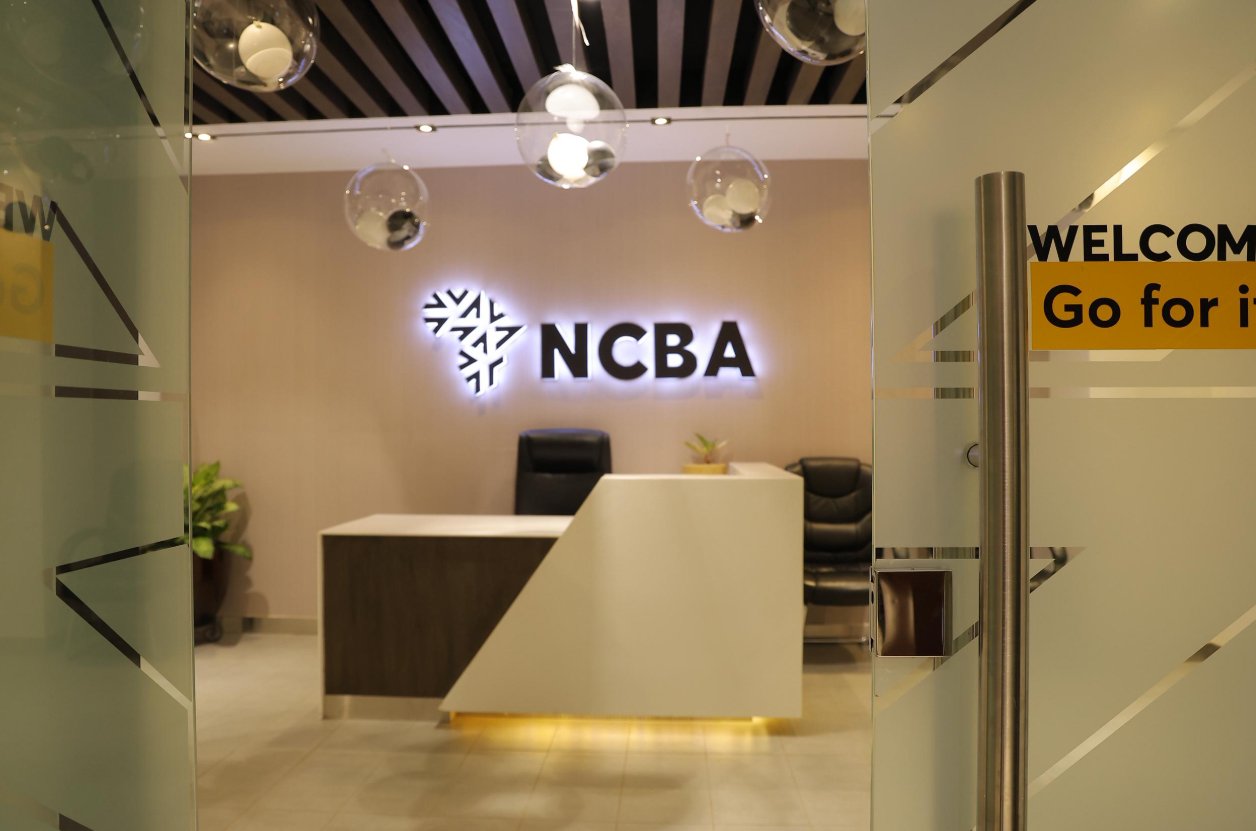
The proposed acquisition of NCBA Group by Nedbank Group has opened a broader debate inside Kenya’s capital markets over how major investors position themselves during takeover negotiations.
Attention has turned to a set of transactions completed in the weeks leading up to the public announcement of the deal. Regulatory disclosures linked to the offer show that investors associated with shareholders backing the acquisition increased their holdings in NCBA shortly before Nedbank disclosed terms for the transaction.
The additional purchases totalled 449,509 shares.
Those acquisitions were made between early December 2025 and January 2026 at an average cost of Sh86.45 per share. Weeks later, Nedbank presented an offer valuing NCBA stock at as much as Sh105 depending on the settlement option selected by shareholders.


The pricing gap created an immediate uplift for investors who accumulated shares before the bid became public.
Under the transaction structure, NCBA shareholders may exchange part of their holdings for equity in Nedbank while also receiving a cash component. Investors choosing a cash-only route are set to receive the higher payout level attached to the offer.
The arrangement reflects a deal designed around partial continuity rather than a complete exit by existing owners.
Nedbank is seeking control of 66 percent of the Nairobi-listed bank through a combination of share exchange and cash compensation. A large portion of the tendered shares will convert into Nedbank stock using a predetermined ratio linked to the South African lender’s valuation on the Johannesburg Stock Exchange.
That framework gave large shareholders an opportunity to secure exposure to both the acquisition premium and future ownership in the acquiring institution.
Offer documents filed in connection with the transaction state that some investors who bought the additional shares had already committed to support the acquisition through irrevocable undertakings. The same filings show the purchases stopped shortly before the formal offer was announced on January 21.
That overlap between trading activity and deal negotiations is likely to remain central to discussion around the transaction.
In mergers and acquisitions, regulators generally examine whether trading took place while investors possessed information unavailable to the broader market. The legal threshold usually depends on whether the information was material, sufficiently specific and capable of influencing investor decisions.
The disclosures published so far do not accuse any party of wrongdoing. At the same time, the sequence of events has renewed familiar concerns about informational imbalance during high-value corporate transactions.
The shares were largely acquired through nominee structures associated with Kestrel Capital as well as D&M Management Services LLP. Such arrangements are common in institutional trading and are regularly used to manage custody, execution and settlement for large investors.
Still, takeover situations often place extra attention on nominee activity because public markets typically learn about negotiations long after discussions between advisers, acquirers and influential shareholders have already begun.
The proposed deal also reflects a wider trend in African banking.
Regional lenders have increasingly pursued cross-border acquisitions as growth slows in mature domestic markets and competition intensifies around digital finance, payments and corporate banking. Kenya remains one of the continent’s most strategically important banking markets because of its financial infrastructure and role in East African commerce.
For Nedbank, the transaction offers a larger footprint in that ecosystem. For NCBA shareholders, the structure provides a route to monetise part of their investment while retaining exposure to the sector through continued equity participation.
Whether the pre-offer share purchases attract regulatory follow-up may depend on details that are not yet public, including when negotiations reached an advanced stage and which parties had visibility into the evolving terms of the acquisition.
Go to TECHTRENDSKE.co.ke for more tech and business news from the African continent and across the world.
Follow us on WhatsApp, Telegram, Twitter, and Facebook, or subscribe to our weekly newsletter to ensure you don’t miss out on any future updates. Send tips to editorial@techtrendsmedia.co.ke


