Google Expands Android 17 With Creator Tools and Smarter AI Features
Google is embedding Gemini deeper into Android while improving Instagram uploads, device security and iPhone compatibility.

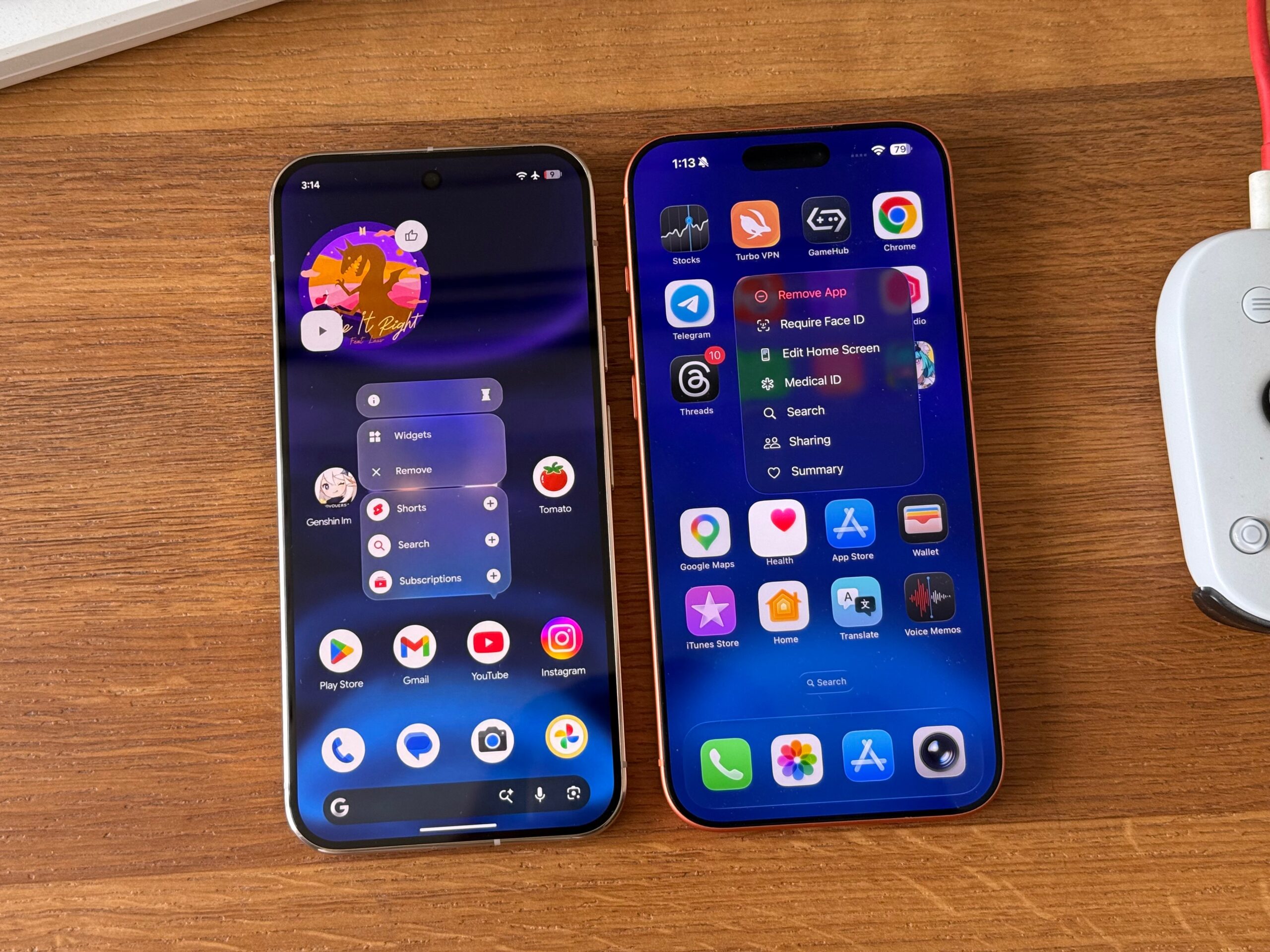
Google is widening the role of artificial intelligence across Android devices with new automation, creator and security tools in Android 17, while also pushing deeper into laptops through a new Googlebook platform. The announcements place the company in more direct competition with Apple ahead of expected iPhone and Siri AI upgrades later this year.
Android 17 introduces broader integration between Google’s Gemini assistant and core device functions, extending AI beyond standalone chatbot interactions into browser activity, app workflows and operating-system controls. Google is grouping several of the new capabilities under a premium feature layer called “Gemini Intelligence,” which will initially roll out to newer Pixel and Samsung Galaxy devices.
Among the additions are expanded task automation tools that allow Gemini to complete actions across a wider range of third-party applications. The system is also gaining multimodal support, enabling users to combine screenshots, images and text prompts when requesting tasks.
Google previewed examples where Gemini could identify information from saved images, create shopping lists, organize travel plans and complete actions inside connected applications. The company is also integrating Gemini directly into Chrome on Android, allowing users to ask questions about webpages and automate certain browsing tasks inside the browser.


Another feature, Create My Widget, uses AI-generated layouts to build custom widgets from natural-language prompts. Google said the tools are part of a broader effort to make Android interfaces more adaptive to individual workflows and usage patterns.
The company is simultaneously targeting creators and social media users, areas where Android devices have historically faced criticism despite strong camera hardware. Google said Android 17 introduces Ultra HDR support for media shared to Instagram, alongside built-in stabilization and night-mode integration inside the app.
Google also said it has rebuilt parts of Android’s media processing pipeline to preserve photo and video quality during uploads to social platforms. Meta is preparing an Android tablet version of Instagram as part of the broader collaboration.
Additional creator tools are arriving through software partnerships. Google confirmed that Adobe Premiere will launch on Android later this year, while AI-assisted editing features will add functions such as audio separation, automated enhancement and simplified reaction-video recording through a feature called Screen Reactions.
The Android update also includes several non-AI additions focused on device wellbeing and security. A new feature called Pause Point adds friction before opening selected apps by introducing countdown timers and alternative activity suggestions intended to reduce compulsive usage patterns.
Google is also expanding Android’s anti-scam and anti-theft protections. New security measures include behavioral malware detection, protections against fraudulent calls impersonating banks, stronger biometric locking controls for lost devices and stricter limits on failed password attempts.
At the same time, the company is increasing interoperability between Android and Apple ecosystems. Google said Quick Share compatibility with AirDrop-style transfers will expand across more Android manufacturers this year, with support also being added inside apps such as WhatsApp. QR-based cloud transfers for iPhone users are also being introduced.
Google and Apple are additionally working on broader migration and messaging compatibility. Updated transfer tools are expected to simplify moving passwords, contacts, messages and home screen layouts from iPhones to Android devices, while encrypted RCS messaging support between Android and iPhone users continues expanding.
The announcements extend beyond smartphones. Google introduced Googlebook as a higher-end alternative to traditional Chromebooks, combining Android and ChromeOS technologies into a more unified software environment centered on Gemini services and cross-device continuity.
Google said Googlebook devices will allow users to access applications from connected Android phones without separate downloads on the laptop itself. Hardware partners including Acer, Asus, Dell, HP and Lenovo are expected to release devices later this year.
The broader strategy reflects how technology companies are increasingly competing over AI-powered ecosystems rather than individual devices. Instead of limiting AI to search tools or assistants, companies are embedding automation, personalization and cross-device functions directly into operating systems and consumer workflows.
Apple is expected to present its next major AI and Siri upgrades during its upcoming developer conference.
Go to TECHTRENDSKE.co.ke for more tech and business news from the African continent and across the world.
Follow us on WhatsApp, Telegram, Twitter, and Facebook, or subscribe to our weekly newsletter to ensure you don’t miss out on any future updates. Send tips to editorial@techtrendsmedia.co.ke


