

African Governments Want More Control Over the Infrastructure Behind Digital Growth
African governments are starting to treat AI infrastructure and digital connectivity as part of long-term economic planning

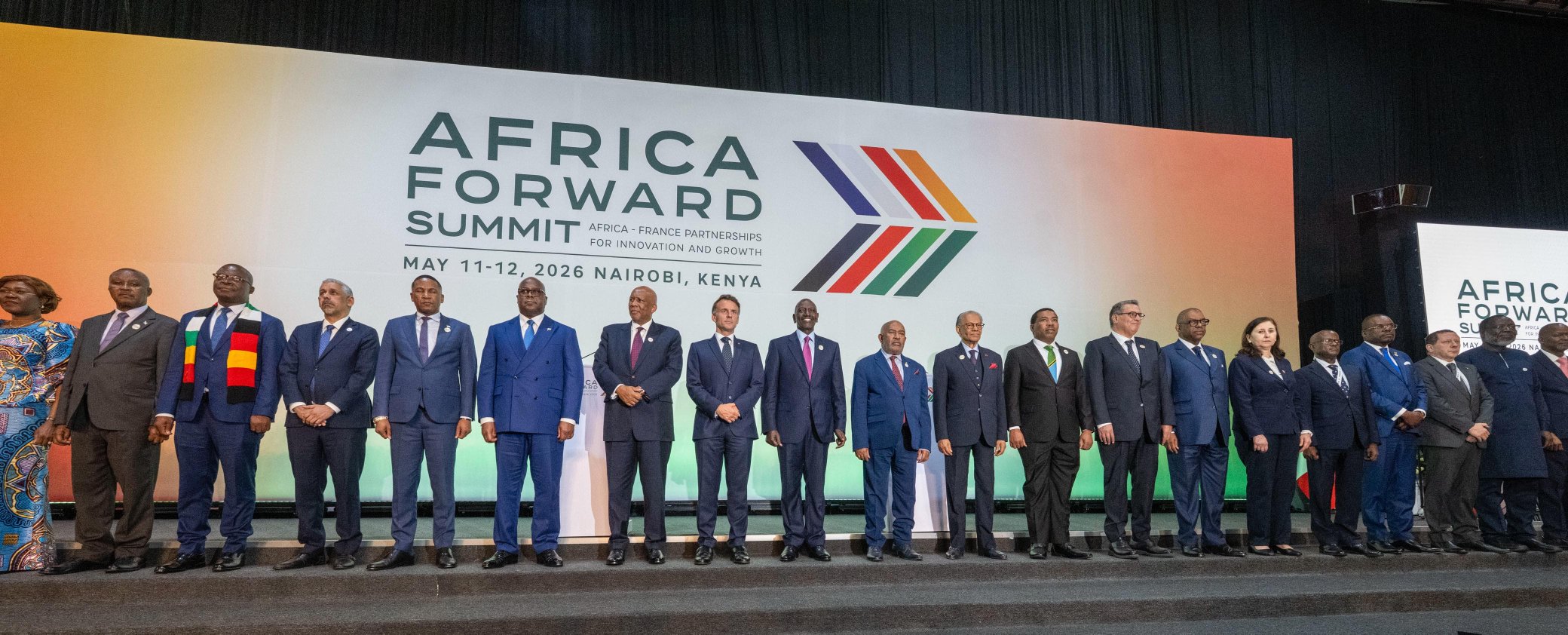
African governments are beginning to frame artificial intelligence, connectivity and digital infrastructure less as isolated technology sectors and more as part of a wider economic sovereignty agenda. At the Africa Forward Summit in Nairobi, leaders from across the continent linked AI capacity, transport systems, energy investment and private capital mobilisation into a single development strategy aimed at reducing dependence on external financing models.
The discussion marked a broader evolution in how African states are presenting their technology ambitions. Digital infrastructure is increasingly being treated as national infrastructure alongside ports, rail, aviation and energy systems, with governments seeking long-term domestic investment to finance those projects.
President William Ruto used the summit to position Kenya as an example of that approach, arguing that African economies must rely more heavily on domestic capital, private investment partnerships and regional industrial capacity to support future growth.
AI and Connectivity Move Into Core Economic Policy
For years, discussions around African technology growth largely focused on startup ecosystems, fintech adoption and mobile connectivity expansion. That conversation is now widening into infrastructure financing, data systems and industrial competitiveness.


At the summit co-hosted with Emmanuel Macron, African leaders repeatedly tied economic transformation to digital connectivity, logistics integration, energy access and AI-driven industries.
Ruto said African countries must invest in transport corridors, aviation systems, ports and digital connectivity capable of supporting intra-African trade under the African Continental Free Trade Area framework. He also argued that young Africans should be prepared not only for employment but for technology creation, industrial development and artificial intelligence innovation.
The language reflects a growing policy consensus across parts of the continent that digital systems are becoming strategic assets tied to economic independence and long-term competitiveness.
Infrastructure Capital Is Emerging as the Main Constraint
One of the clearest themes from the summit was financing.
African governments continue to face high borrowing costs in international markets, while large-scale infrastructure projects often depend on external lenders and multilateral institutions. Leaders at the summit argued that those financing structures limit long-term industrial and technology development.
Ruto said Africa holds more than $4 trillion in long-term domestic savings, including pension and insurance assets, which governments increasingly want to redirect toward infrastructure and productive investment.
Kenya’s recently established National Infrastructure Fund was presented as one mechanism for doing that. The government says the fund has already mobilised about $1 billion within months of launch through public-private investment structures and domestic capital participation.
While the fund is expected to finance transport, aviation and energy projects, the model also carries implications for digital infrastructure financing. Large-scale data centres, cloud facilities, fibre expansion and AI computing infrastructure require long investment timelines and stable financing structures similar to traditional infrastructure assets.
That creates a new overlap between state industrial policy and technology sector expansion.
Africa’s Tech Sovereignty Debate Is Expanding
The summit also highlighted a growing political concern around sovereignty in digital and financial systems.
African leaders argued that the current international financial architecture continues to disadvantage developing economies through higher capital costs and risk assessments that many governments consider detached from local economic conditions.
Part of the response has been the push for an African Credit Rating Agency intended to provide alternative assessments of African economies and investment environments.
Although the proposal is financial in nature, it also intersects with digital sovereignty debates already emerging across the continent. Governments are increasingly concerned about who finances infrastructure, who controls strategic data systems, where computing capacity is located and how much value African economies retain from digital growth.
These concerns are becoming more pronounced as AI infrastructure requirements expand globally.
Training and deploying advanced AI systems depends heavily on electricity capacity, fibre networks, cloud infrastructure and large-scale computing resources. Those systems require financing levels that many African startup ecosystems cannot support independently.
As a result, governments are beginning to position sovereign investment structures and public-private partnerships as tools for building long-term digital capacity.
Youth Demographics Are Being Reframed as Innovation Capital
Another noticeable shift in the summit discussions was how African demographics were described.
Political leaders increasingly framed Africa’s young population not as a labour challenge but as an innovation and industrial asset tied to technology development.
That framing aligns with broader efforts across African economies to expand startup ecosystems, digital training programmes and technical education linked to AI, software development and advanced manufacturing.
The challenge, however, remains structural.
Many African startup ecosystems continue to face limited access to growth capital, fragmented infrastructure and uneven internet reliability. Venture funding into African startups has also slowed from post-pandemic highs, increasing pressure on governments and institutional investors to support foundational infrastructure rather than rely solely on private venture markets.
This may explain why discussions around sovereign funds, pension-backed investment and public-private infrastructure financing are becoming more prominent in technology policy conversations.
France and Europe Are Repositioning Their Role
France used the summit to present its relationship with African economies as investment-led rather than aid-based.
Macron said France and Europe have a direct interest in Africa’s economic sovereignty and long-term industrial growth. He cited billions in investment tied to African private-sector activity and argued for partnerships based on mutual economic interests.
That language reflects increasing competition among global powers seeking influence in African infrastructure, energy and technology markets.
European governments, Gulf states, China and the United States are all expanding their presence in sectors tied to connectivity, logistics, cloud infrastructure, energy transition and AI capacity.
For African governments, the strategic challenge is becoming less about attracting investment alone and more about retaining ownership, bargaining power and long-term economic value within those partnerships.
Digital Infrastructure Is Becoming Statecraft
The broader significance of the summit may lie in how technology infrastructure is now being folded into national development strategy.
African leaders are no longer discussing digital transformation primarily as consumer internet growth or mobile adoption. Increasingly, the conversation centres on industrial systems, infrastructure ownership, financing mechanisms and sovereign economic positioning.
That changes the role technology plays in public policy.
Connectivity networks, AI infrastructure, logistics platforms, energy systems and data capacity are being treated as part of state economic architecture rather than standalone technology sectors.
Whether governments can finance those ambitions at scale remains uncertain. But the summit showed that digital infrastructure has moved closer to the centre of African economic planning.
Go to TECHTRENDSKE.co.ke for more tech and business news from the African continent and across the world.
Follow us on WhatsApp, Telegram, Twitter, and Facebook, or subscribe to our weekly newsletter to ensure you don’t miss out on any future updates. Send tips to editorial@techtrendsmedia.co.ke


