Nigeria’s 5G Expansion Draws on New 25Gbps Link Tested by MTN
The 25Gbps microwave link test adds a new layer to how MTN Nigeria is thinking about 5G backhaul capacity

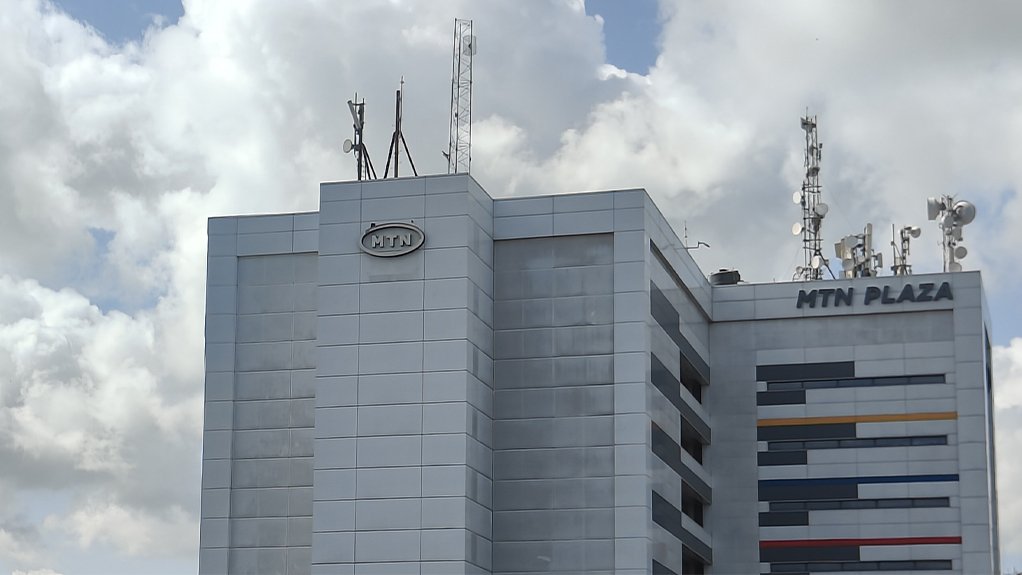
MTN Nigeria says it has completed a 25Gbps full duplex microwave link test in partnership with Huawei Nigeria, marking what it describes as the first commercial trial of its kind in Sub-Saharan Africa.
The test ran on the E-band spectrum around 80 GHz, using a 1000 MHz channel to deliver the 25Gbps capacity. The company positions the result as an alternative path for expanding high-speed connectivity, particularly where fibre deployment is constrained.
The system relies on full duplex radio technology, which allows simultaneous two-way data transmission over the same frequency pair. Conventional microwave links typically separate uplink and downlink across different channels or operate in half-duplex modes.
By enabling concurrent transmission in both directions, the setup increases spectral efficiency and reduces latency overhead associated with switching or coordination between channels.


According to MTN Nigeria, the test achieved a fourfold improvement in spectral efficiency compared to standard E-band configurations.
MTN says the tested configuration is part of a broader push to support 5G infrastructure, where backhaul capacity has become a limiting factor. High-throughput applications such as video streaming, augmented reality, and low-latency enterprise services are increasing pressure on transport networks behind base stations.

The company indicates that scaling the configuration to 2000 MHz spectrum could support up to 50Gbps per link, depending on deployment conditions and interference management.
Chief Technical Officer Yahaya Ibrahim described the trial as part of MTN’s ongoing network upgrades.
“We are proud to lead as the first operator within the MTN Group and across Sub-Saharan Africa to test this technology,” he said, adding that the company is focused on improving network quality and capacity.