
As the Treasury Falls Behind on Electricity Obligations Parliament Is Eyeing Consumers to Fill the Gap
Parliament wants to move a long-ignored electricity bill onto households as the Treasury falls further behind on its promises

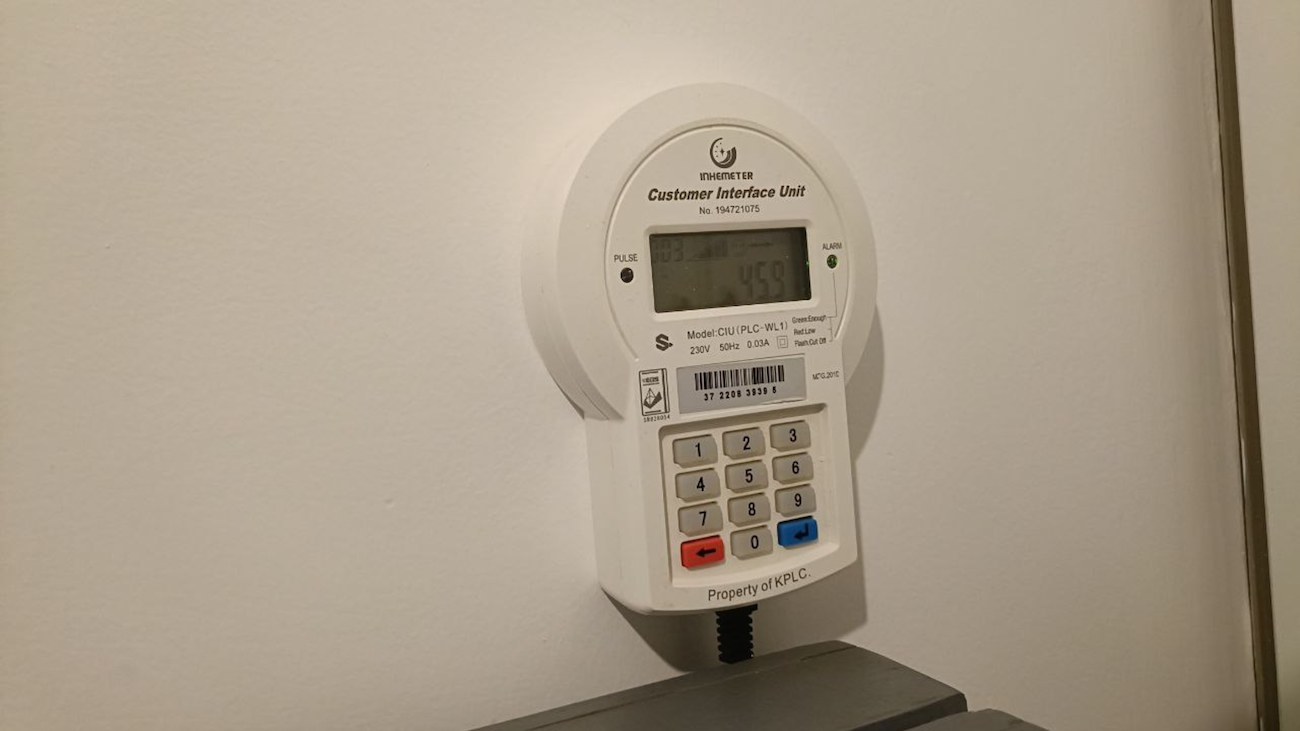
Kenya’s electricity debate has entered a difficult phase. A parliamentary plan would shift long-standing rural electrification expenses to households, placing a government obligation onto consumers who already face high monthly bills. The proposal arrives at a moment when the company and the state are struggling to settle the financial weight of decades of network expansion.

Why Rural Electrification Debt Is Reshaping Kenya Power Electricity Costs
The Rural Electrification Scheme has operated on a clear structure since the early 1970s. Kenya Power builds and maintains the network in areas where consumption is low, and the Treasury reimburses the cost. That reimbursement has lagged for years. By June 2024 the unpaid amount had climbed to nearly thirty billion shillings, and further rural connections are expected to push the figure higher. Rural homes spend a small share of the national monthly average, which leaves the company with limited room to recover capital on its own.
Parliament’s Proposal That Could Push Kenya Power Electricity Costs Higher
The National Assembly Committee on Energy now wants the regulator to absorb the rural funding gap into the base tariff. Such a move would raise the price of every unit used and turn an unsettled state obligation into a monthly charge for all customers. The committee links this requirement to the potential reopening of new power purchase agreements. Kenya Power sees the mechanism as a way to stabilise its balance sheet, but the wider economic implications remain a point of contention.
Regulatory Concerns Around Loading Rural Debt Into Kenya Power Electricity Costs
EPRA has urged caution. The regulator argues that any measure that transfers responsibility from the Treasury to households requires a firm legal basis. Its leadership has asked for advice from the Attorney General before responding to Parliament’s directive. The regulator notes that if a state agency assigns work to Kenya Power with a promise to reimburse the company, then placing the cost on consumers raises concerns about fairness.

Rising Use of Thermal Power and Its Role in Kenya Power Electricity Costs
Electricity prices have already edged up over the past year. Thermal plants have supplied a growing share of the national mix, which has pushed bills slightly higher even without additional surcharges. A household that used 200 kilowatt-hours last month paid more than it did a year earlier. Since the base tariff forms the bulk of the monthly bill, any new pass-through cost embedded within it would be felt immediately.
How Non-Commercial Projects Strain Kenya Power Electricity Costs
A cluster of state-backed initiatives sits behind the financial tension. Rural electrification, Last Mile connections and off-grid work in underserved counties were designed as public-interest programmes. Parliament now wants these projects transferred to the Rural Electrification and Renewable Energy Corporation so that Kenya Power is not tied to non-commercial activities. If executed, that transfer would reshape how expansion costs are managed in the future.

Legal Questions That Will Influence Future Kenya Power Electricity Costs
The regulator’s position rests on process. Parliament can issue recommendations, but implementation requires formal grounding in law. A similar instruction involving a street lighting levy failed to progress, even with support from Kenya Power. That experience informs today’s debate as the next tariff cycle approaches in mid-2026.
The Stakeholders Competing Over the Future Path of Kenya Power Electricity Costs
Each institution is working toward a different goal. Kenya Power wants its accounts stabilised. Parliament wants stalled grid projects advanced. The regulator wants legal clarity before any consumer charges are revised. Households sit at the centre of these competing interests, waiting to see whether the country’s approach to rural electrification will be financed by the state or through future power bills.
Go to TECHTRENDSKE.co.ke for more tech and business news from the African continent.
Follow us on WhatsApp, Telegram, Twitter, and Facebook, or subscribe to our weekly newsletter to ensure you don’t miss out on any future updates. Send tips to editorial@techtrendsmedia.co.ke

