
Forex in Kenya: Everyday Reality Behind the Screens

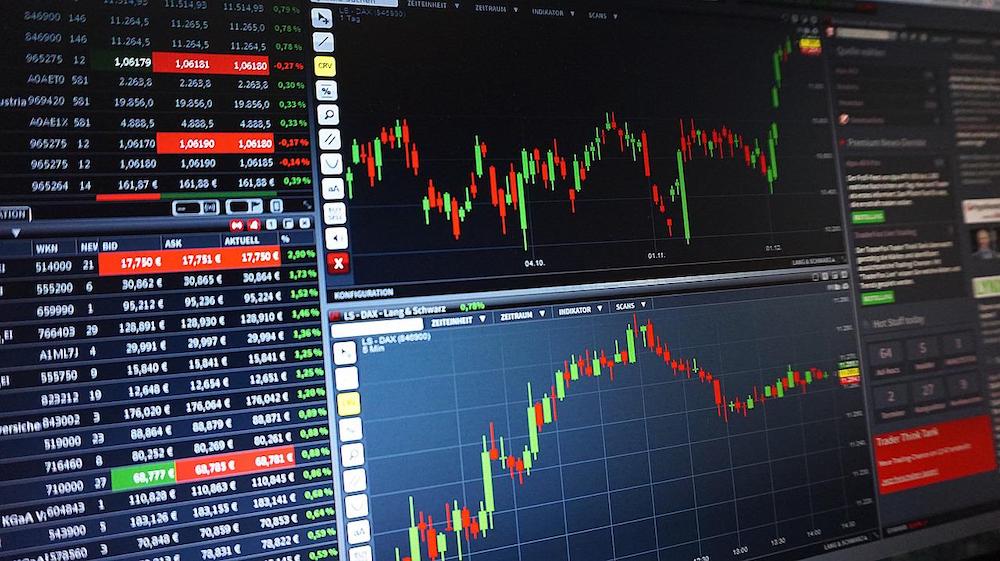
Forex isn’t a foreign word in Kenya anymore. In matatus, on campus lawns, even at small cafés, someone is always bringing it up. Some talk about the money they made, others admit they lost more than they expected. Either way, the conversation is alive.
Why It Became So Popular
First, flexibility. Markets run day and night, so even if you’ve got a 9–5 job, you can still open a position at midnight. Students can squeeze in trades between classes. Small business owners might check charts after closing shop.
Second, access. Cheap smartphones, cheaper bundles, and simple apps. Kenya already had mobile money ingrained in daily life, so shifting from sending cash to placing a trade didn’t feel like a giant step.
And of course, curiosity. A screenshot of a big win shared in a WhatsApp group spreads faster than wildfire. Everyone wants to know if it’s really that easy. Spoiler: it’s not.


The Broker Question
Once the curiosity hits, the next debate always circles back to platforms. Where do you trade safely? Forums, Telegram chats, and even neighborhood conversations wrestle with this question.
Choosing the best forex brokers in Kenya has little to do with flashy banners. It’s about whether you can trust them. Do deposits land instantly? Can you pull your money out without drama? Does the app crash during market spikes?

For most local traders, “best” means practical:
- An app that doesn’t lag on weak connections.
- Clear transaction costs, nothing sneaky.
- Local payment options that actually work.
- A layout simple enough for beginners, but not too limiting later.
Without those basics, people leave fast.
Habits You See in the Community
Patterns are forming.
- People check global news before they even glance at charts.
- Many trade with tiny amounts at first — “school fees” for learning.
- Screenshots fly around in groups; others comment, sometimes with useful advice, sometimes just noise.
- After a loss, some step back for a day instead of doubling down.
- Local events matter: tea, coffee, tourism, fuel. Traders connect headlines to their screens.
These routines aren’t fancy, but they keep emotions from running wild.
The Role of Demo Practice
Another visible trend is practice accounts. A metatrader 5 demo account feels like a testing ground. It lets people play with strategies without burning real money. For Kenyans who like to start small, it’s almost the default step before committing.
Demo accounts don’t remove the risk of real markets, but they give a taste. You get to see spreads, test stop-losses, figure out order timing. And when it’s free, why not?
Challenges That Stick Around
Even with better access, problems remain. Outside cities, internet can cut off mid-trade. Financial basics aren’t universal; plenty of beginners jump in without knowing what leverage means. And emotions — maybe the hardest part — don’t calm down just because the app is simple.
Add to that the flood of misinformation. A rumor in one group chat can push dozens into bad positions. Sorting signal from noise is a skill in itself.
Kenya’s Unique Context
Kenya’s currency doesn’t float in isolation. Weather patterns hit agriculture. Oil prices push fuel costs up. Tourism numbers shift the mood. A global headline can ripple all the way to a shilling chart on a phone screen in Kisumu or Eldoret.
That’s why many who last longer mix technical analysis with everyday awareness. Charts show movement; news explains why.
Speculation Without Chaos
Speculation gets called gambling too often. But in forex, it’s not optional — it’s the nature of the game. The real line is between reckless gambling and calculated speculation. Risking rent money on a trade? Reckless. Setting clear loss limits and walking away when it’s hit? Responsible.
Online groups in Kenya repeat the same thing: don’t chase instant wealth. Treat it like a skill, something you build slowly. Losses aren’t the end; they’re tuition.
Looking Forward
With internet access spreading, smartphones cheaper, and financial literacy conversations growing, forex in Kenya isn’t going away. The risks will always be there, but so will the curiosity. And every year, the community looks a little more experienced.
Final Thoughts
Forex here is part of daily talk now. For some, it’s a quick experiment; for others, a steady learning journey. Success stories exist, but so do countless frustrations.
At the core, trading isn’t magic. It’s discipline, patience, and learning to control yourself when numbers shift on the screen. Kenya’s traders are finding their own rhythm — one trade at a time, one mistake at a time, and sometimes, one small win that keeps them coming back.
Go to TECHTRENDSKE.co.ke for more tech and business news from the African continent.
Mark your calendars! The TechTrends Pulse is back in Nairobi this October. Join innovators, business leaders, policymakers & tech partners for a half-day forum as we explore how AI is transforming industries, driving digital inclusion, and shaping the future of work in Kenya. Limited slots – Register now – here.
Follow us on WhatsApp, Telegram, Twitter, and Facebook, or subscribe to our weekly newsletter to ensure you don’t miss out on any future updates. Send tips to editorial@techtrendsmedia.co.ke


