
iPhone 16 Pro Max Outshines Pixel 10 Pro XL in Real-World Video, Despite Google’s AI Push
Taking the iPhone 16 Pro Max and Pixel 10 Pro XL into the wilderness reveals how real-world conditions test video performance, from flickering campfires to low-light forests, and why Apple’s approach to capturing moments still feels a step ahead

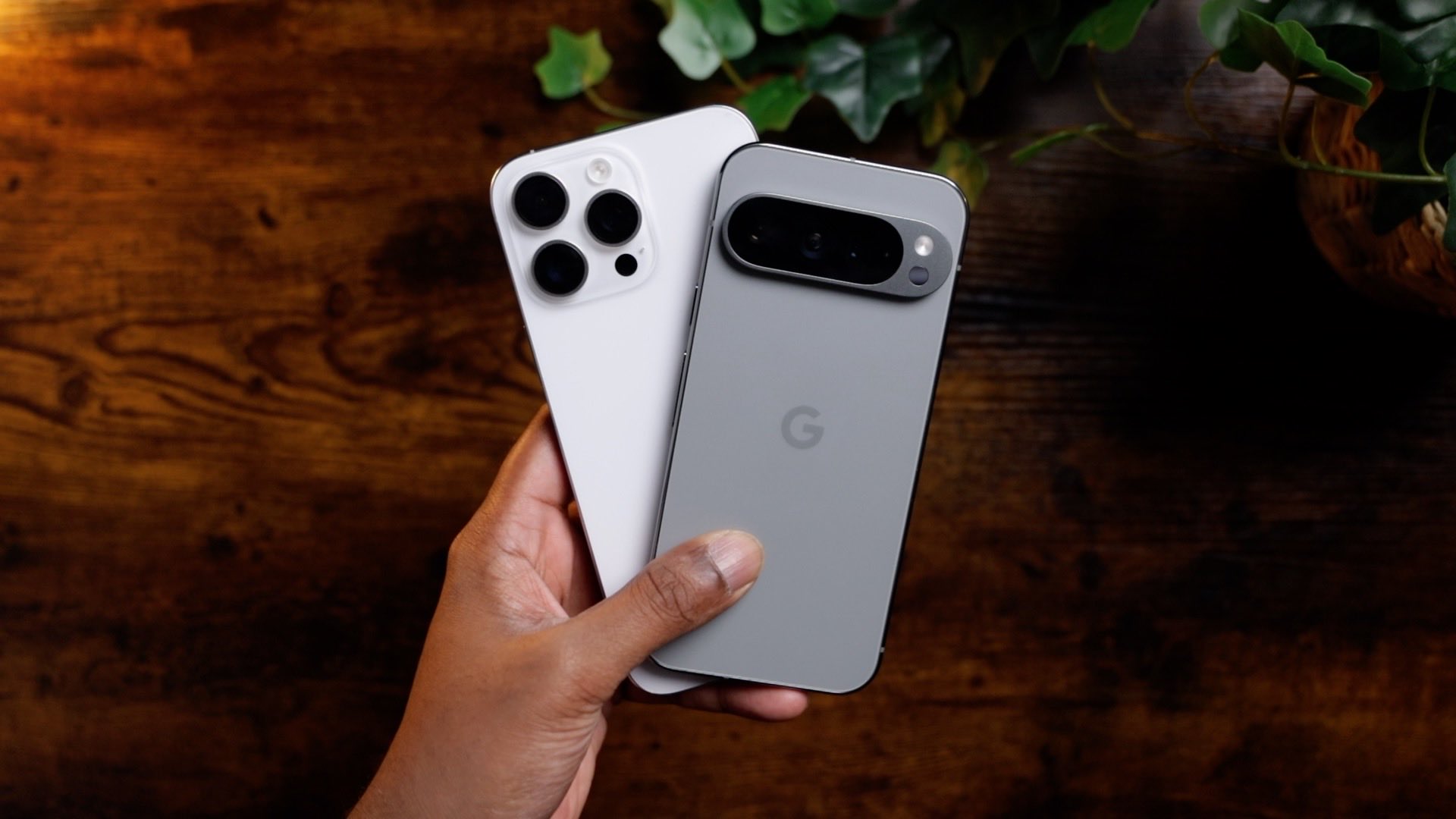
Each September brings the same ritual: new phones, new promises, and the same question — has Google finally caught up to Apple in video? After watching tech reviewer Dave2D’s latest YouTube video, filmed during a family camping trip in Ontario, the answer remains familiar. The iPhone still owns video, while the Pixel continues to lean heavily on photography and AI tricks.

Testing in the Wild, Not a Studio
Instead of sterile lab conditions, Dave took the Pixel 10 Pro XL and iPhone 16 Pro Max out into the real world at Kilbear Provincial Park. Picture tents, campfires, and kids impatiently waiting for dad to stop filming logs and caterpillars. The setting made for a refreshingly real test environment. It also exposed what each camera could — and couldn’t — handle once removed from stage lights and controlled demos.
The first scene told the story quickly. Flames crackling against the dusk looked vivid and balanced on the iPhone. On the Pixel, the fire washed out, shadows collapsed, and the motion stuttered when the camera panned. That slight judder has haunted Pixel video for years, and despite Google’s latest Tensor G5 chip, it’s still there.
Google: The AI Companion
When Google introduced its Tensor chip with the Pixel 6, the message was subtle but clear: forget chasing raw horsepower. Instead, Google would prioritize artificial intelligence. That choice has defined every Pixel since. Call Screening, Live Translate, Recorder with real-time transcription, and AI-powered photo editing don’t just showcase processing muscle; they reshape how a phone fits into everyday life. A Pixel isn’t designed to be the fastest phone on the market. It’s designed to be the most helpful.

That approach explains both its strengths and weaknesses. The Pixel 10 Pro XL can recognize text at extreme zoom levels, identify wildlife with AI, and even offer composition tips through Camera Coach. These features can feel more like experiments than essentials, but they reflect Google’s long game: making the phone anticipate, guide, and assist. Where it struggles is in the basics of video capture — the area where AI can only patch so much.
Apple: The Production Powerhouse
Apple, by contrast, has doubled down on raw performance. Each new generation of iPhone brings the kind of silicon leaps that matter most to creators. Professional-grade video capture, advanced editing pipelines, and the seamless fluidity of iOS keep the iPhone at the center of content production. iPhones aren’t particularly “smart” in the AI sense. What they are is reliable power tools for anyone making photos, videos, or apps.

Dave’s tests underscored this divide. In macro, the Pixel produced a more dramatic shot of a caterpillar crawling on a cooler, but in nearly every other video scenario — campfires, low light, telephoto wildlife tracking, even front-facing clips — the iPhone’s stability, detail, and consistency carried the day. Apple’s philosophy shows in these moments: creators want tools they can trust instantly, not features that need cloud processing and a 20-hour wait to deliver.
Looking Ahead: What the Next iPhone Could Bring
The iPhone 16 Pro Max already impresses, but the next generation could refine what makes Apple a production powerhouse. Several key improvements could take it further:
- Accessible Pro camera mode: Advanced features like exposure compensation, Photographic Styles, and ProRaw formats should be easy to access, rather than buried behind a minimalist interface. This would let enthusiasts use their iPhones like a professional mirrorless camera, taking full control over images and video.
- Larger image sensor: Increasing the sensor size could improve low-light performance and dynamic range, helping the iPhone compete with rivals that have adopted larger sensors for richer, more detailed shots.
- Variable aperture: Incorporating a wider and adjustable aperture could produce more authentic bokeh effects and dramatic starbursts around lights, especially in nighttime photography.
- Expanded Photographic Styles and LUTs for ProRes: More creative options directly on the iPhone for both photos and video would reduce reliance on external software for color grading, allowing for polished results straight from the device.
- Prioritizing real image quality over AI reliance: While AI enhancements are useful, the iPhone should continue emphasizing sharp, detailed, and faithful results, rather than depending on algorithmic corrections to compensate for hardware limitations.
Implementing these changes would strengthen Apple’s dominance in real-world video and creative photography, reinforcing the iPhone’s position as the go-to tool for creators who need reliability and flexibility in the field.
Night and Day
Low light remains the most telling battlefield. The Pixel’s night sight is legendary for stills, but its video in near-dark conditions remains weak. Clips shot around the fire or after sunset looked murky compared to Apple’s output. The iPhone 16 Pro Max handled shadows with detail, produced less grain, and kept color more accurate.
Google’s workaround is Video Boost, an AI-enhanced processing mode that uploads clips to the cloud for polishing. It works, but it’s hardly seamless. Apple, by contrast, delivers its results in real time, on-device.
Verdict: Familiar Results
As Dave2D’s real-world test shows, the pattern is clear. For video, the iPhone 16 Pro Max remains unmatched. Its handling of fire, low light, telephoto stabilization, and front-facing clips all put it ahead of Google’s flagship. The Pixel 10 Pro XL produces beautiful photos and has flashes of brilliance in macro video, but the overall experience feels iterative rather than revolutionary.
With forward-looking improvements in the next iPhone, Apple could extend this edge even further, blending real-world video reliability with creative flexibility. Meanwhile, Google’s Pixel continues to evolve as the AI companion — clever, helpful, sometimes experimental — but still not the production powerhouse Apple has built for creators.
Go to TECHTRENDSKE.co.ke for more tech and business news from the African continent.
Mark your calendars! The TechTrends Pulse is back in Nairobi this October. Join innovators, business leaders, policymakers & tech partners for a half-day forum as we explore how AI is transforming industries, driving digital inclusion, and shaping the future of work in Kenya. Limited slots – Register now – here.
Follow us on WhatsApp, Telegram, Twitter, and Facebook, or subscribe to our weekly newsletter to ensure you don’t miss out on any future updates. Send tips to editorial@techtrendsmedia.co.ke
TechTrends Media Podcasts

