The Samsung Galaxy Watch’s New Antioxidant Tracking Pushes Wellness Tech Into Deeper Territory
By tracking antioxidants, Samsung’s newest watch moves closer to the part of health we can’t see but always feel.

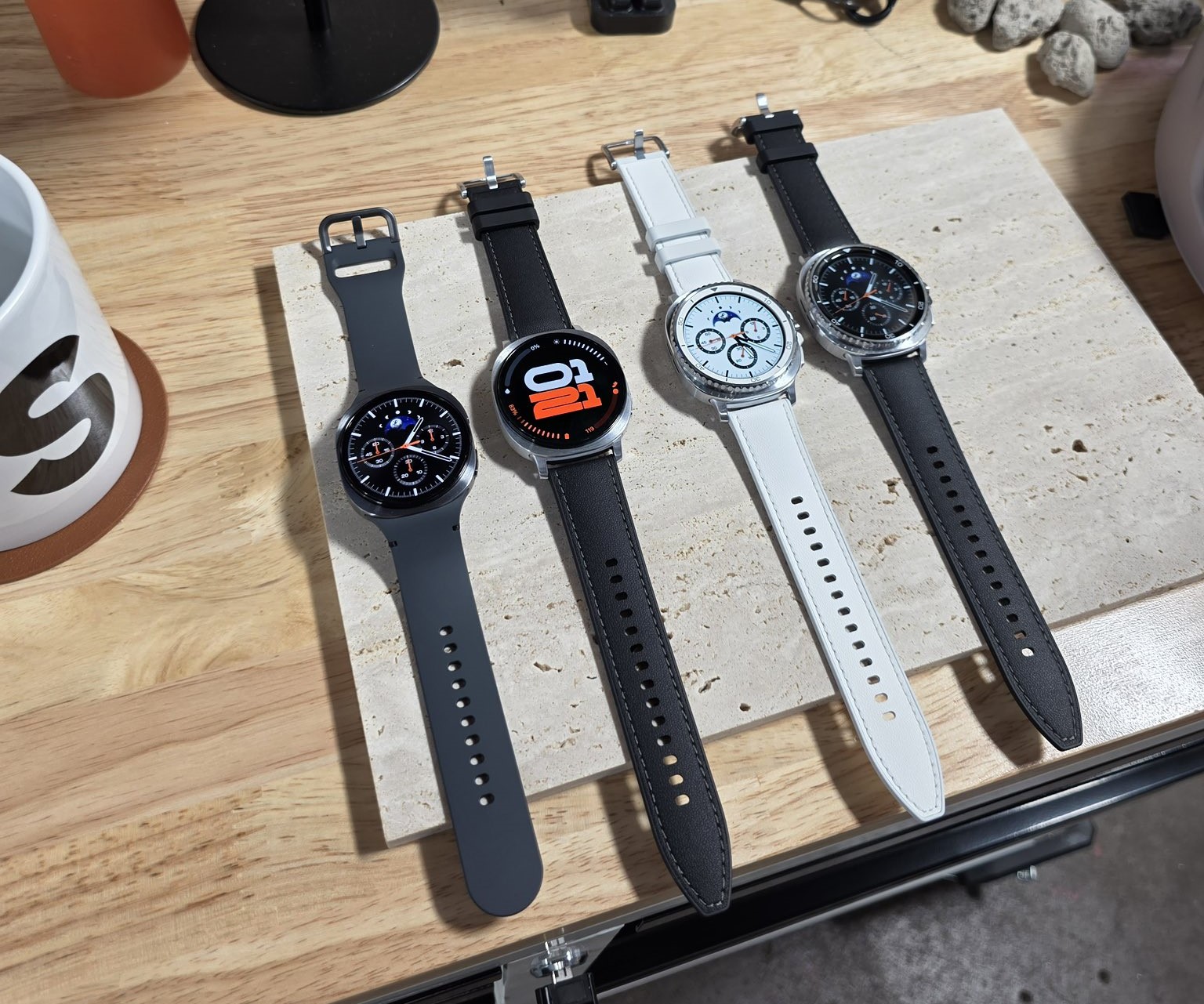
It’s easy to forget that most health data is surface-level — a tally of steps, heartbeats, or hours of sleep. The latest Samsung Galaxy Watch 8 Series goes a little further. Its new antioxidant tracking feature doesn’t just log what the body does; it starts to look at how the body holds up. According to nutrition researchers, that’s where the story of real wellness begins — in the molecules that reveal how well we recover from the world around us.

The concept is striking in its simplicity. Hold your thumb against the back of the watch for five seconds, and it analyzes how light passes through your skin to estimate the concentration of natural antioxidants from fruits and vegetables. The result appears as a score from zero to one hundred, categorized from Very Low to Adequate. It’s not a medical test, but a glimpse into the nutritional story written beneath the surface.
Samsung calls it the Antioxidant Index — a small, sensor-based window into how diet shapes the body over time. What makes it stand out is not the number itself but what it represents: the start of a new era where nutrition becomes a measurable health metric, as visible as a heart rate reading or sleep stage chart.
How It Works Beneath the Skin
At the heart of the feature is Samsung’s upgraded BioActive Sensor, built into the Galaxy Watch 8, Watch 8 Classic, and Watch Ultra. Most wearables rely on green or infrared LEDs to measure blood oxygen or pulse. Samsung’s array adds yellow, blue, and violet light to detect carotenoids, the pigment compounds that give fruits and vegetables their color and their antioxidant power.
When the thumb presses firmly on the watch, it briefly clears blood from the surface, allowing the light to interact with skin cells instead. The reflected wavelengths are analyzed to estimate carotenoid concentration — an optical marker of dietary quality.
According to nutrition researchers, carotenoids are among the most reliable indicators of fruit and vegetable intake. They serve as natural antioxidants that help neutralize free radicals, which are unstable oxygen molecules that can damage cells and contribute to chronic diseases. Higher carotenoid levels generally indicate a diet rich in produce and lower exposure to oxidative stress.
That’s the biological link Samsung is trying to visualize. The watch doesn’t diagnose or replace medical tests, but it turns what was once a lab measurement into something an ordinary user can check daily.
Making Nutrition Visible
Most health data collected by wearables tells us how our bodies are performing — how the heart pumps, how efficiently we recover, how many hours we sleep. But nutrition remains one of the hardest aspects of wellness to track. Apps that rely on self-reported food logs often produce inconsistent data, and most users abandon them after a few weeks.
By moving the process into the hardware, Samsung is trying to bypass that fatigue. The Antioxidant Index is designed as a passive indicator rather than a meticulous record. You don’t log anything; you simply measure, and the watch provides a long-term trend.
Nutrition researchers note that carotenoid levels in the skin rise and fall slowly compared with blood levels. That means results may take a week or longer to reflect real changes in diet or lifestyle. Still, this gradual response offers stability. Instead of reacting to a single meal, the watch shows cumulative patterns — a rolling average of how consistently healthy the diet has been.
A New Type of Feedback Loop
What makes the Antioxidant Index interesting isn’t only the technology, but the behavioral loop it creates. Traditional fitness trackers reward activity with instant feedback: close your rings, hit your steps, meet your sleep goal. Nutrition has never had that immediacy.
Now, users can see the effects of their food choices visualized over time. It’s not a calorie counter or a diet app, but a reflection of nutritional quality that doesn’t rely on user input. That shift — from manual entry to physiological reading — could redefine how people think about monitoring their health.
If this approach gains traction, it could change how consumers interact with wearable data altogether. Instead of counting what they eat, they’ll begin observing how their bodies absorb it.
The Broader Race to Own Your Health Data
Samsung isn’t the only company trying to expand the scope of health tracking. Apple, Fitbit, and Oura have built vast ecosystems around wellness, each with its own focus on vitals, sleep, or recovery. The next phase of competition lies in capturing invisible metrics — nutrition, stress chemistry, hydration, and the molecular markers that bridge daily life with long-term health outcomes.
Samsung’s antioxidant tracking positions the company at that frontier. It gives its watches a unique capability in a market that’s increasingly crowded with similar features. More importantly, it pushes the conversation beyond step counts and heart rates toward something more elusive: the chemistry of well-being.
The underlying principle — using light to read biological signals — could open new directions for wearable science. Engineers are already exploring how different wavelengths can probe hydration levels, glucose variability, or vitamin concentration. These applications are still experimental, but Samsung’s integration of antioxidant sensing suggests how optical methods might evolve into mainstream consumer tools.
Limits and Learning Curves
As promising as the Antioxidant Index sounds, it’s not without caveats. Factors such as body composition, weight, and skin tone can affect readings. People with higher body mass indexes may show lower antioxidant levels even with similar diets, because their bodies use more antioxidants to counterbalance oxidative stress.
Skin pigmentation also plays a role in how light interacts with tissue. Samsung’s engineers designed the feature to minimize this interference by focusing on the thumb, where melanin levels are lower, but differences can still occur. These nuances reinforce that the Index should be treated as a general guide, not a medical benchmark.
For now, the readings exist in a gray zone between wellness and science. They’re validated against lab data but not cleared by regulators, and the scores remain relative rather than absolute. Even so, for many users, that baseline insight is valuable. It provides an accessible measure of dietary consistency without needles, forms, or food diaries.
Why This Matters for the Future of Wearables
The most transformative technologies often start as novelties. When heart rate sensors first appeared on wristbands, they seemed like gimmicks. Within a decade, they became vital tools for health tracking, athletic training, and even medical alerts. Antioxidant tracking could follow a similar path — from curiosity to cornerstone.
By folding nutrition into the data stream, Samsung is hinting at a more comprehensive model of personal health, where diet, sleep, stress, and movement converge. The vision is a watch that doesn’t just record what happens to you but interprets why it happens.
If Samsung and its competitors succeed, wearables could become less about counting and more about comprehension — devices that read the patterns written in light and skin, and connect them to everyday choices.
The Long View
Samsung’s antioxidant feature arrives at a moment when consumers are both more health-conscious and more skeptical of data fatigue. After years of charts and reminders, people want insights that feel meaningful rather than overwhelming. Nutrition is a natural next step because it ties the abstract numbers back to something tangible: what we eat.
In practical terms, the feature might not change behavior overnight. But it reframes how technology approaches health — not as an endless series of metrics, but as a living system that can be observed through small, consistent signals.
Antioxidant tracking marks the beginning of that shift. It turns the skin into a readable surface and the body into its own data source. The message beneath the numbers is simple: the choices you make each day are measurable in more ways than you think.
Go to TECHTRENDSKE.co.ke for more tech and business news from the African continent.
Follow us on WhatsApp, Telegram, Twitter, and Facebook, or subscribe to our weekly newsletter to ensure you don’t miss out on any future updates. Send tips to editorial@techtrendsmedia.co.ke

