
Billing Disputes, Network Failures, and Frustration Behind Surge in Complaints Against Telcos
It’s not just about calls and data anymore — the mounting complaints reflect deeper cracks in trust between telcos and the public.

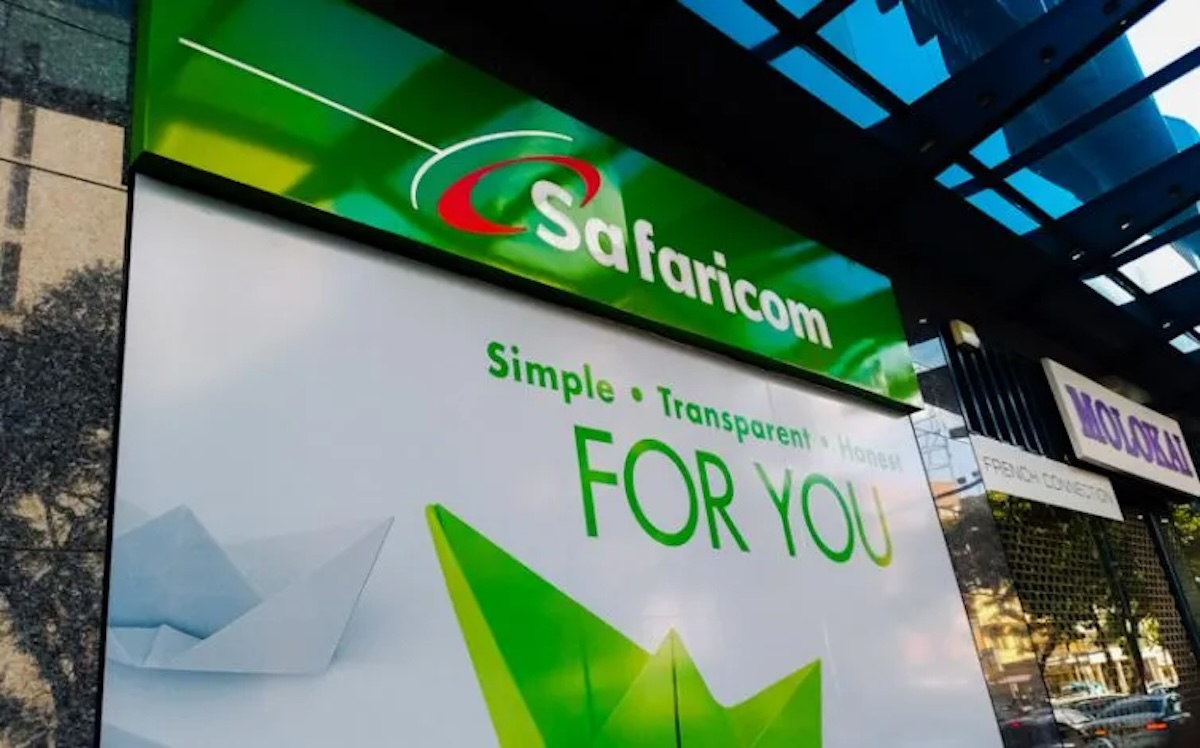
The numbers don’t lie – and this time, they’re painting a picture of rising frustration across Kenya’s telecom landscape.
In the 12 months ending June 2025, complaints against telcos and broadcasters climbed nearly 30 percent, according to new data from the Communications Authority (CA). A total of 914 consumer complaints were formally lodged with the regulator, up from 711 the previous year.
It’s not the kind of growth anyone celebrates.
The issues are wide-ranging: service interruptions, questionable billing practices, unresolved disputes. And while telcos have long attracted scrutiny, this time broadcasters have entered the fray too — with 186 complaints filed against them after recording none the previous year. That shift alone accounts for much of the overall increase.


Beyond the Numbers: What Consumers Are Saying
The friction isn’t just technical. It’s about trust.
Customers expect to be billed fairly, to have service when they need it, and to be heard when something goes wrong. When those expectations aren’t met — and the provider shrugs it off — frustration builds. That’s where the CA steps in.

Most complaints stemmed from situations where customers felt stonewalled by their service provider. Whether it was a dropped call that turned into a pattern or data that mysteriously disappeared from a bundle, the escalation path has become familiar.
And while dropped calls and data outages declined slightly this year, complaints around service disruptions still rose. So did billing disputes, which edged up to 64 cases.
But it wasn’t all bleak. The report showed a notable drop in privacy-related complaints, which fell by 40 percent. Cases tied to service termination also dipped.
Even more encouraging: the resolution rate improved. Of the 914 complaints filed, nearly 88 percent were addressed — a bump from last year’s 83 percent.
Still, the root problems aren’t disappearing.
Connectivity Inequality Persists
Rural coverage continues to trail. Despite the country’s growing digital dependence, large swathes of Kenya remain patchy and underconnected.
According to the CA’s most recent quality of service audit, Safaricom met minimum quality standards in 30 of 47 counties. Airtel passed in just over half (24 counties). Telkom Kenya, meanwhile, met the mark in only three.
The regulator has made it clear: subpar performance won’t slide. Providers who fail to meet coverage or quality targets face deadlines and are expected to expand infrastructure, including communication masts that directly influence signal strength and data reliability.
But building masts takes time. And in that time, customer complaints keep piling up.
Bigger Questions for an Evolving Sector
Kenya’s telco sector is no stranger to growing pains. As demand for faster, more reliable digital services rises, so do expectations — not just for speed, but for fairness, transparency, and accountability.
The surge in formal complaints may be a warning shot: a sign that consumers are not just noticing flaws but increasingly willing to push back.
And for companies already under pressure to deliver 5G, streamline mobile money platforms, and meet regulatory benchmarks, the margin for error is shrinking fast.
In a market where competition is intensifying and loyalty is fragile, the stakes go beyond fixing a dropped call.
They now sit squarely in the realm of credibility.
Follow us on WhatsApp, Telegram, Twitter, and Facebook, or subscribe to our weekly newsletter to ensure you don’t miss out on any future updates. Send tips to editorial@techtrendsmedia.co.ke


