
The case for two Kenya Airways freighters serving Britain's and Europe's export markets

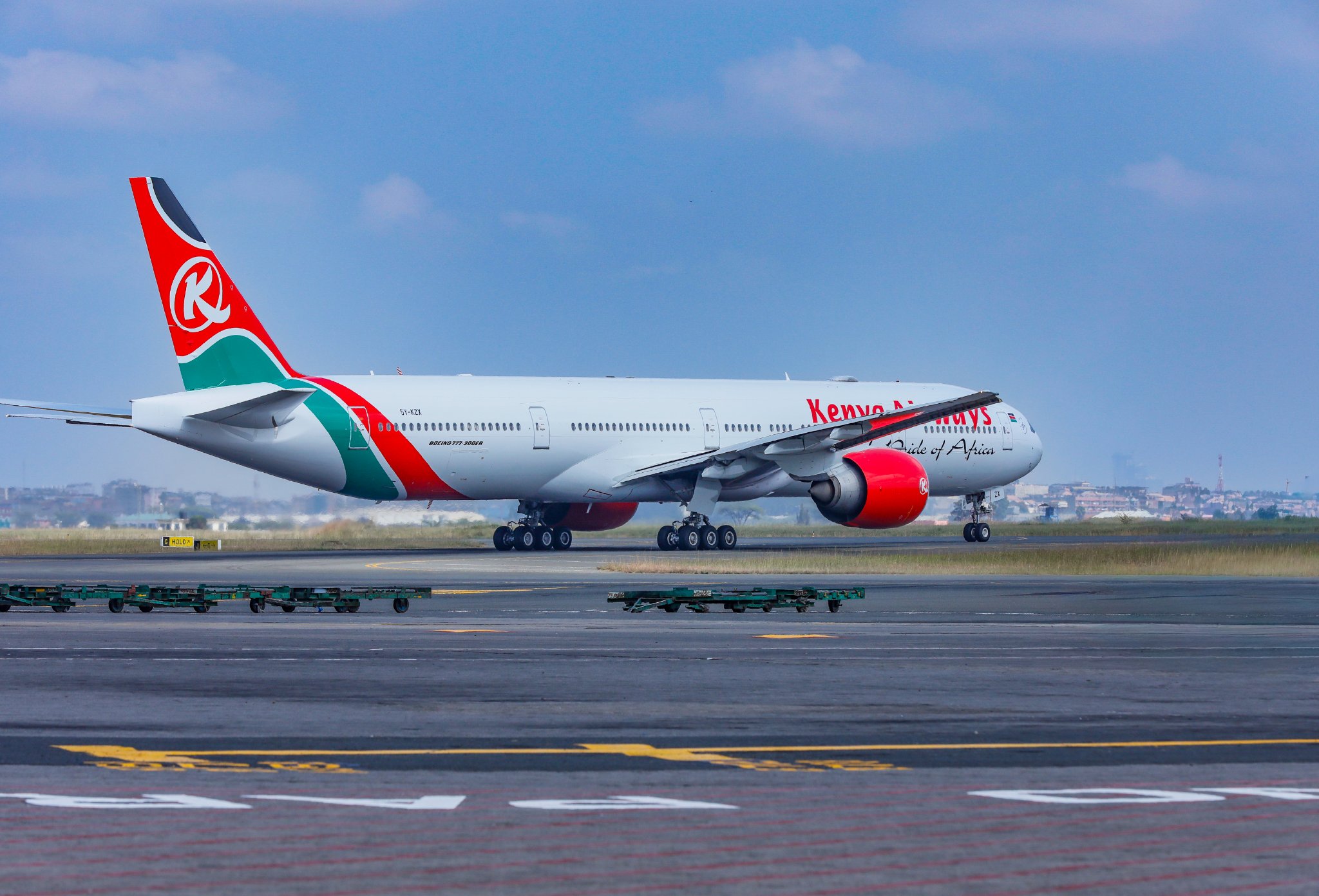
Kenya Airways cargo operations could play a greater role in supporting agricultural exporters under a proposal by Dr Bimal Kantaria to lease two dedicated freighter aircraft. Speaking at the NCBA Economic Forum 2026, Kantaria proposed one aircraft serving the United Kingdom and another covering the wider European market.
The proposal addresses the cost and capacity challenges facing Kenya’s horticultural exporters, particularly businesses that depend on reliable airfreight to transport fresh produce to overseas buyers.
Kantaria proposes two leased freighters
Kantaria’s proposal involves leasing two cargo aircraft through Kenya Airways, with separate coverage for the UK and European markets. The arrangement would give exporters a dedicated cargo option serving two important destinations for Kenyan produce.
Fresh produce exports depend on transportation arrangements that can preserve quality and meet delivery schedules. Airfreight capacity is therefore an important part of the economics of exporting horticultural products.


Kantaria argued that Kenya needs to address the logistical constraints affecting exporters, including the availability and cost of transporting goods to international markets.
Air cargo capacity and export competitiveness
Kenya’s horticultural sector competes in markets where delivery times, transport costs and product quality influence commercial performance. Exporters must manage these requirements while competing with suppliers from other producing countries.
A dedicated cargo arrangement through Kenya Airways could provide another route for moving Kenyan produce to buyers in Britain and Europe. The proposal also places the national carrier within a wider discussion about how aviation infrastructure can support trade and agricultural exports.
The wider cost of moving Kenyan produce
Kantaria’s comments extended beyond airfreight. He raised concerns about delays at the Port of Mombasa, including vessel waiting periods of 45 to 50 days, and the financial costs associated with delays affecting fertiliser shipments.
He also discussed the burden of multiple charges and levies facing exporters. These costs form part of the operating environment for companies that must move goods through several stages before reaching international customers.
The combination of transport costs, administrative charges and supply-chain delays affects the competitiveness of Kenyan exports.
Why dedicated cargo capacity matters to exporters
The two-aircraft proposal places cargo capacity within the broader question of how Kenya can support its export industries. Horticultural exporters need transport options that connect production areas with overseas markets while managing the cost of moving perishable goods.
For Kenya Airways, the proposal points to a potential role in supporting agricultural trade through dedicated freight services. For exporters, the wider issue is whether the country’s transport infrastructure can support the volume, timing and cost requirements of international markets.
Go to TECHTRENDSKE.co.ke for more tech and business news from the African continent and across the world.
Follow us on WhatsApp, Telegram, Twitter, and Facebook, or subscribe to our weekly newsletter to ensure you don’t miss out on any future updates. Send tips to info@techtrendsmedia.co.ke

