
World Bank taps Cassava, Nvidia for Africa AI compute push

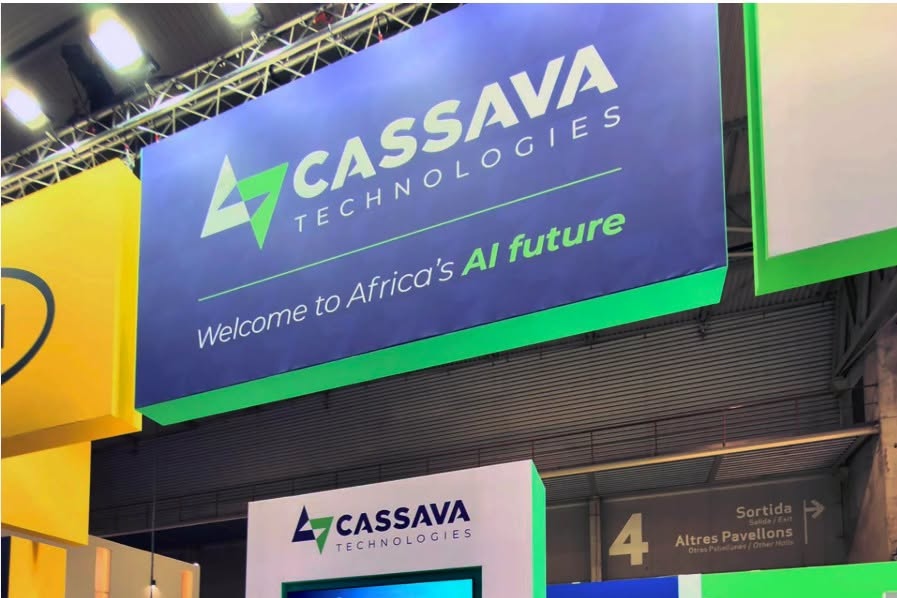
Pan-African technology group Cassava Technologies has been named a knowledge partner in a new World Bank Group initiative to give governments in emerging markets affordable access to artificial intelligence (AI) computing power, with Africa as an initial focus.
The AI Infrastructure and Readiness Initiative, announced on Tuesday alongside the World Bank Group’s first digital strategy, will offer shared, pay-as-you-go access to graphics processing units (GPUs), the specialised chips used to build and run AI applications. Nvidia is also a knowledge partner.
The World Bank Group says the model offers a practical alternative to countries building their own standalone national data centres, which are costly and slow to set up.
The initiative will initially target Africa and Latin America.


Cassava, founded by Zimbabwean billionaire Strive Masiyiwa, has positioned itself as one of the continent’s leading providers of AI computing infrastructure.
The firm began deploying its Nvidia-powered “AI Factory” at its South African data centres earlier this year, with plans to expand to Nigeria, Kenya, Egypt and Morocco.

In November 2025, it launched what it described as Africa’s first GPU-as-a-service offering, giving businesses and developers cloud-based access to GPUs hosted in local data centres. Mr Masiyiwa said at the time that the company had acquired 12,000 Nvidia GPUs.
Cassava has argued that keeping AI computing on the continent allows African data to stay within its borders.
“Our goal is to give Africa the infrastructure to write its own future, using its own languages,” Ahmed El Beheiry, Cassava’s group chief operating officer and chief technology and AI officer, said at the South Africa deployment.
The World Bank Group’s broader digital strategy, launched in Seoul, rests on four priorities: expanding connectivity, making devices and data cheaper, strengthening digital services and skills, and helping countries prepare for AI.
It places emphasis on what the lender calls “small AI”, tools built for specific tasks and local conditions, such as helping farmers identify crop disease, supporting health workers or helping businesses manage inventory.
“Our first digital strategy brings these pieces together, helping countries build the foundations to benefit from today’s digital tools and the promise of small AI—AI for the people,” said World Bank Group President Ajay Banga.
The lender says more than two billion people were offline globally in 2025. Only 23 per cent of people in low-income countries used the internet, compared with 94 per cent in high-income countries.
Developing economies are expected to see 1.2 billion young people reach working age over the next 10 to 15 years, while creating only about 420 million jobs. The lender says digital technology can help close that gap.
Under the strategy, the World Bank Group will combine financing, policy advice, private investment and guarantees. These will go towards undersea cables and national networks, cheaper entry-level smartphones, and digital identity and payment systems, as well as AI readiness.
Go to TECHTRENDSKE.co.ke for more tech and business news from the African continent and across the world.
Follow us on WhatsApp, Telegram, Twitter, and Facebook, or subscribe to our weekly newsletter to ensure you don’t miss out on any future updates. Send tips to


