Kenya climbs to fifth in Africa's financial markets ranking as NSE trading surges

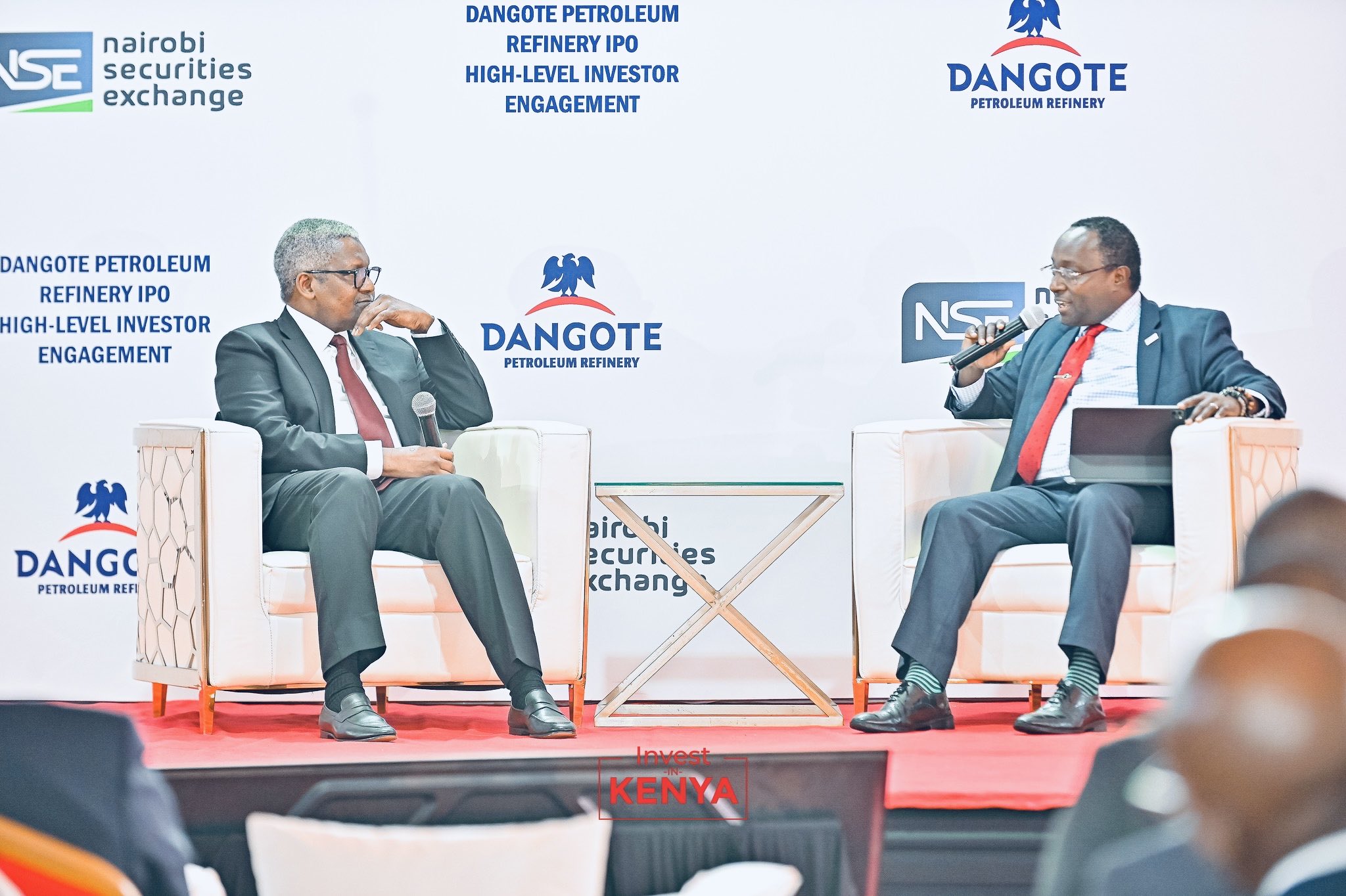
Kenya has climbed to fifth place in the 2026 Absa Africa Financial Markets Index, buoyed by stronger stock and bond trading, new dollar-denominated securities on the Nairobi Securities Exchange (NSE) and improvements in market transparency.
The annual index, compiled by Absa Group and the Official Monetary and Financial Institutions Forum (OMFIF), measures how effectively African countries can raise and move capital. Kenya rose from seventh place in the previous ranking, with an average score of 65 out of 100, compared with a recalculated average of 59 points a decade ago.
The improvement comes as the Nairobi bourse records higher trading volumes, rising share prices and new investment products. However, the country’s weaker scores in market depth and pension fund development point to structural constraints that could limit the extent to which capital market growth translates into financing for businesses.
What lifted Kenya’s financial markets ranking
Kenya’s performance reflects a combination of market activity and institutional transparency. The country scored 100 points in market transparency, tying with South Africa, and also achieved a perfect score in the tax and regulatory environment category.

The report attributes Kenya’s transparency performance to stronger credit-rating coverage and the publication of financial, monetary, fiscal and macroeconomic information. It also highlights the government’s fiscal reporting framework under the Public Finance Management Act, which provides a structured calendar for budget policy statements, quarterly reviews and debt management publications.
Kenya’s regular engagement with Moody’s, S&P Global Ratings and Fitch Ratings also helps ensure that sovereign credit assessors receive consistent information. Such disclosures help investors evaluate government borrowing, fiscal risks and the wider economic environment when making investment decisions.

South Africa retained the top position in the index, followed by Mauritius and Namibia. Ghana climbed four places to sixth as lower inflation, stronger equity market activity and improving economic conditions supported its recovery from a debt crisis. Botswana and Nigeria each fell two places, with inflation weighing on Botswana’s performance and weaker foreign exchange access and transparency affecting Nigeria.
Dollar-denominated listings broaden the NSE’s investment options
The NSE’s first dollar-denominated securities are among the most notable developments in Kenya’s capital markets this year. The listings of African Logistics Properties’ industrial real estate investment trust (REIT) and Centum’s TRIFIC property fund have expanded the range of instruments available to investors on the local exchange.
African Logistics Properties listed its US dollar-denominated industrial REIT on 11 March 2026, after raising Sh3.81 billion, equivalent to approximately $29.5 million, through a restricted offer in 2025. The property investment vehicle provides exposure to industrial real estate, while its dollar-denominated structure allows distributions to shareholders in US currency.
Centum’s TRIFIC property fund followed with a listing at the end of June. It raised Sh3.87 billion, approximately $29.83 million, to finance construction of an environmentally friendly commercial property within its special economic zone. Like the ALP instrument, the fund pays dividends in US dollars.
Combined, the two vehicles raised approximately Sh7.68 billion before listing. Their arrival broadens the currency options available on the NSE and gives investors another route into property assets through listed securities rather than direct ownership of buildings.
Dollar-denominated instruments may also appeal to investors who earn, hold or allocate capital in US currency. For Kenyan investors whose income and expenses are mainly in shillings, however, exchange-rate movements remain an important consideration when measuring investment returns in local currency.
Trading activity reaches new highs
The new listings have arrived during a strong period for the wider Nairobi Securities Exchange. Market capitalisation rose past Sh4 trillion in 2026 as share prices climbed and investors traded actively in major listed companies.
The NSE’s equity turnover reached Sh322.2 billion in the six months to June, exceeding the Sh145.4 billion recorded during the whole of 2025. Investors traded 9.5 billion shares during the period, reflecting the sharp increase in activity at the bourse.
The rally has also benefited from demand for established companies and dividend-paying stocks. Safaricom, Equity Group, KCB Group and Co-operative Bank have been among the companies contributing to the increase in market value as investors respond to earnings, dividends and changing expectations about returns.
Bond trading has also remained strong. Turnover exceeded Sh1.7 trillion by June, putting the market on course to challenge the record Sh2.71 trillion recorded in 2025.
Falling government bond yields have helped support activity in fixed-income securities. When yields decline, the prices of existing fixed-rate bonds generally rise, making them attractive to investors seeking to adjust their portfolios. Higher turnover, however, measures the value of transactions in existing securities and does not necessarily represent fresh money raised by issuers.
New equity listings have added another dimension to the market’s expansion. Kenya Pipeline Company’s March listing provided an initial public offering after more than a decade without an IPO on the NSE, while other market developments have broadened the range of investment opportunities available to investors.
The distinction between market value and capital raised remains important. Rising share prices increase the value of existing holdings, while fresh equity issuance provides companies with additional funding. Both developments contribute to market activity, but they serve different purposes.
Transparency scores strongly, but market depth lags
Despite its improved overall ranking, Kenya scored 43 points in market depth and 30 in pension fund development. These results expose the gap between a market that is trading more actively and one with a broad, sustained pool of capital available to finance businesses and long-term investments.
Market depth depends on the range of securities available, the number and diversity of investors, and the ability to execute large transactions without significantly affecting prices. A rally concentrated in a limited number of heavily traded companies can lift market capitalisation while leaving other parts of the market relatively underdeveloped.
Pension funds are particularly important because they can supply long-term capital for government securities, corporate debt, listed equities and infrastructure projects. A stronger institutional investor base can also help provide liquidity and support demand for a wider range of investment products.
The pension-development score therefore highlights an important challenge for Kenya’s financial system. Expanding the securities available on the NSE will have a greater economic effect if pension savings and other domestic investments can support those instruments over the long term.
Retail access and new products expand participation opportunities
Kenya’s capital market development also extends beyond the headline listings and trading figures. Digital investment channels such as Safaricom’s Ziidi Trader have provided retail investors with a mobile route to buy and sell shares, while the NSE has been pursuing additional investment products aimed at widening market access.
Ziidi Trader recorded more than Sh1 billion in cumulative turnover across 351,440 trades by the end of June 2026, demonstrating demand for mobile-based access to equities. Yet account ownership remains much broader than regular trading participation, suggesting that easier access alone does not guarantee sustained investment activity.
The exchange has also pursued new products, including proposals for exchange-traded funds that would provide exposure to listed Kenyan banks and global artificial intelligence companies. These initiatives could give investors more ways to diversify their portfolios through locally accessible instruments, subject to the relevant approvals and listing requirements.
Separately, the NSE has explored mechanisms to improve exit options for private-equity and development-finance investors holding stakes in Kenyan businesses. More effective exit routes can allow investors to recover capital and redeploy it into other companies, strengthening the connection between private investment and public markets.
These efforts address different parts of the capital-formation process. Digital channels can improve access for individual investors, new products can broaden investment choices, and better exit mechanisms can make it easier to recycle capital into businesses. Their longer-term value will depend on whether they attract sustained participation and help deepen the pool of funds available to companies.
Kenya’s next test is turning market activity into business financing
The revised Absa Africa Financial Markets Index places Kenya among the continent’s stronger financial markets, reflecting gains in transparency, regulatory conditions and trading activity. The first dollar-denominated listings add another layer to a market that is expanding its investment products and attracting renewed attention from investors.
The next challenge is to extend those gains beyond rising valuations and higher turnover. Deeper markets, stronger pension investment and wider participation would give more businesses access to equity and long-term financing while providing investors with a broader range of assets.
Kenya’s fifth-place ranking reflects progress in how its financial markets operate. Sustaining that position will depend on building a market capable of mobilising domestic savings, attracting a wider investor base and directing capital towards productive investment across the economy.
Real ESG impact doesn’t happen in panels alone, it happens in the rooms where financiers, operators, and policymakers actually align. Our GreenShift Forum 2026 cuts the noise, bringing together the people rewiring Africa’s sustainability and energy frameworks for one focused day in Nairobi. Secure your seat.
Go to TECHTRENDSKE.co.ke for more tech and business news from the African continent and across the world.
Follow us on WhatsApp, Telegram, Twitter, and Facebook, or subscribe to our weekly newsletter to ensure you don’t miss out on any future updates. Send tips to editorial@techtrendsmedia.co.ke