Kenyan Farmers Are Borrowing More but Leaving the Hustler Fund Behind
Farmers are still borrowing to keep their operations running, but the Hustler Fund is no longer where they start

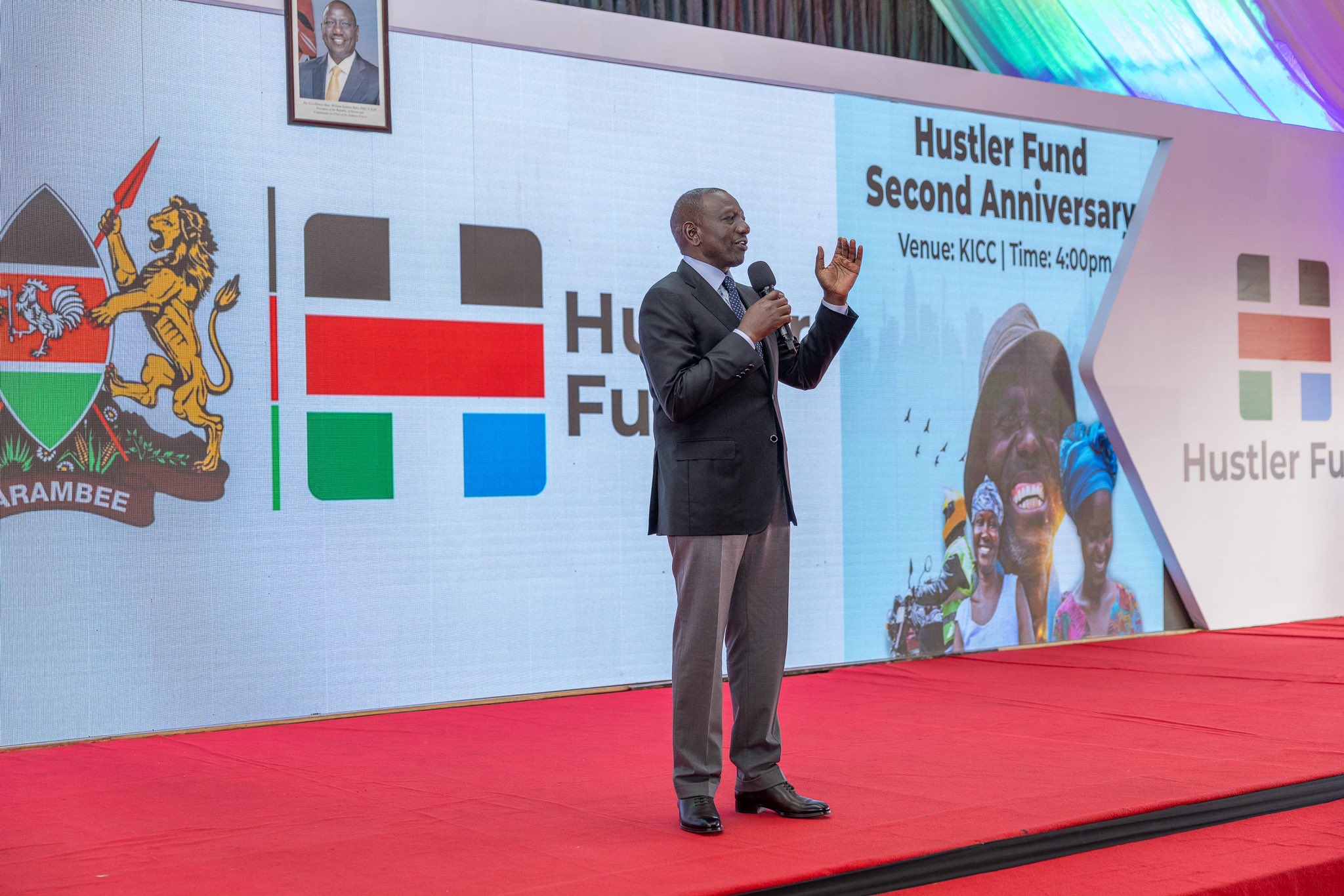
Farmers in Kenya are borrowing more to finance their operations but are stepping back from the Hustler Fund, according to new data from the Central Bank of Kenya.
The CBK survey shows that only 4% of farmers used the state-backed credit scheme in January 2026, even as overall borrowing rose to 48%, up from 37% two months earlier.
The figures point to a widening gap, underscoring the Hustler Fund decline in Kenya.
As uptake of the fund declines, farmers are redirecting their borrowing across multiple channels.

The share relying on friends and relatives climbed to 42% in January 2026 from 25% in November 2025. Bank borrowing also increased to 33%, supported by lower lending rates, while digital credit rose to 26%, including mobile-based facilities such as Fuliza.
The CBK links the rise in bank lending to ongoing monetary easing, which has reduced borrowing costs and improved access to formal credit.

Even as fewer farmers borrow directly from the fund, the system continues to feed the wider lending market. Banks including KCB Group have indicated that data generated through Hustler Fund transactions is being used to refine credit scoring models and expand mobile lending. That data captures repayment behaviour and borrowing patterns, allowing lenders to extend credit beyond traditional customer profiles.
“The main sources of credit for farmers are banks, family and friends, buyers of farm produce, digital lenders, and, to a lesser extent, sacco institutions,” the CBK survey notes.
The latest figures extend a pattern that had begun to emerge in 2025.
Short-term CBK survey snapshots at the time showed usage of the Hustler Fund dropping to negligible levels among sampled farmers, even as banks and mobile lenders gained ground. That earlier data pointed to a preference for credit products with more flexible repayment terms.
The Hustler Fund offers loans ranging from Sh100 to Sh50,000 at an annual interest rate of up to 8%, with repayment expected within 14 days. Missed deadlines trigger higher charges and can lead to account restrictions.
CBK data shows the scheme has faced repayment pressure. Default rates reached as high as 78% in 2024 before easing to 15% by March 2026. Of the Sh83 billion disbursed since launch, about Sh12 billion remains unpaid.
Officials have warned that persistent defaulting could limit access to credit across the financial system.
The survey shows most farmers are borrowing for operational needs.
Spending on inputs such as seeds and fertiliser rose to 84% in January 2026, while borrowing to cover labour costs increased to 75%. The data indicates that credit is being used primarily to sustain ongoing production rather than longer-term investment.
The findings show farmers expanding their borrowing while distributing it across formal and informal sources, with the Hustler Fund accounting for a smaller share of agricultural credit.
Mark your calendars! The GreenShift Sustainability Forum is back in Nairobi this August. Join innovators, policymakers & sustainability leaders for a breakfast forum as we explore sustainable solutions shaping the continent’s future. Limited slots – Get your early bird tickets now – here. Email info@techtrendsmedia.co.ke for partnership requests.
Go to TECHTRENDSKE.co.ke for more tech and business news from the African continent and across the world.
Follow us on WhatsApp, Telegram, Twitter, and Facebook, or subscribe to our weekly newsletter to ensure you don’t miss out on any future updates. Send tips to editorial@techtrendsmedia.co.ke