
Britam BetaLab Develops an AI Lane for Minor Collision Claims
At Britam Centre, a new claims lane asks whether algorithms can read a dented bumper faster than the industry ever could

Motor insurance in Kenya has long moved at a rhythm drivers know too well. A crash happens. Photographs are taken. Forms circulate between garages, adjusters, and insurers. Days pass. Sometimes longer.

That tempo sits behind Britam’s decision to introduce an automated claims facility that settles certain cases within 2 hours. On paper it reads like a technology story. In practice it exposes something broader about how insurers in Kenya handle risk, fraud, and customer frustration.
The company’s new AI motor claims service operates from a drive-through assessment bay at Britam Centre in Nairobi. Vehicles with minor damage roll in, cameras capture the bodywork, algorithms assess the damage, and a claim moves toward settlement in the span of a morning.
The pitch is straightforward. Cut the wait. Reduce paperwork. Pay faster.

Yet behind the mechanics sits a quieter question about the direction of the country’s insurance industry. Claims processing has always been where trust between insurers and policyholders either holds or collapses.
Technology is now being placed at that fault line.

The Two-Hour Claim
At the Britam assessment bay, the process begins with images. Cameras photograph the vehicle as it enters the lane. The system analyses dents, scratches, and structural damage through image recognition software trained on previous claims.
The company says the initial inspection takes roughly 15 minutes.
A digital claim form appears on the customer’s phone. Once submitted, an internal review runs for about 30 minutes. Payment or repair authorization follows within the next hour. Settlement comes through bank transfer, M-Pesa, or approval for repairs at an affiliated garage.
From arrival to payout, the company estimates about 2 hours.
For drivers used to waiting roughly 5 days for a claim decision, the difference is obvious. Yet the design of the service reveals something equally important. It is not meant for every accident.
Vehicles must still be driveable. The damage must remain minor. The policy must be comprehensive.
The system filters complexity before the algorithm even begins.
A Problem the Industry Has Never Quite Solved
Claims processing sits at the centre of insurance economics. Premiums may attract customers, but claims determine whether they stay.
Kenya’s insurers have struggled with this balance for years. Fraud remains common, documentation often arrives incomplete, and disputes over repair costs can stall files indefinitely.
The numbers illustrate the strain.
Data from the Insurance Regulatory Authority shows insurers rejected 22,364 claims worth KSh 658.9 million during the first quarter of 2025.
Some cases involved suspected fraud. Others failed basic documentation checks.
Every rejected claim feeds the same suspicion among policyholders that insurers look for ways not to pay. Meanwhile insurers face the opposite worry: inflated repair bills, staged accidents, and exaggerated damage.
Both sides operate from a position of doubt.
Automation offers insurers a way to narrow that trust gap, or at least manage it more tightly.
Insurance Meets Image Recognition
Artificial intelligence systems designed for vehicle assessment already operate in parts of Europe and North America. They rely on large datasets of accident imagery and repair invoices. The software learns to recognize patterns that human assessors may overlook.
Britam’s system attempts something similar within the Kenyan context.
When a damaged vehicle enters the drive-through bay, the platform compares images against thousands of reference cases. It estimates repair costs and detects inconsistencies that could suggest fraud.
An algorithm can spot repeated damage patterns across multiple claims. It can also flag body panels that appear inconsistent with the reported accident.
For insurers, the appeal is straightforward. Fraud detection improves margins. Processing speed reduces operating costs.
Yet automation also reshapes the role of human adjusters, a profession that once sat at the centre of claims verification.
The Adjuster’s Changing Job
Traditional claims assessment relies heavily on human judgment. Adjusters inspect vehicles, speak with garages, and evaluate accident descriptions.
Their work often blends technical knowledge with instinct.
Automation does not eliminate that role entirely, but it moves the decision process earlier in the chain. Algorithms produce preliminary assessments before a human reviews the claim.
In Britam’s case, internal staff still review the digital claim form before payment. The review window lasts around 30 minutes.
But the core evaluation already happened through software.
The practical effect is subtle. Adjusters increasingly verify machine conclusions rather than constructing them from scratch.
That difference may sound small. Over time it changes how insurance companies hire and train claims staff.
A Different Kind of Innovation Hub
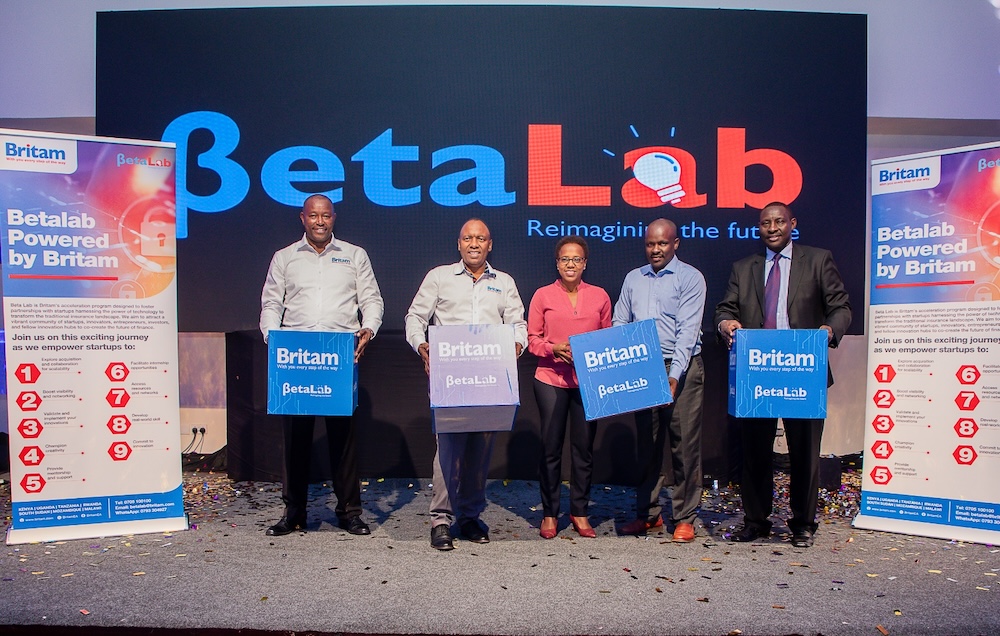
Britam built the system through BetaLab, its internal technology unit. Corporate innovation labs often promise ambitious digital projects that never reach customers. Many remain prototypes.
This one landed directly in the claims pipeline.
The decision reflects a broader trend among financial institutions in Kenya. Banks and insurers now invest heavily in internal software teams rather than relying solely on vendors.
The model borrows from technology companies where product development happens continuously inside the organization.
Financial services firms have begun to follow the same logic.
Claims processing offers a particularly tempting target because it contains structured data, repeated patterns, and measurable outcomes.
That environment suits machine learning systems remarkably well.
The Fraud Equation
Fraud detection sits near the top of the insurer’s agenda. Artificial intelligence offers tools that traditional investigations struggle to replicate.
Algorithms can cross-reference accident images with previous claims. They can identify repeated vehicles, suspicious repair estimates, or damage patterns that appear staged.
The economic impact matters. Fraud inflates claim costs across the industry, pushing premiums upward for everyone else.
Yet automated fraud detection introduces its own tension.
If algorithms become too aggressive, legitimate claims risk being rejected.
Insurers therefore face a calibration problem. Tighten the filters too far and customers lose trust. Loosen them and fraud creeps back in.
Britam’s two-hour process avoids that conflict partly by limiting the service to minor damage cases. The financial exposure remains small enough to allow faster decisions.
Larger claims will still move through slower investigation channels.
The Geography Problem
The system currently operates from a single physical site in Nairobi.
That location raises an obvious constraint. Many Kenyan motorists live far from the capital or rarely travel through the city centre.
Britam says the next step could involve assessing vehicles directly at accident scenes. Mobile inspection tools already exist in other markets, where drivers photograph damage through smartphone apps and upload images instantly.
If that approach spreads in Kenya, the claims process may move from centralized assessment bays to distributed digital inspections.
The insurance claim then begins where the crash occurred rather than where the insurer maintains an office.
Such a change would alter how quickly accidents enter the claims system. It would also introduce fresh questions about image authenticity, GPS verification, and data integrity.
Technology solves one bottleneck. Another emerges.
The Broader Insurance Context
Kenya’s insurance sector has struggled with public perception for years. Penetration rates remain relatively low compared with global averages. Many drivers view insurance as a regulatory requirement rather than a service they trust.
Delays in claims settlement reinforce that skepticism.
A faster claims pipeline may help rebuild credibility, though the outcome depends on consistency. If the two-hour timeline proves reliable, customer expectations will adjust rapidly.
Speed has a psychological effect. Once people see claims paid quickly, tolerance for delays elsewhere declines.
Other insurers may find themselves under pressure to match similar processing times.
Technology competition in insurance rarely unfolds through flashy marketing. It happens through operational benchmarks that customers begin to treat as normal.
The Small Damage Economy
Minor accidents represent a surprisingly large share of insurance activity. Parking dents, bumper scrapes, and low-speed collisions account for thousands of claims each year.
These incidents rarely involve complex investigations. Yet they still move through administrative pipelines built for larger losses.
Automating small claims therefore removes friction from the system without exposing insurers to catastrophic payouts.
From a financial perspective, this category offers the easiest starting point for machine learning deployment.
Once insurers gain confidence in automated assessments, the scope may expand to moderate damage cases.
That progression would place increasingly complex judgments in the hands of algorithms.
The industry has not yet tested how far that boundary can extend.
Where This Leaves the Human Customer
For drivers, the experience changes in practical ways.
Instead of negotiating with assessors and waiting days for updates, the interaction becomes closer to a digital transaction. Photographs replace inspection notes. A smartphone form replaces paperwork.
Speed feels reassuring in the moment.
But speed also alters expectations around transparency. When decisions arrive within 2 hours, customers may ask how the algorithm reached its conclusion.
Insurance companies have not fully resolved how much of that reasoning they should reveal.
Algorithms rarely produce explanations that read clearly to the public.
The tension between automation and accountability will surface sooner or later.
A Glimpse of the Next Phase
Britam’s new service sits at an early stage of a longer technological transition inside financial services. Claims automation intersects with mobile payments, data analytics, and digital identity systems that already shape Kenyan commerce.
The country’s widespread use of mobile money gives insurers an advantage that many global markets lack. Payments can move instantly once a claim receives approval.
The remaining friction lies in verification.
Artificial intelligence addresses that step by turning images into structured data. Cameras become the first claims adjuster.
Whether that approach scales across the industry remains uncertain. Insurance firms operate with different appetites for risk, technology investment, and regulatory scrutiny.
Still, the logic behind automated claims continues to grow stronger.
Customers prefer faster outcomes. Insurers prefer lower operating costs. Regulators prefer systems that detect fraud more reliably.
Those incentives converge around the same idea.
Insurance claims, once defined by paperwork and patience, are moving toward a future where the first decision arrives before a driver finishes their morning coffee.
Go to TECHTRENDSKE.co.ke for more tech and business news from the African continent and across the world.
Follow us on WhatsApp, Telegram, Twitter, and Facebook, or subscribe to our weekly newsletter to ensure you don’t miss out on any future updates. Send tips to editorial@techtrendsmedia.co.ke


