
LG Signature Series 2026 and the End of Planning Your Day Around Laundry
For years the washer dryer combo promised ease, but LG Signature Series 2026 is the first to stop asking for a day in return

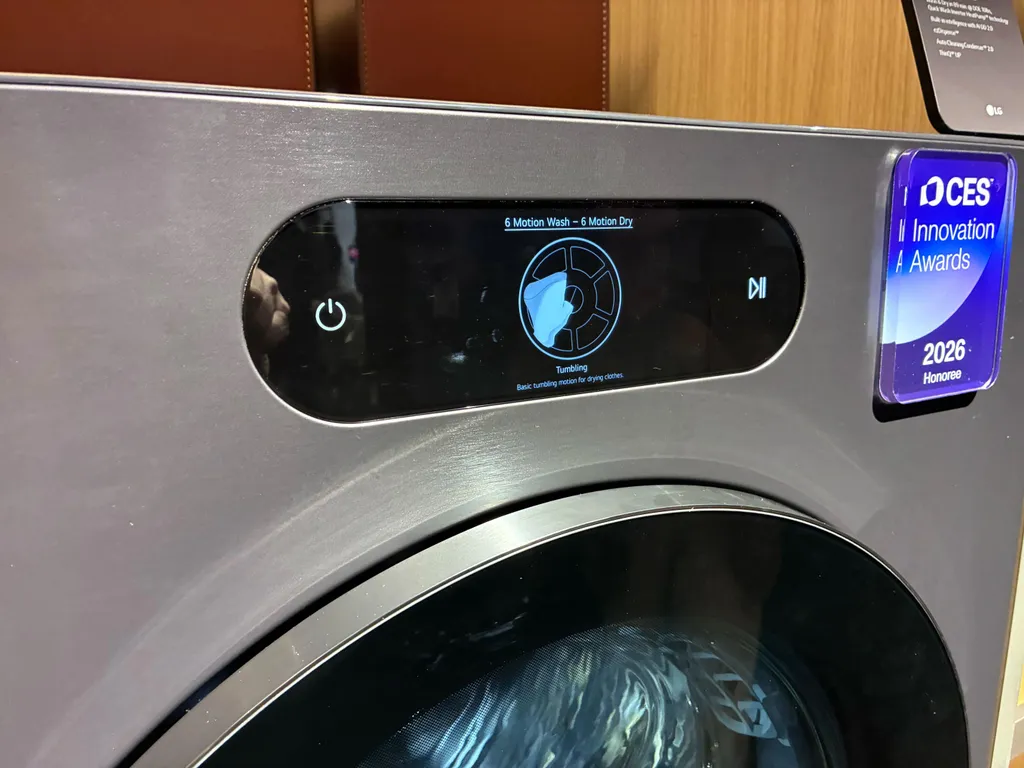
The all in one washer dryer has for years lived in a strange corner of the appliance world. It promised less clutter and less handling, then asked for most of a day in return. People learned to plan around it. Laundry became something you started in the morning and checked again after dinner, sometimes the next day.

At CES 2026, that rhythm broke.
LG’s latest washer dryer combo, the LG Signature 29-inch WashCombo with AIDD2.0, lands with a cycle time of about 90 minutes for a 10 lb load. That number matters because it sits inside normal household patience. It fits between meetings. It fits before school pickup. It fits into the way people already live, instead of forcing a new routine around a machine.
This is not about novelty. It is about friction finally dropping low enough to change behavior.

Why time, not capacity, was always the real problem
Capacity has dominated appliance marketing for years. Bigger drums, taller cabinets, heavier doors. None of it addressed the core issue, which was waiting. A machine that holds a lot but holds your clothes hostage still feels like a compromise.
LG’s new system goes after duration directly. The company shaved roughly 30 minutes off its previous best real world cycle, which hovered near 120 minutes for a full wash and dry. That cut is not cosmetic. It moves the appliance from something you plan your day around to something that works in the background.

The technical explanation sits in a revised heat pump drying setup that manages moisture faster without leaning on the punishing heat spikes common in vented dryers. The practical result is easier to understand. Clothes come out dry on a human schedule.
Once that happens, the mental math changes. The combo stops being a specialist tool for small apartments and starts to look like a default option.
Space, not speed, may be the real beneficiary
Housing has been quietly compressing laundry space for years, even when builders refuse to say it out loud. Laundry rooms became closets. Closets became hallways with doors. The old assumption that every home could spare room for two large machines no longer holds.
A single appliance that washes and dries without a vent cuts through that constraint. It can sit near a water line and drain, then disappear behind a panel. Installation gets simpler. Renovations get cheaper. Renters get options they rarely had before.
The LG unit leans into this reality. No venting requirement means fewer structural compromises and fewer surprise costs. That flexibility matters more than most spec sheets admit, especially in dense cities where square footage comes at a premium.
Over time, this kind of machine starts influencing floor plans. When laundry no longer dictates a room, designers loosen their grip.
Energy use without the lecture
Drying has always been the hidden energy hog of laundry. Traditional dryers trade efficiency for brute force, pushing heat until moisture gives up. Heat pump systems take a slower, more controlled route, recycling warm air and managing humidity instead of overwhelming it.
In earlier combo machines, that restraint came with patience testing cycles. Here, it does not.
The new LG system keeps the gentler drying profile while landing inside acceptable time frames. Fabrics benefit. Power draw stays lower. The user does not feel punished for caring about either.
That balance has been promised before. This time, it arrives without fine print that dominates daily use.
Automation that earns trust by staying invisible
LG puts real weight behind automated load detection, using internal scales to adjust water use and drying time. In practice, this feels less like artificial intelligence theater and more like the removal of small, repetitive decisions.
Most people do not want to think about detergent ratios or fabric settings after a long day. They want clean clothes without damage or waste. Automatic dosing and adaptive cycles serve that impulse when they do not demand attention in return.
The control system remains digital and app connected, but its value is situational. Alerts help when a cycle ends during a meeting. Maintenance reminders matter months later. Day to day, the machine builds trust by not asking to be managed.
That is the bar appliances have to clear now. Features age quickly. Reliability does not.
Price as a gatekeeper, not a verdict
LG has not published final pricing, but expectations sit near $3000 based on the prior model selling above $2000 and the added engineering. That figure narrows the audience in the short term. There is no reason to pretend otherwise.
Still, premium pricing often acts as a proving ground rather than a permanent barrier. Early buyers absorb the cost. Manufacturing scales. Competitors respond. Within a few product cycles, features that once defined the high end become standard.
The more important audience may not be individual buyers at all. Builders, landlords, and developers notice when one machine can replace two without lifestyle penalties. Procurement decisions follow that logic faster than consumer habits do.
The contradiction inside modern appliance progress
There is an irony at the center of this moment. The most meaningful appliance advances now focus on subtraction, not expansion. Fewer steps. Fewer decisions. Less waiting.
For decades, progress meant adding modes, buttons, and buzzwords. The washer dryer combo turns that instinct on its head. Its appeal is consolidation. One machine instead of two. One cycle instead of a handoff. One footprint instead of a room designed around steel boxes.
LG’s new model embodies that tension. The engineering is complex. The experience is simple. The technology disappears so the routine can shrink.
What pressure follows once waiting stops being normal
When acceptable cycle times become the baseline, other questions move forward. Noise in small spaces. Repairability over a decade of use. Service networks for sealed heat pump systems that combine washing and drying in one shell.
There is also a cultural ripple. Laundry has long been structured around delay. Removing that pause compresses household rhythms. People will expect clothes to be ready when they are, not when the machine finally allows it.
Appliances rarely change behavior overnight. They do it by removing excuses, one inconvenience at a time.
A closing thought from the laundry room floor
The LG washer dryer combo does not ask people to rethink laundry. It simply stops getting in the way. That is why the 90 minute figure carries weight beyond marketing. It fits inside real lives.
When an appliance reaches that point, it stops feeling like technology and starts feeling like infrastructure. You only notice it when it fails.
For the first time, the all in one washer dryer looks ready for that role.
[Secure Your Seat at Africa Tech Summit Nairobi 2026 | February 11–12 here] Use code TTRENDS10 at checkout to save 10% on your pass and join the leaders building Africa’s $1 trillion cross-border payment future.
Go to TECHTRENDSKE.co.ke for more tech and business news from the African continent.
Follow us on WhatsApp, Telegram, Twitter, and Facebook, or subscribe to our weekly newsletter to ensure you don’t miss out on any future updates. Send tips to editorial@techtrendsmedia.co.ke


