

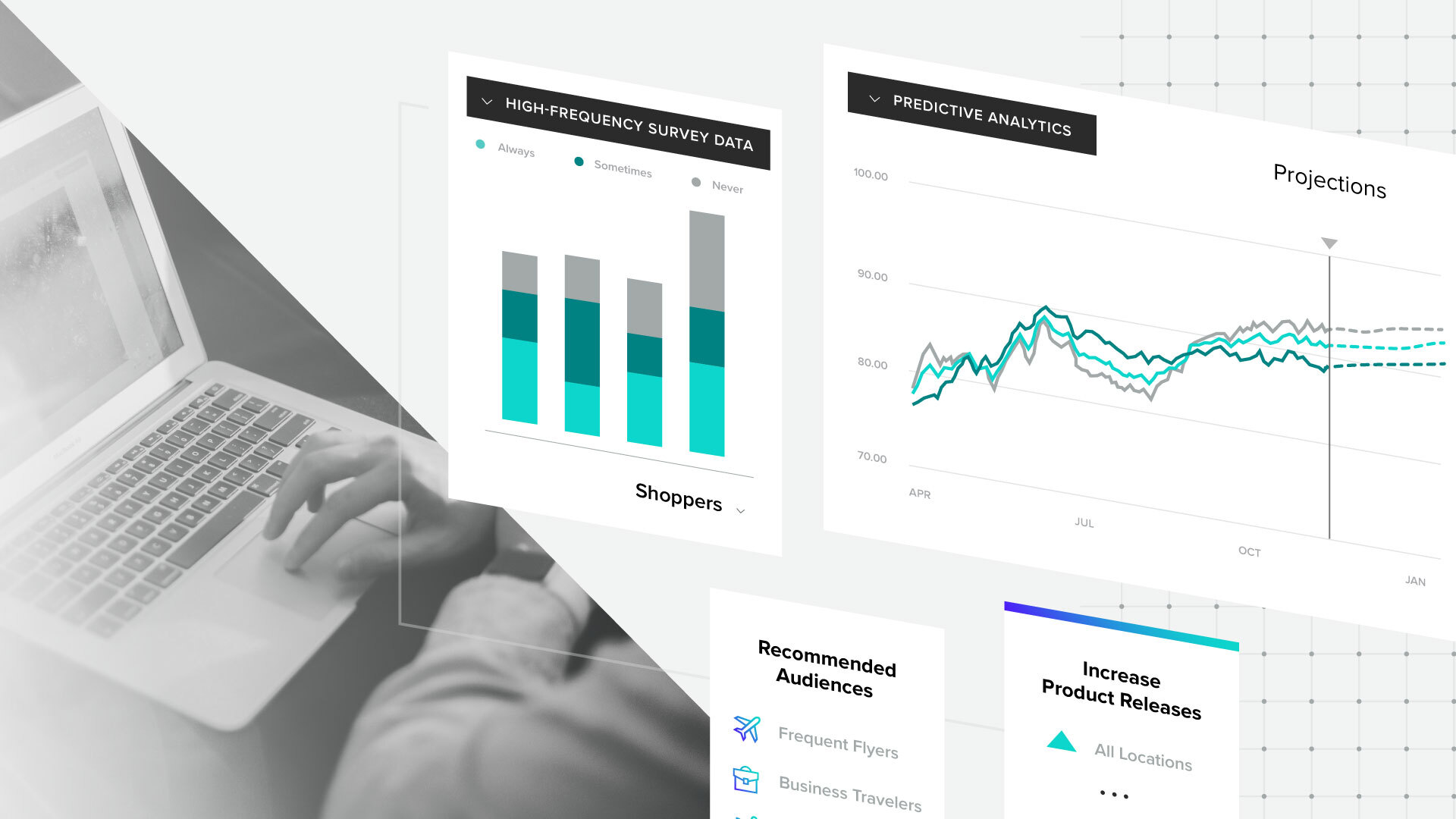
Predictive analytics plays a direct role in how betting companies plan cash flow, manage exposure, and allocate capital. The shift began when live betting overtook pre-match volume. Static financial models stopped reflecting reality. Operators now rely on forward-looking data models to estimate revenue volatility, payout risk, and short-term liquidity needs.

Platforms such as afropari casino demonstrate user behavior signals and transaction flows can feed financial planning systems. These environments allow finance teams to forecast not only turnover but also cost pressure during peak activity windows.
Why Traditional Financial Models Failed in Betting
Classic financial planning relied on monthly averages and historical turnover. That approach breaks under live betting conditions. Live markets compress revenue and risk into minutes. A single event can generate double-digit percentage swings in daily turnover.
Industry reports show that live betting now accounts for more than 60 percent of total sportsbook volume in high-mobility regions. This concentration increases intraday volatility. Finance teams must forecast liquidity at an hourly level, not monthly.

Predictive analytics addresses this gap. Models ingest real-time betting volume, odds movement, and user concurrency. Forecasts adjust dynamically as events unfold. This reduces unexpected capital strain.
Revenue Forecasting Based on Event Dynamics
Revenue forecasting now depends on event-level inputs. Match tempo, score progression, and market depth directly affect betting activity. Predictive models track these variables to estimate remaining turnover potential during live events.

For example, matches with early goals generate higher bet frequency but shorter engagement windows. Models account for this pattern. Finance teams adjust expected revenue and exposure in real time.
Data from large operators indicates that inaccurate live revenue forecasts increase payout variance by up to 8 percent per event. Predictive systems narrow this range. They do not eliminate risk, but they reduce forecast error.
Cost Forecasting and Infrastructure Planning
Operational costs fluctuate alongside betting volume. Cloud infrastructure, payment processing, and fraud monitoring scale with traffic intensity. Predictive analytics helps estimate these costs before they occur.
Finance teams use traffic forecasts to pre-allocate infrastructure capacity. This avoids over-provisioning during low demand and under-provisioning during peak events. Both scenarios carry measurable financial penalties.
Support costs also follow predictive patterns. High live activity correlates with increased payment queries and verification checks. Forecasting these spikes allows cost smoothing across departments.
Exposure Management and Financial Risk
Odds exposure represents direct financial liability. Predictive analytics estimates worst-case payout scenarios based on current bet distribution. Finance teams use these projections to define capital buffers.
Instead of fixed reserve ratios, companies now apply probabilistic thresholds. Models simulate payout outcomes across thousands of scenarios.
Models estimate revenue uplift, cost increase, and payback timelines. Sensitivity analysis tests adoption speed and regulatory overhead. Projects that fail stress scenarios rarely receive capital.
Financial Areas Directly Driven by Predictive Analytics
Predictive systems affect several core financial dimensions simultaneously.
- Intraday liquidity forecasting during live events
- Dynamic exposure limits tied to bet distribution
- Cost prediction for infrastructure and payment processing
These inputs form a continuous planning loop. Finance decisions update as data changes.
Data Quality as a Financial Constraint
Predictive accuracy depends on data consistency. Incomplete event feeds or delayed transaction logs distort forecasts. Finance teams quantify this risk.
Internal audits show that inconsistent data pipelines can inflate forecast error by over 10 percent. Betting companies invest heavily in normalization and validation layers to prevent this.
Data governance has become a financial priority, not a technical one. Clean data directly reduces capital misallocation.
Human Oversight and Model Limits
Predictive analytics supports decisions. It does not replace responsibility. Finance leaders validate model outputs against market context.
Unexpected match events, outages, or payment disruptions still occur. Teams maintain manual override protocols. Predictive systems provide probabilities, not certainties.
Organizations that treat models as advisory tools show lower financial drawdowns than those that automate decisions blindly.
Predictive analytics reshaped financial planning cycles. Annual budgets lost relevance. Rolling forecasts dominate. Weekly and even daily planning sessions became standard.
This shift improves responsiveness. It also increases planning accuracy. Finance teams track variance continuously instead of explaining it after the fact.
Where Financial Planning Is Heading
Forecast granularity will continue increasing. Machine learning models now incorporate external signals such as streaming latency and device usage patterns.
Future systems will tie financial planning even closer to real-time operations. Capital buffers will adjust automatically. Cost forecasts will refresh by the hour.
Predictive analytics will not remove uncertainty. It will define its boundaries. In betting finance, that distinction separates stable operators from fragile ones.
Go to TECHTRENDSKE.co.ke for more tech and business news from the African continent.
Follow us on WhatsApp, Telegram, Twitter, and Facebook, or subscribe to our weekly newsletter to ensure you don’t miss out on any future updates. Send tips to editorial@techtrendsmedia.co.ke


