
As Studios Weigh Selling to Netflix, an Old Decision About Control Is Suddenly Back on the Table
What today’s acquisition talks reveal about a choice Netflix made years before consolidation became unavoidable

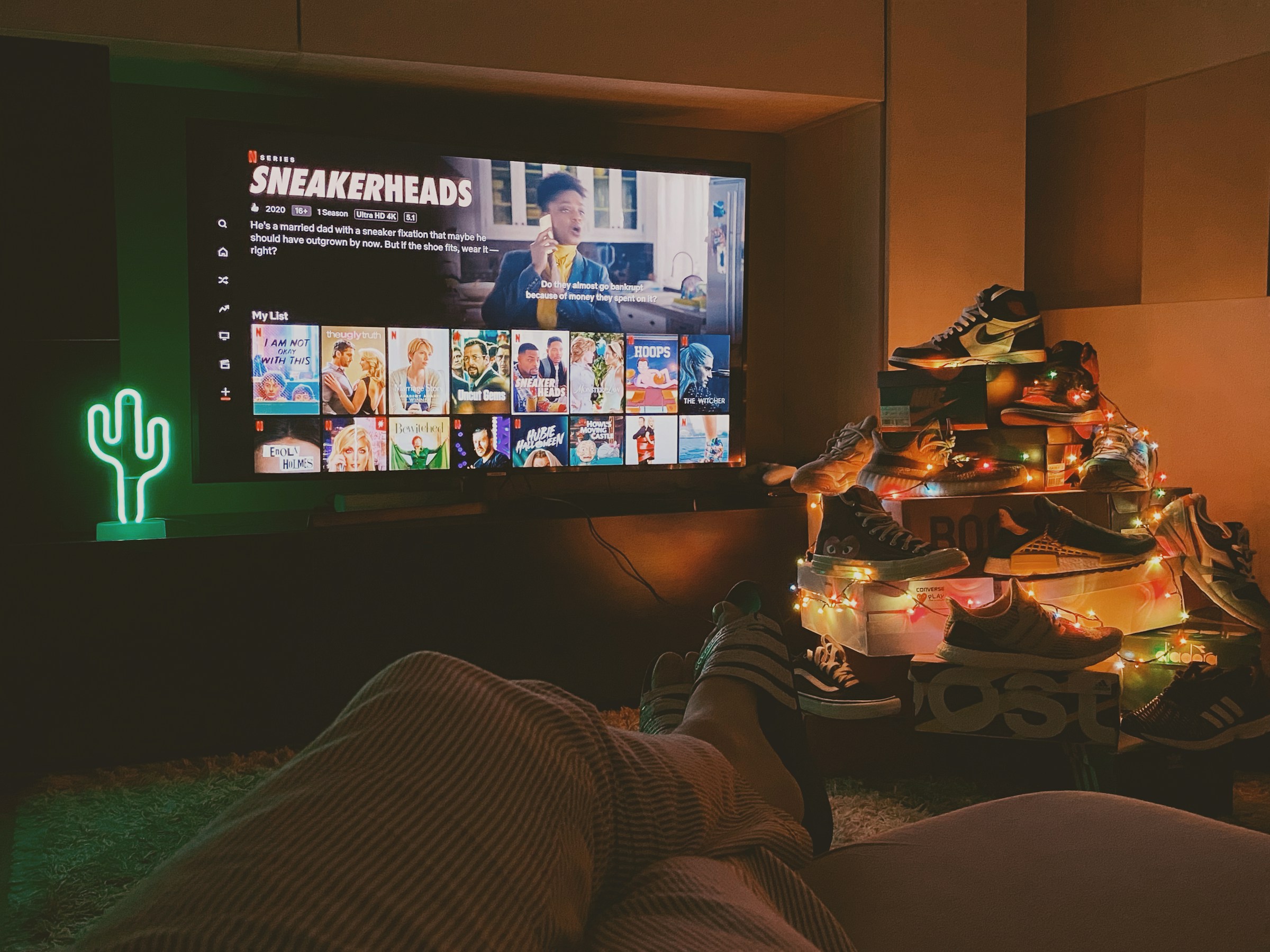
Netflix’s move into original content is often remembered as ambition. A distributor deciding it could compete with Hollywood. A technology platform declaring itself a studio.

That reading flatters the outcome, not the decision.
The real driver was exposure. Netflix understood early that a global streaming business built on licensed content carried a structural weakness that scale would only intensify. Original programming was not a creative statement. It was a control strategy.
Nearly a decade later, the media industry is reliving that logic in real time, as legacy companies debate whether selling themselves to Netflix is safer than competing with it.

Licensing Was a Temporary Advantage, Not a Base
In the early years of streaming, Netflix benefited from inertia. Studios were structured around theatrical windows, cable economics, and long-term output deals. Streaming was treated as a downstream channel.
That imbalance created opportunity, but it was always transitional.

Licensed content arrived late, rotated unpredictably, and belonged to companies whose incentives shifted as soon as streaming proved central rather than peripheral. Every successful title carried a built-in risk: eventual reclamation.
Netflix recognized a contradiction most competitors avoided. The more the platform grew, the more power it handed to suppliers who could reprice, restrict, or remove the very assets driving its growth.
A business built on scale cannot rest on assets it does not control.
Originals Were a Hedge Before They Were a Brand
Netflix’s early originals were not about prestige or cultural positioning. They were about leverage.
Ownership meant control over release timing, global availability, and lifespan. It reduced exposure to sudden catalog erosion and altered negotiations with studios that had previously dictated terms.
Even failed originals served a purpose. They proved Netflix could operate independently. They signaled that licensing was a choice, not a dependency.
In strategic terms, originals were insurance.
Differentiation Became Mandatory as Streaming Fragmented
As more platforms entered the market, licensed catalogs converged. The same shows appeared across services, cycling in and out as contracts expired.
In that environment, user loyalty stopped being about price or interface. It became about attachment. Viewers stayed because they were invested in something they did not want to abandon midstream.
That kind of differentiation cannot be rented indefinitely. It has to be owned.
Original content turned Netflix from a distributor into a destination.
The Warner Bros. Discovery Battle Shows the Endgame
The logic behind Netflix’s move into original content is no longer theoretical. It is now shaping acquisition decisions at the highest level of the industry.
Warner Bros. Discovery’s willingness to consider a deal with Netflix, even as Paramount and its backers press a higher enterprise valuation, reflects a deeper calculation. Netflix is not bidding for legacy television networks or sprawling corporate complexity. It is buying what it understands and controls: content, streaming infrastructure, and scale.
Paramount’s competing bid represents the alternative worldview. Preserve the conglomerate. Keep assets together. Argue that scale across film, television, and networks still offers resilience.
The contrast is revealing. Netflix spent years simplifying its business around ownership and focus. Its rivals are now debating whether complexity is still defensible in a market shaped by streaming-first economics.
This is what strategic foresight looks like when it compounds. Netflix is not chasing deals to survive. Others are deciding whether survival requires joining Netflix.
Data Could Not Justify the Move, Experience Did
From a narrow analytical perspective, original content was a risk. Production costs were high. Outcomes were uncertain. No dataset could guarantee success across genres, languages, or cultures.
Netflix relied instead on accumulated understanding of audience behavior. People do not subscribe for libraries. They subscribe for ongoing engagement that feels specific and personal.
Licensed content, by design, serves someone else’s priorities. Originals close that gap.
A Defensive Decision That Became Structural Advantage
What began as protection evolved into a flywheel. Ownership enabled global launches. Global launches supported scale. Scale allowed experimentation that more encumbered companies could not sustain.
Netflix did not eliminate licensing. It reduced dependency. That distinction explains why the strategy endured.
Survival, Not Storytelling, Was the First Principle
Netflix’s move into original content is often described as a creative turning point. In reality, it was an operational one.
The company recognized that long-term value could not sit on another company’s balance sheet. Control over programming was not about prestige or validation. It was about ensuring that growth did not increase fragility.
Today, as major studios weigh whether selling to Netflix offers more certainty than resisting it, that original calculation looks less like disruption and more like inevitability.
Go to TECHTRENDSKE.co.ke for more tech and business news from the African continent.
Follow us on WhatsApp, Telegram, Twitter, and Facebook, or subscribe to our weekly newsletter to ensure you don’t miss out on any future updates. Send tips to editorial@techtrendsmedia.co.ke
TechTrends Media Podcasts


