
As Netflix Reaches for Warner Bros, Showmax Faces a New Question About What Its Future Catalogue Can Even Look Like
A complex deal with long shadows over Africa’s streaming routes as Netflix pushes ahead and Showmax watches the future of its top tier content hang in the balance

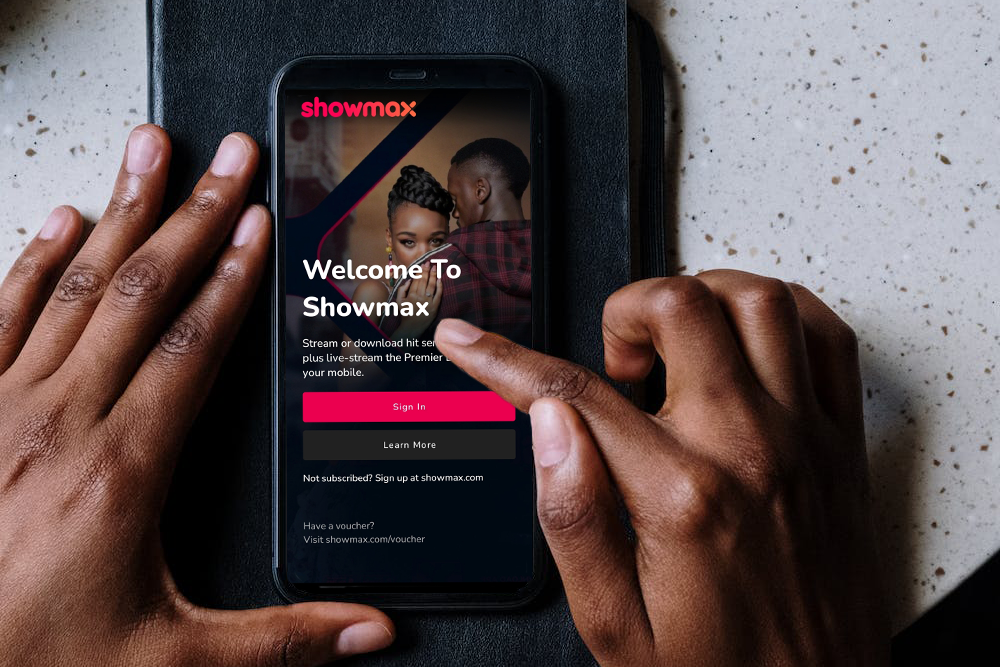
Showmax begins this period with an advantage that sets the stage for understanding how the Netflix and Warner Bros. Discovery deal could influence its future in Africa. It holds one of the deepest HBO and Max libraries outside the United States. This catalogue of prestige titles has shaped viewer expectations across the continent for years. The Last of Us, Succession, The White Lotus, Euphoria, House of the Dragon, Game of Thrones, True Detective. The lineup runs wide and steady and its presence has defined Showmax’s position in the market.

That foundation now sits inside a more unpredictable equation. Netflix’s pursuit of Warner Bros. Discovery threatens to pull a central pillar out of Showmax’s offering. If the merger succeeds, Africa’s most consistent destination for HBO programming could be rerouted to the world’s largest streaming platform. That possibility introduces questions about timing, continuity, and control.
The Weight of a Library That Shaped the Modern Streaming Viewer
Showmax has treated its HBO deal as more than a licensing arrangement. It has built part of its identity around it. The platform attracts viewers who track premium drama with the same attention they give to local formats. It carries newer Max titles such as Task, The Gilded Age, Peacemaker, Hacks, Winning Time, and Mare of Easttown, alongside staples like The Sopranos, The Wire, Veep, Silicon Valley, and long-running late night programming. This mix has anchored the platform during difficult moments.
A potential Netflix takeover of Warner Bros. Discovery would not immediately remove these rights. Licensing agreements follow set calendars with negotiated exit clauses. Some include triggers tied to changes in ownership. Others bind the new parent company to existing timelines. Showmax’s specific terms remain out of view, which turns timing into a central uncertainty.

What Local Investors Are Trying to Protect
This uncertainty explains the urgency behind MultiChoice and Canal+ as they ramp up a broad slate of African originals. The strategy leans on South Africa, Nigeria, and Kenya. Each market provides its own production muscle. South Africa contributes dramas like The Wife, Adulting, Blood Psalms, and Spinners, along with reality series such as The Real Housewives of Durban and The Mommy Club. Nigeria delivers high-engagement titles such as Crime and Justice Lagos, Flawsome, Wura, and Diiche. Kenya brings momentum through The Real Housewives of Nairobi, Single Kiasi, and Pepeta. Showmax continues to test pan-African formats that bring together talent across borders.
The aim is clear. If the Netflix–WBD deal weakens the HBO supply, Showmax needs regional stories with enough pull to retain viewers who once came for Game of Thrones but now remain for The Wife or Pepeta. This is one of the clearest ways the Netflix and WBD consolidation could reshape Showmax’s footing in the market.

Africa’s Regulatory Terrain and What Might Happen Within It
Many will focus on the political tensions unfolding in the United States. Paramount and the Ellison family plan to challenge the merger. Regulators will examine the impact of combining two large entertainment portfolios. What remains uncertain is how African authorities might interpret the consequences. Regulators across the continent usually intervene only when pricing, access, or concentration directly harm consumers. A consolidated Netflix–HBO pipeline would transform distribution, but it may not breach local thresholds. That limits the degree to which Showmax can rely on regulatory protection.
Pricing Pressure and the Possibility of a Rebalanced Market
Netflix has established a pattern in African markets. It prices to expand reach. If HBO content is folded into Netflix’s library, a price increase becomes likely. The resulting product would carry one of the strongest entertainment collections under a single subscription. It would draw high-value viewers while testing households already juggling multiple subscriptions and mobile bundles.
For Showmax, the risk is not only competition. It is churn. A significant share of subscribers use HBO content as their main anchor. If that catalogue declines, the platform will need rapid growth in local originals to hold its base. This is where the impact of the Netflix–WBD deal on Showmax becomes more than a corporate storyline. It becomes a viewer decision point.
What Netflix Might Want in Africa After the Deal
Netflix’s long-term intent in Africa remains unresolved. The company has switched between periods of aggressive commissioning and quieter consolidation. If the merger with Warner Bros. Discovery goes through, Africa could become either a priority growth region or a licensing market managed at distance. Each direction carries implications. A growth focus would intensify pressure on Showmax’s originals. A distant approach would preserve some breathing room but limit Showmax’s edge in prestige titles.
Here, Showmax’s partnership with Canal+ becomes crucial. The French broadcaster brings financing strength and production relationships across the continent. If the HBO library eventually weakens, Showmax will rely on that infrastructure to deliver high-budget African stories with regional pull.
The Future of HBO’s Creative Voice
Another uncertainty carries artistic and commercial weight. HBO’s identity has influenced global television for two decades. Viewers follow the brand as much as its shows. Whether Netflix preserves HBO as a distinct creative arm or absorbs it into its broader workflow will shape how African audiences interpret the change. A preserved identity would keep its prestige intact. A full absorption could blur the clarity that made HBO such a draw.
Showmax cannot control that outcome. What it can shape is the evolution of its own creative identity. That is the reasoning behind deeper investment in African stories, regional talent, local languages, and production teams rooted in their communities.
A Market Entering Its Most Unpredictable Phase
Netflix’s five billion dollar reverse breakup fee signals confidence that the deal will proceed. Paramount’s resistance shows the fight is far from settled. Showmax now operates inside that tension. It is building a catalogue aimed at outlasting external shocks. It is preparing for a market that could tilt without much warning. And it is doing so at a moment when viewer loyalty across Africa has become selective and price sensitive. This is the broader context for understanding how a Netflix and WBD merger could influence Showmax’s future.
Go to TECHTRENDSKE.co.ke for more tech and business news from the African continent.
Follow us on WhatsApp, Telegram, Twitter, and Facebook, or subscribe to our weekly newsletter to ensure you don’t miss out on any future updates. Send tips to editorial@techtrendsmedia.co.ke

