
A Packed Room, a Live Demo, and a Glimpse of Where Kenya’s Daily Transactions Might Head
A Nairobi crowd watched a simple phone tap unfold into a moment that hinted at how ordinary trade might change in ways no one can fully predict

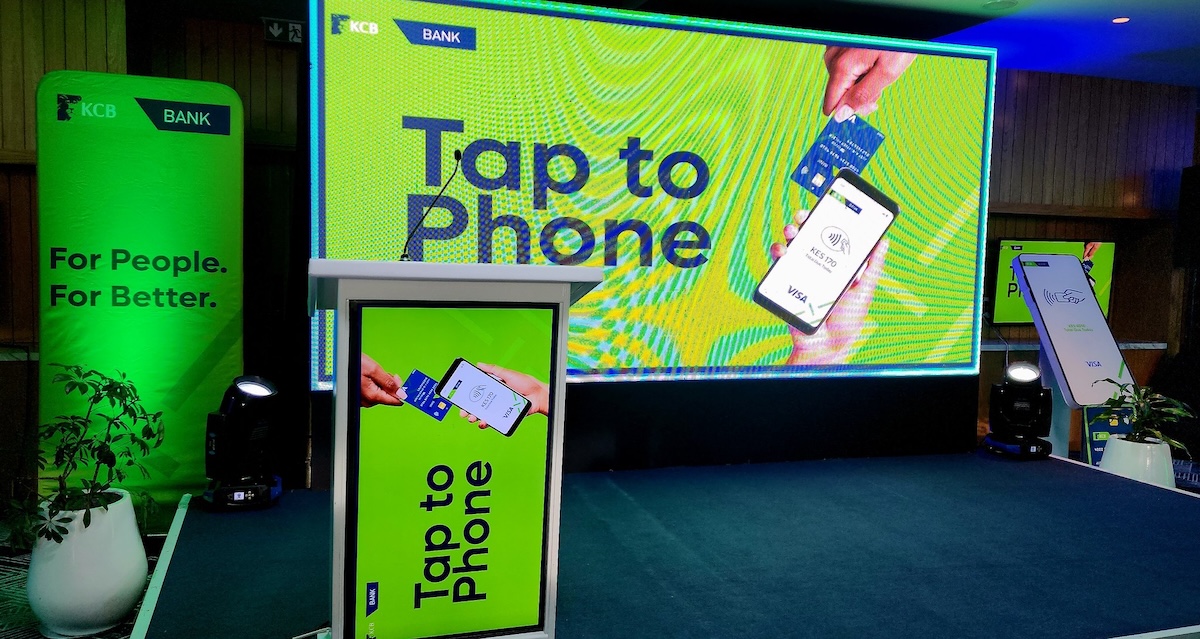
Last evening, KCB and Visa gathered merchants, partners, and a crowd of regular customers to unveil something that looked simple on the surface. A phone, a card, a tap. Yet the ease of the gesture said a lot about where Kenyan commerce is moving. The Tap to Phone setup that KCB and Visa introduced is not a tidy marketing moment. It is part of a wider reordering of how small businesses handle money and how global networks settle into street-level trade.

The atmosphere felt closer to an open-floor forum than a staged rollout. People compared notes, greeted familiar faces, and watched speakers try to hold the room’s attention while also reading from their prepared remarks. That tension often reveals what an institution is trying to get right. And on this evening, both KCB and Visa seemed intent on meeting merchants where they are, rather than issuing a polished pitch.
The Room Where Phones Become Payment Terminals
One of the clearest moments came when Craft Silicon Founder and Group CEO Kamal Budhabhatti stepped forward for the live demonstration. His presence altered the tempo. He was less formal, more interested in showing what happens when a tourist or local tries to navigate a marketplace using a simple app called TouristTap.
Watching him work through the interface, with occasional pauses caused by cables refusing to cooperate, made the technology feel grounded. The audience followed along as he tapped a Visa card on a phone and watched the payment travel across the system. Money moved from card to mobile wallet without the usual detours through tills or hardware. The sequence had none of the choreographed crispness common at corporate showcases. Instead, it showed the system under real conditions, which sometimes tells you more.

Budhabhatti’s example of a visitor paying for something small in a shop, using their own device, hinted at how the product may settle into daily life. Tourists often struggle with local payment norms. Traders often find card tools expensive or cumbersome. Putting the two groups on the same simple path could bring a new kind of transactional fluency.
Merchants Push the Conversation Further
Earlier in the evening, KCB’s speakers described the long arc of merchant needs and frustrations. They talked about feedback that comes in the form of complaints, questions, or requests. It is never neat. Yet those exchanges seem to feed directly into the bank’s digital experiments. Several managers acknowledged that the Tap to Phone rollout is happening because merchants asked for tools that fit their routines without adding cost or complexity.

There is a gap between saying this and proving it, of course. Tap to Phone will be judged by how it behaves on a busy day when a trader has no time to troubleshoot. Kenya’s appetite for digital commerce keeps rising, but the decisions that matter most happen at the counter. A lag in approval can sour a merchant on a system faster than any press release can repair.
The conversation around card adoption now includes younger vendors who treat NFC-ready phones as normal work tools, as well as older shopkeepers who prefer predictability. Bridging those preferences is one of the real hurdles here. The event did not shy away from that. Instead, managers invited questions and encouraged people to try the system with the relationship teams stationed around the room.
A Wider Current in Kenya’s Payment Story
Digital payments in Kenya continue to expand as more people rely on mobile wallets, cards, and online platforms for everyday spending. According to recent data referenced during the evening, a growing share of adults now make digital payments to businesses each year. That pattern creates a foundation for Tap to Phone, but it also raises the stakes. As digital adoption grows, the expectations around security, speed, and ease grow with it.
Visa’s representatives reminded the room that the company processes tens of thousands of transactions each second worldwide. That kind of volume drives their focus on fraud prevention and system reliability. When a merchant turns their phone into an acceptance device, those same protections come with it. The remark drew nods from traders who worry about risk every time they hand a customer a payment option.
Still, broader questions remain. Will informal sellers accept the tool in places where bargaining is part of the buying experience? Will tourists trust a system that asks them to tap a card onto a stranger’s phone? And how will regulators treat these flows as they become more visible? Each of those threads could bend this idea in new directions.
The Small Moments That Hint at What Comes Next
The countdown to the launch, complete with a short pause as the media team checked the setup, felt almost improvised. People leaned in, counted together, and then watched the confirmation splash across the screen. The applause that followed came less from spectacle and more from curiosity. Many in the room have been waiting for a tool that simplifies their work.
After the plaque photos and the demo simulation, conversations broke into smaller pockets. Some traders asked how the system handles refunds. Others wanted to know whether the app will change the cost of doing business. And a few, seeing the live TouristTap demonstration, wondered aloud how quickly tourists might adapt.
These fragments of dialogue matter more than the polished statements. They show where the real momentum lies. If Tap to Phone becomes routine across small marketplaces, it will not be because of a single event. It will be because people found that tapping a card on a phone solved a problem they already had.
The Event Leaves a Trace, Not a Finale
Nothing about the evening suggested a finish line. Instead, the event worked as a checkpoint in a longer effort to make digital payments feel less like a special feature and more like part of the ordinary flow of trading. KCB and Visa now face the slow work of persuading merchants, training teams, and improving features based on what users report in the coming months.
Kamal Budhabhatti’s demo may end up being the strongest imprint of the night. It showed how a tool built in Nairobi can meet a tourist halfway, or even help a vendor who has never handled card payments before. Whether that convenience spreads widely will depend on trust, reliability, and the everyday choices of people who prefer tools that do not get in their way.
For now, the phone tap stands as a small but telling gesture. Not a spectacle. A hint of how commerce in Kenya continues to evolve, one interaction at a time.
Go to TECHTRENDSKE.co.ke for more tech and business news from the African continent.
Follow us on WhatsApp, Telegram, Twitter, and Facebook, or subscribe to our weekly newsletter to ensure you don’t miss out on any future updates. Send tips to editorial@techtrendsmedia.co.ke

