A Holiday Ad Shot on iPhone That Feels Handbuilt While Coke Wrestles With Its Digital Shortcut
Apple leans into physical craft at a moment when big brands are tripping over their own AI shortcuts, and the contrast keeps widening in ways that say plenty about where attention is drifting this season

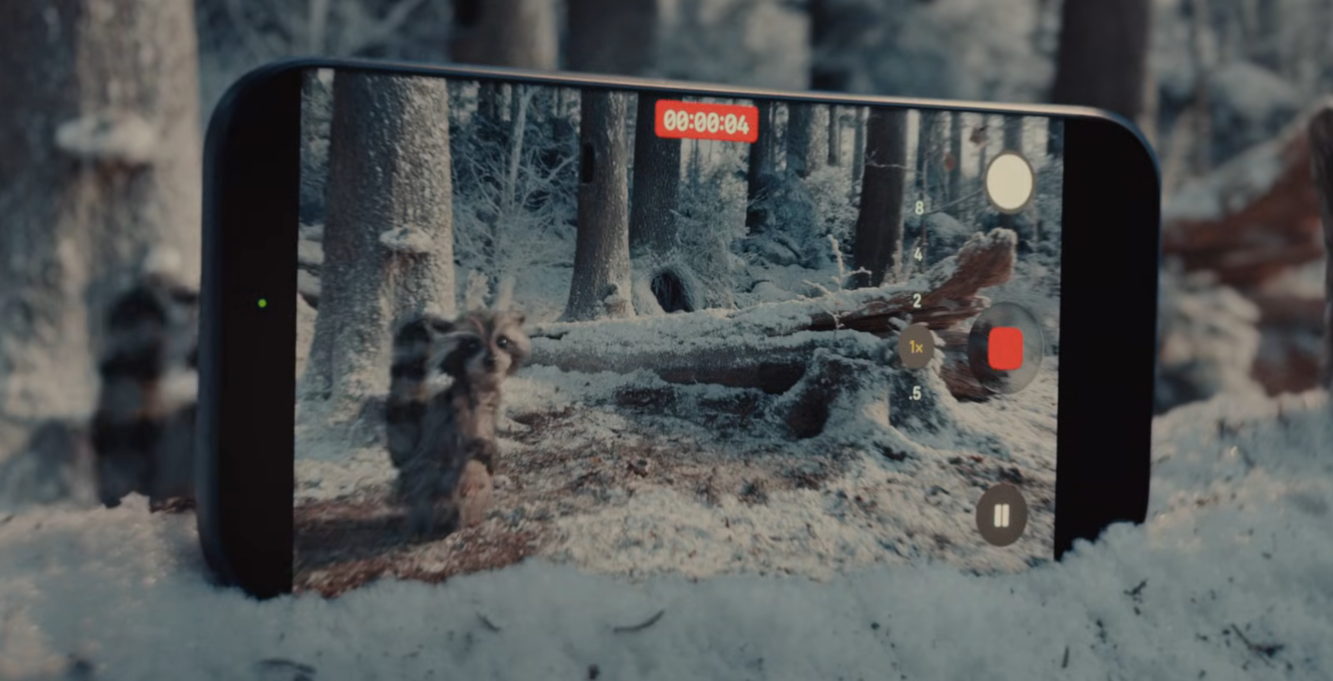
Apple’s shot on iPhone 17 Pro holiday ad arrives at a moment when brand films often feel interchangeable. Smooth surfaces and synthetic polish have become the default language of corporate storytelling. Apple stepped outside that pattern. The company built a holiday piece rooted in analog choices, real sets, and quiet gestures captured through its own hardware. It feels studied without drifting into self-importance.

Coke sits on the other side of the season. The brand pushed out an AI-generated holiday film with visual errors that distracted rather than charmed. Viewers caught those mistakes within minutes. Apple went the opposite direction. The company doubled down on labor. The ad is compact. It leans into texture. It trusts the lens to observe rather than overpower. That trust gives the piece a sturdier presence.
The contrast has become a cultural touchpoint. And it reaches beyond one holiday spot.
How the Apple TV Mnemonic Extends the Same Creative Instinct
Around the same time, Apple introduced a new Apple TV mnemonic made entirely by hand. Viewers who assumed it was digital missed the real story. A team at MAL built a giant glass sculpture of the Apple TV mark in a London studio. They shaped it, lit it, and filmed it in real space. No synthetic renders. No shortcuts. Every glimmer in the final piece came from physical work.
It is rare to see a streaming platform rebrand itself through an object molded from glass. The choice represented a deeper commitment. Apple’s in-house creative group and MAL didn’t try to impress through spectacle. They took a slower path. The sculpture’s weight mattered. Light passing through real glass mattered. The imperfections of the material mattered. Together, those elements produced a mnemonic that feels like an artifact rather than a digital emblem.
This connects directly to the shot on iPhone 17 Pro holiday ad. Two different creative outputs, one underlying philosophy. Apple wants its work to feel touched.

Why Analog Techniques Carry Weight Again
There was a stretch when brands treated analog technique as a novelty. That moment has passed. Something broader is happening. People have been overwhelmed by synthetic media. Every platform feeds them a steady stream of content shaped by the same digital fingerprints. That creates fatigue. It dilutes emotional presence.
Analog craft cuts through that noise because it slows the frame down. It gives shape to time. It invites the viewer to notice small details that would disappear in a fully digital pipeline. In the holiday ad, the movement of a handmade prop matters. In the Apple TV mnemonic, the shift in color through the glass becomes its own form of storytelling. These are subtle choices, yet they build a world viewers can feel with some degree of certainty.
Coke’s recent misstep shows the other path. AI-driven work can be quick. It can be efficient. Yet when the execution falters, the distance between intention and output widens. Viewers can sense that gap right away. The film Coke released created that kind of rupture. Apple’s work avoids it because the material effort is part of the message.
A Tension Between Speed and Labor
Modern marketing teams often revolve around speed. They need high-volume content. They need rapid iteration. They need work that can move without friction. Analog methods disrupt that cycle. Physical sets require planning. Glass sculptures require precision. In-camera work requires rehearsal. There is no instant undo button.
Apple made a deliberate choice to embrace that friction. It yields a different tone. There is a steadier rhythm inside the shot on iPhone 17 Pro holiday ad compared to the hyper-edited content flooding social feeds. A steadier rhythm signals a different kind of creative intent. It tells the viewer that the company is not chasing the algorithm. It is trying to hold attention through presence, not volume.
Coke’s approach this season fit the opposite logic. The brand needed scale. It leaned on generative tools that promised short timelines and broad reach. The outcome exposed the risk of treating efficiency as the highest metric.
How Apple’s Approach Strengthens Its Hardware Story Without Saying It Out Loud
One interesting detail in the holiday ad is how the iPhone 17 Pro appears without vanity. The camera capabilities are shown through natural conditions. Low light. Real reflections. Slight imperfections in handheld movement. There is no hard sell. No bold claim. The viewer simply watches the device observe a small story.
By tying the ad to analog craft, Apple places its hardware in a position of support rather than spectacle. The camera becomes a tool for practical filmmaking, not a device waiting for synthetic polish. That might be the most subtle part of Apple’s strategy. It reframes what smartphone cinematography can communicate when it is not drenched in effects.
It also aligns with the handmade Apple TV mnemonic. Both pieces elevate physicality as a design value. They show that even digital platforms benefit from tactile roots.
Reintroducing Color as a Creative Reset
The Apple TV mnemonic’s use of color reads as a nod to the company’s 1977 logo. Not through nostalgia. Through a reminder that visual identity can carry history without relying on repetition. The glass object does not mimic the rainbow stripes exactly. It uses color as a living element. Light passes through it. The hues bleed into each other. The viewer senses a lineage rather than a replica.
This use of color intersects with the holiday ad’s analog framing. When work feels handcrafted, color becomes more than decoration. It becomes a tonal guide. A mood. Brands often overlook this. They default to flat palettes optimized for digital compression. Apple’s direction suggests a renewed interest in color as environment rather than ornament.
The Coke Contrast and What It Reveals About Brand Decisions
Coke’s misfire sits in the background of all of this. Audiences noticed inconsistent vehicle sizes in its synthetic holiday piece. That detail overshadowed the entire film. The company became an example of what happens when automation moves faster than judgment.
Apple’s work feels like a counterpoint. Not confrontational. More observational. It suggests that audiences still respond to visible labor. When people understand that something was made with hands, tools, materials, and patience, it changes their relationship with the work.
Coke has the resources to recover. The brand has decades of storytelling muscle. What makes this moment interesting is the divergence in method. Apple embraced physical effort at the exact moment Coke tried to bypass it.
What This Creative Turn Could Set in Motion
Other brands will study Apple’s choices. Some will treat analog craft as a trend. Others will understand it as a structural decision. If digital excess has diluted emotional clarity, then tactile work becomes a counterweight. Not for nostalgia. For grounding.
We might see a return to miniature sets. Practical lighting. Physical typography. Camera crews shaping real environments rather than relying entirely on virtual construction. These techniques will not replace digital production. They will sit beside it, providing an alternative route for meaning-making.
If Apple continues on this path, the company’s identity could tilt toward a more craft-driven aesthetic. The Apple TV mnemonic and the shot on iPhone 17 Pro holiday ad form an early case study. Both prioritize physical texture over computational trickery. Both trust the viewer to respond to detail. Both carry enough restraint to avoid spectacle for its own sake.
A New Creative Baseline Taking Shape
Apple is not presenting itself as a savior of craft. The company is too seasoned for that. What it is doing is paying attention to how audiences react to creative shortcuts. The Coke episode made that reaction loud enough for other brands to notice.
The handmade Apple TV mnemonic and the holiday ad share a common posture. They lean toward honest material presence at a time when many companies are tempted to cut corners. That posture may influence the next wave of brand storytelling, not through hype but through patient demonstration.
The season’s comparison has revealed a simple truth. People can sense the work behind an image. They respond when that work feels grounded. Apple trusted that instinct. Others may follow.
Go to TECHTRENDSKE.co.ke for more tech and business news from the African continent.
Follow us on WhatsApp, Telegram, Twitter, and Facebook, or subscribe to our weekly newsletter to ensure you don’t miss out on any future updates. Send tips to editorial@techtrendsmedia.co.ke

