
The Podcast Backlog Is Out of Control and Pocket Casts Thinks It Has a Way to Steer the Chaos
As podcast libraries balloon, Pocket Casts tests whether more structure can give people a clearer path through the noise

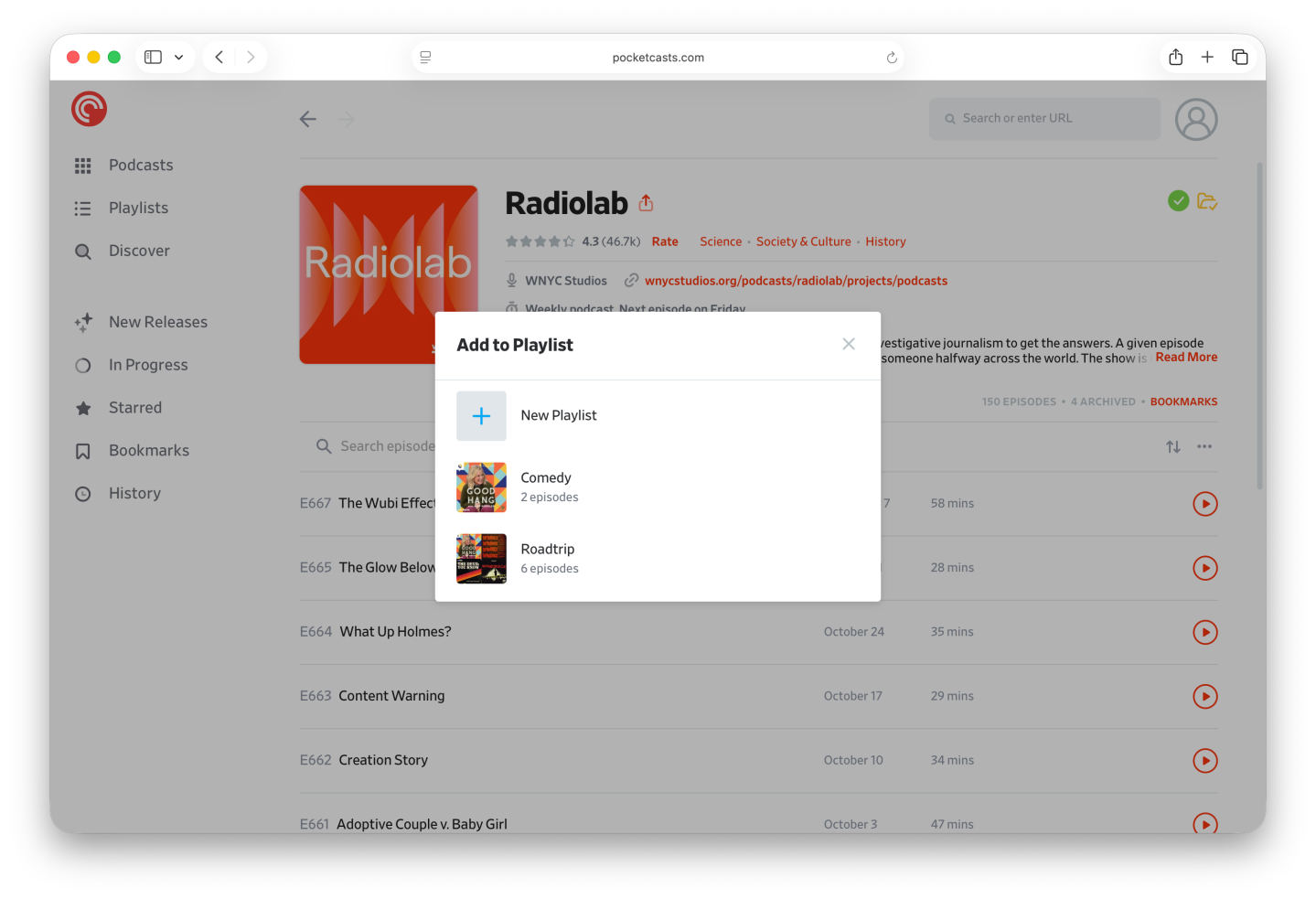
Pocket Casts is trying to solve a problem that has been building for years. Podcast archives grow every minute. Episodes pile up. People improvise with makeshift queues or keep repeating the same three shows because discovery takes too much effort at the wrong time. Pocket Casts playlists answer a practical question that surfaces in daily listening: how do you regain some control when everything seems available and nothing feels organized?

The feature lands with a certain practicality. It is not dressed up as a revolution. It behaves more like a structural fix for a medium that expanded faster than its tools. And the timing makes sense. More listeners want sequence rather than a scattered feed, especially when they treat podcasts as a steady companion on commutes, errands or winding down at the end of the day.
Why Playlists Feel Different in a Podcast Context
Music apps solved sequencing ages ago, yet podcast players rarely took that path. Several factors slowed it down. Podcasts vary wildly in length and tone. A ten-minute news brief sits next to a two-hour interview, and people rarely consume those formats the same way. Even dedicated fans hop between genres depending on mood or available time.
Pocket Casts playlists take advantage of that complexity by giving users power over order, duration and thematic flow. A morning news run can start with short bulletins then move into a deeper interview. Someone studying a topic can stack episodes across unrelated shows. Travelers can build hours of uninterrupted listening without digging through an interface at every stoplight. The tool folds these use cases into a single workflow instead of forcing listeners to rely on half-built queues.


The Smart Playlists Layer and Its Implications
The manual approach is straightforward. The automated layer says more about where the platform wants to position itself. Smart Playlists use rules to scoop episodes together by release date, duration, or other attributes that, until now, required constant maintenance. This replaces the older filters system which always felt like a halfway solution. The new structure sits closer to how people actually use the app.
Automation also hints at larger ambitions. If Pocket Casts can read patterns in how episodes group together, it could later integrate listening behavior, time-of-day habits or even show clusters that form naturally over months of use. Nothing in the current release states that direction outright, yet the architecture points toward a future where playlists quietly evolve with the listener’s routines.

Why This Arrives Now
Pocket Casts has been adjusting its strategy in public view. It recently opened up a free tier on the web and desktop, lowering the barrier for users who prefer to manage listening on a larger screen. Adding playlists at this moment serves that change. As people organize their digital media across multiple devices, structured listening becomes more valuable than a simple chronological feed.
There is also the competitive backdrop. Podcast players face pressure from larger platforms that bake in their own ecosystems. Pocket Casts cannot compete on scale, so it competes on usability. Playlists fit into that lane by strengthening the core experience without relying on flashy add-ons.
The Listener’s Angle
For many people, podcast listening sits between habit and improvisation. You follow familiar hosts, then wander into something unexpected. Playlists blend those modes. Someone can build a tight weekday routine then leave an open-ended sequence for late nights or long drives. It is a small tool that meets listeners where they already are.
There is also a subtle psychological effect. When your backlog stops feeling unwieldy, you explore more. You start combining formats that usually live in separate silos. A science interview next to a comedy show. A long documentary followed by a short news hit. These blends shape how people move through the medium, not just what they choose on any given day.
What Could Come Next
If Pocket Casts leans further into customizable structure, it may create a listening environment that feels more like personal broadcasting. Users might one day maintain rotating collections that refresh themselves as new episodes drop, similar to radio blocks. Or they might assemble thematic runs that grow dynamically as trends shift in global news or entertainment.
There is room for deeper integration across devices as well. Once playlists stabilize as a core part of the app, smarter syncing could support priority settings, time-based modes or a quiet handoff between phone and desktop without user intervention. Pocket Casts has not announced any of this, yet the foundation opens paths the service did not have before.
A Platform Learning How Listeners Actually Listen
Podcast apps often live in the shadows of the shows themselves. The medium thrives on personality, not infrastructure. Even so, infrastructure shapes how far people explore. Pocket Casts playlists step into that role by reorganizing a medium that outgrew its basic tools.
The update will not alter the podcast world overnight. It will, however, encourage people to use their libraries in more intentional ways. That is the part worth watching. When listeners build their own sequences, patterns begin to form that reveal how the medium is evolving. Playlists may start as a convenience feature, yet they could become one of the clearest clues about where podcast consumption is heading next.
Go to TECHTRENDSKE.co.ke for more tech and business news from the African continent.
Follow us on WhatsApp, Telegram, Twitter, and Facebook, or subscribe to our weekly newsletter to ensure you don’t miss out on any future updates. Send tips to editorial@techtrendsmedia.co.ke

