
How a Nightly Charge Became a Silent Tug of War Between Convenience and Battery Chemistry
How a lifetime of small charging decisions slowly shapes the fate of every phone we own

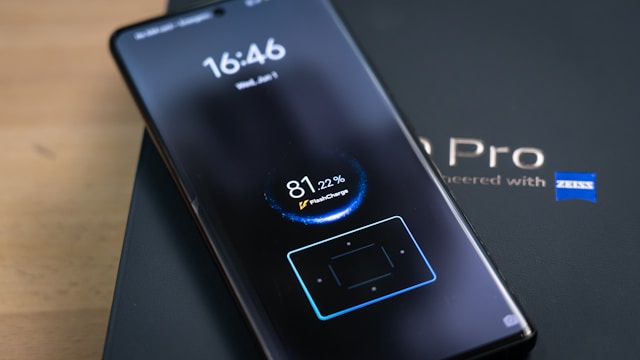
Most people plug in their phones without a second thought, treating the nightly charge like a routine chore. Some let the battery drain to zero. Others keep a cable close and top up throughout the day. These patterns feel harmless, familiar, part of the rhythm of smartphone life. Yet inside every device sits a battery chemistry that ages, adapts and responds to how we treat it.

A belief has grown around the idea that a phone should never reach a full charge. The idea sounds plausible on the surface. A battery is full, so the reasoning goes, and the extra power has nowhere to go. That picture of overflow feels intuitive, shaped by the way people imagine electricity as a kind of rising level inside a container. Add stories about overheating devices and portable battery packs catching fire and it becomes easy to believe that the danger lies in those final few percentage points.
The truth is more layered. Phone makers build buffers and safety limits directly into the hardware. And the chemistry inside lithium-ion cells behaves very differently from the older rechargeable batteries many people grew up with. The old rules lingered, even after the technology changed.
Where the idea came from
Before smartphones relied on lithium-ion cells, portable electronics used nickel-cadmium and later nickel-metal hydride batteries. Those older types suffered from what became known as the memory effect. If they were repeatedly charged before being drained, they settled into a lower usable capacity. People learned to let batteries run flat, then refill them fully in order to avoid those losses. That advice spread widely and stuck around long after these chemistries faded out.


Modern lithium-ion cells do not behave this way. They degrade in a different pattern, driven mainly by repeated cycling, heat and prolonged time spent at extreme charge levels. That means the old routine of full discharge and full recharge no longer offers any benefit.
What the chemistry is actually doing
Inside a lithium-ion battery, energy storage relies on the movement of lithium ions between two materials. When a phone charges, lithium moves into the graphite side. When the phone is used, the ions return toward a cobalt-based structure. The battery never empties or fills completely. Each manufacturer leaves margin on both ends to prevent the chemistry from reaching damaging extremes. That is why a battery reading 100 percent is not literally at its chemical limit. It is simply at the top of its intended operating range.

Charging to 100 percent still places more stress on the materials than stopping earlier, but it is still within the engineered boundary. The battery is designed to handle it. Problems appear only when a device stays at that level for long periods, such as overnight on a hot surface or under a pillow. Heat accelerates wear, and lithium-ion cells respond poorly to high temperatures.
Why full charges feel riskier than they are
People often see warnings about optimized charging on newer phones. Apple devices, for example, learn a user’s routine and slow down charging after reaching around eighty percent, finishing the last part closer to morning. This feature helps reduce wear in situations where a device sits plugged in for long stretches. Android manufacturers use similar strategies. These software tools often reinforce the idea that a full charge is inherently harmful. In reality, the focus is not on preventing catastrophic failure but on moderating long-term aging.
The bigger safety risk sits elsewhere. A poor-quality charger can deliver unstable current, heat up the device and push the battery harder than it should. Phone makers test their own chargers against strict standards, but counterfeit and off-brand accessories often skip those protections. When rare incidents of fires or swelling batteries make headlines, the cause is typically a damaged cell or an unsafe charging source rather than the act of filling the battery to full.
How to think about daily charging now
Experts who study battery chemistry often treat convenience as part of the equation. Plenty of people charge their phone fully every night because they want a full day of use. That habit is unlikely to cause sudden failure. What it does do is increase wear at a slightly faster rate. Instead of a battery that remains strong for four or five years, the lifespan might shorten to three. Many users decide that the trade-off is worth it.
For those who want to stretch their battery’s health, there is a simple approach. Keep the device between roughly twenty and eighty percent most of the time. Charge in smaller, regular intervals rather than waiting for the battery to drain. Avoid exposing the phone to heat, especially when plugged in. And use chargers from reputable brands or from the manufacturer itself.
These guidelines help the battery age more gracefully, but none require strict discipline. Modern phones already prevent the extremes that cause serious damage. They moderate current, control temperature, and slow the charging rate near the top of the range.
The balance between habit and design
Smartphones have grown more capable, but the basic nature of lithium-ion cells has not changed much. Manufacturers work around those limits with software, hardware margins and smarter charging patterns. Users bring their own habits, shaped by convenience, routine and myths inherited from a different era of portable tech.
The gap between those habits and the underlying chemistry is where confusion begins. A full charge is not a threat waiting to happen. It is simply another point along a cycle that repeats hundreds of times over the life of a device. How long that life lasts depends less on an occasional full charge and more on heat, accessories and the regular wear of everyday use.
What matters most is not perfection but awareness. A battery ages no matter what. The goal is not to freeze that process but to understand how it works, then make choices that fit your own balance of convenience and longevity.
Go to TECHTRENDSKE.co.ke for more tech and business news from the African continent.
Follow us on WhatsApp, Telegram, Twitter, and Facebook, or subscribe to our weekly newsletter to ensure you don’t miss out on any future updates. Send tips to editorial@techtrendsmedia.co.ke

