
Spotify’s Long Year Between Progress and Protest Comes to a Close With Wrapped 2025
A year that made Spotify question what kind of platform it really wants to be while trying to polish its image faster than trust could catch up

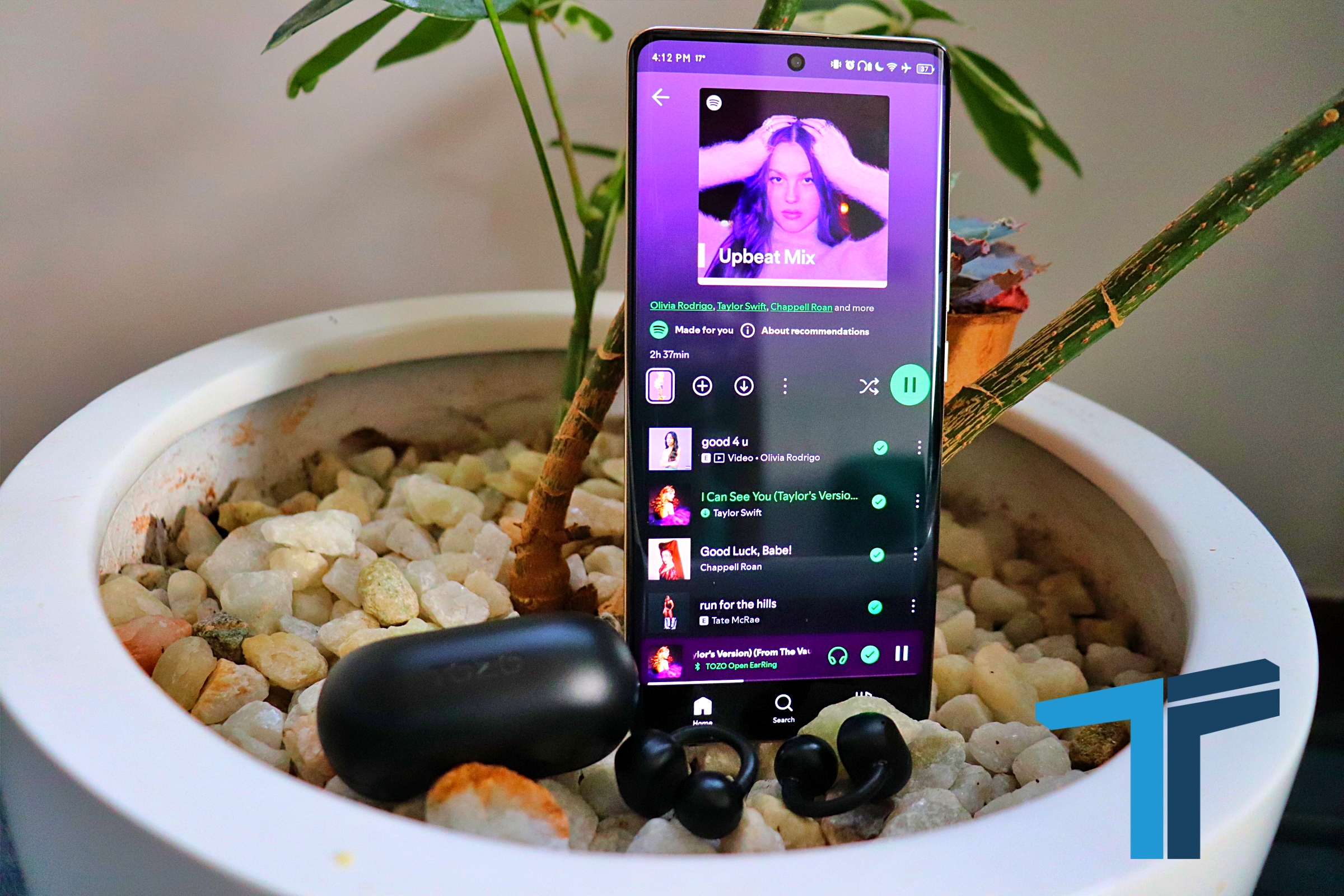
Spotify Wrapped 2025 is nearly here, but the company has already lived through a year that tested its identity. Behind the parade of new features — Lossless audio, Spotify Mix, and in-app messaging — lies a deeper story about control, culture, and credibility. Spotify is rebuilding its product even as parts of the artist community turn away from it.

In the same year Spotify finally gave listeners high-fidelity sound, many musicians were pulling their catalogs in protest. Their frustration wasn’t just about corporate ethics but about what the platform has become: a space increasingly shaped by automation, convenience, and what one critic called “AI slop.”
Leadership Shuffle and the PR of Progress
When Daniel Ek stepped aside in October to become Executive Chairman, it was framed as a natural transition. But it came amid growing tension — artists like Massive Attack, King Gizzard, and Deerhoof left in response to Spotify’s ties to an AI weapons firm, Helsing. At the same time, the company pushed through a wave of consumer-facing updates, from redesigned discovery tools to moderation systems for AI-generated music.
The sequence looked less like coincidence and more like narrative management. Each new feature carried a dual purpose: improving the product while softening the blow of reputational damage.


The Feature Flood: Spotify’s Bid to Reclaim Trust
Spotify’s new toolkit — from Lossless streaming to AI DJ upgrades, Smart Filters, and Mix — made this one of its most technically ambitious years. It was also a bid to remind users that innovation still runs through the app’s core.
Lossless streaming arrived quietly but symbolically, closing a five-year gap with Apple Music. Spotify Mix, the new playlist blender, blurred the line between listening and light DJing. Messaging and Smart Filters gave structure to what had long been a cluttered interface.

Together, they offered a version of Spotify that feels sharper, more tactile, and more personal — even as its underlying catalog grows less human.
Spotify’s AI Dilemma
As streaming models matured, AI crept into the ecosystem with little friction. Spotify’s own investigation this year revealed 75 million tracks removed for “spam tactics”: mass uploads, duplicate songs, and artificially short tracks designed to boost royalties. The company also introduced a tool for artists to disclose if they used AI — though it stopped short of making it mandatory.
The gesture was framed as “transparency,” but it raised a sharper question: transparency for whom? For musicians already displaced by AI content mills, it looked cosmetic. For critics, it confirmed the platform’s dependence on volume — any sound, real or synthetic, as long as it keeps people streaming.
Across Europe, AI-generated artists like Let Babylon Burn and Enlly Blue have racked up millions of monthly listeners. Their bios openly mention “AI-enhanced creativity,” but few users notice. Spotify even grants them “This Is” playlists, the same editorial validation it gives to real artists. The boundary between music and mimicry is now blurred by design.
Artists Push Back
The exodus of indie acts this year — from Sylvan Esso to Xiu Xiu — wasn’t just symbolic. It exposed a fracture between Spotify’s commercial model and the culture it claims to support. Musicians are leaving not only over politics but over what they see as the erosion of artistic integrity.
The irony is that Spotify’s attempts to police AI have coincided with its own reliance on it. Its most public-facing innovation, the AI DJ, now takes voice prompts and text inputs to tailor playlists in real time. But its underlying logic mirrors the same algorithmic feed that flooded the platform with low-grade generative tracks.
The platform that once sold discovery is now fighting to preserve authenticity.
The Human Thread Still Holding
For most listeners, the noise around AI or executive reshuffling fades behind the everyday habit of listening. That’s what Spotify still understands better than anyone — how to make routine feel rhythmic.
The best of its 2025 updates weren’t headline tricks. They were practical fixes: letting users disable Smart Shuffle, hide the intrusive Create button, and even remove individual songs from their Taste Profile to avoid polluting their Wrapped. Those gestures matter because they return some control to the listener — a rare thing in a landscape increasingly shaped by automation.
Before Wrapped, a Reckoning
Spotify Wrapped 2025 will soon fill social feeds with pastel graphs and shareable stats. But the platform entering that annual celebration isn’t the same one that began the year. It’s wrestling with the question of what “music” means when machines can make it faster, cheaper, and harder to distinguish from the real thing.
The year’s biggest experiment wasn’t Lossless or Mix or AI DJ. It was whether Spotify can rebuild trust while the ground beneath the industry keeps mutating — whether the most influential player in music can still convince people that listening is a human act.
Go to TECHTRENDSKE.co.ke for more tech and business news from the African continent.
Follow us on WhatsApp, Telegram, Twitter, and Facebook, or subscribe to our weekly newsletter to ensure you don’t miss out on any future updates. Send tips to editorial@techtrendsmedia.co.ke


