
How The Louvre Heist Sparked A Reckoning Over Passwords Privacy And Digital Control
A heist that stole more than art it cracked open our sense of safety in the digital world

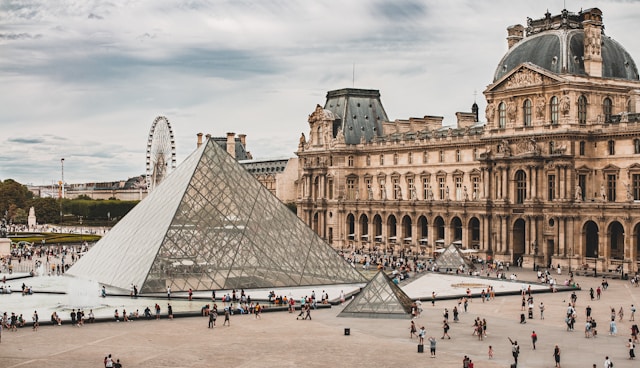
Even the world’s most guarded museum fell to a password anyone could guess. The breach tells a larger story about how fragile our digital walls have become.

The Louvre wasn’t supposed to be this exposed. Yet when investigators revealed that the museum’s surveillance system used a password as basic as “Louvre,” the story became less about stolen art and more about the thin veneer of security we all live under.
In Paris, the museum’s leadership is still reeling. The public, meanwhile, is beginning to see something deeper: a quiet truth about how passwords, networks, and institutions built for another century now carry the weight of 21st-century risks.
A Password That Unlocked More Than Cameras
When Philippe Lemoine first posted about the discovery online, disbelief spread faster than any official statement. The idea that a global museum with one of the world’s most visited security systems could rely on a single, predictable password felt absurd. Yet the evidence kept stacking up.


Forensics reports now suggest that the system may have been running on Windows XP—software abandoned by Microsoft more than a decade ago. That combination of weak authentication and outdated infrastructure reads like a case study in what cybersecurity experts warn about every year: institutions underestimate the basics.
The Louvre’s vulnerability wasn’t a glitch. It was the product of complacency, bureaucracy, and a misplaced faith that legacy systems could remain invisible long enough to avoid being tested.

Where Prestige Meets Obsolescence
For many cultural institutions, prestige often replaces vigilance. Behind marble halls and digital archives sit systems never meant to face the constant stress of connected networks. The Louvre’s exposure, though startling, follows a familiar curve.
From city libraries to national galleries, most have spent the last decade digitizing their collections while lagging behind on security audits. In the race to modernize, IT budgets have been split between presentation and protection. The result: access improved, but resilience weakened.
An older operating system or unsecured login doesn’t sound like much—until it’s the hinge point of a crime. And while the Louvre’s name makes the story headline-worthy, the same vulnerabilities exist everywhere cultural data lives: universities, archives, even private foundations storing digital replicas of ancient art.
The Debate Behind The Gates
Inside France, the heist has opened more than an investigation. It has sparked an uncomfortable debate over how institutions balance inclusion, modernization, and competence in positions tied to national security. Dominique Buffin, appointed head of museum security earlier this year, has been pulled into the conversation.
Her defenders argue that no single individual could have prevented a breach built on years of underinvestment. Critics, meanwhile, see the event as symbolic of a system too busy updating its image to reinforce its foundations. The real problem runs deeper: cultural institutions that treat cybersecurity as paperwork rather than infrastructure.
Password Fatigue Meets Real Consequences
Beyond the Louvre, the heist feels strangely personal. People everywhere rely on passwords that mirror the same laziness—birthdays, pet names, hometowns. In a way, the Louvre’s “Louvre” is the institutional version of “123456.” It worked until someone tried it.
The museum’s story taps into a broader unease. As our lives hinge on authentication—logins, face scans, one-time codes—the illusion of safety depends less on walls and more on habits. The Louvre’s mistake wasn’t only technical; it was psychological. It trusted familiarity over paranoia, routine over rigor.
What The Louvre’s Breach Teaches About Our Own Habits
The Louvre’s digital exposure feels like a reminder that cultural grandeur doesn’t translate into digital immunity. If a museum guarding the Mona Lisa can be undone by a single word, what does that say about how we treat our own devices?
It’s tempting to mock the oversight, but every one of us leaves small cracks open. Weak passwords, outdated apps, reused logins—they add up to the same fragility. The difference is that the Louvre’s breach played out in headlines. Ours unfold in silence, one compromised account at a time.
Toward A Culture Of Privacy
Readers drawn to stories like this often ask what they can do. The answer isn’t a checklist—it’s a mindset. Treat every login as if it guards a museum. Use strong, unique passwords. Enable two-factor authentication where you can. And perhaps most importantly, treat your digital environment as living infrastructure, not static machinery.
Privacy, like art, depends on care. The Louvre’s failure shows how easily protection erodes when maintenance becomes ritual. As the investigation deepens, so does the lesson: security isn’t a wall to build once; it’s a habit to keep alive.
Go to TECHTRENDSKE.co.ke for more tech and business news from the African continent.
Follow us on WhatsApp, Telegram, Twitter, and Facebook, or subscribe to our weekly newsletter to ensure you don’t miss out on any future updates. Send tips to editorial@techtrendsmedia.co.ke


