
iOS 26 Draws a Line Between the iPhones That Move Forward and the Ones Left Standing Still
The chips in older iPhones aren’t failing. They’re just no longer powerful enough to be invited into the next chapter of Apple’s software story.

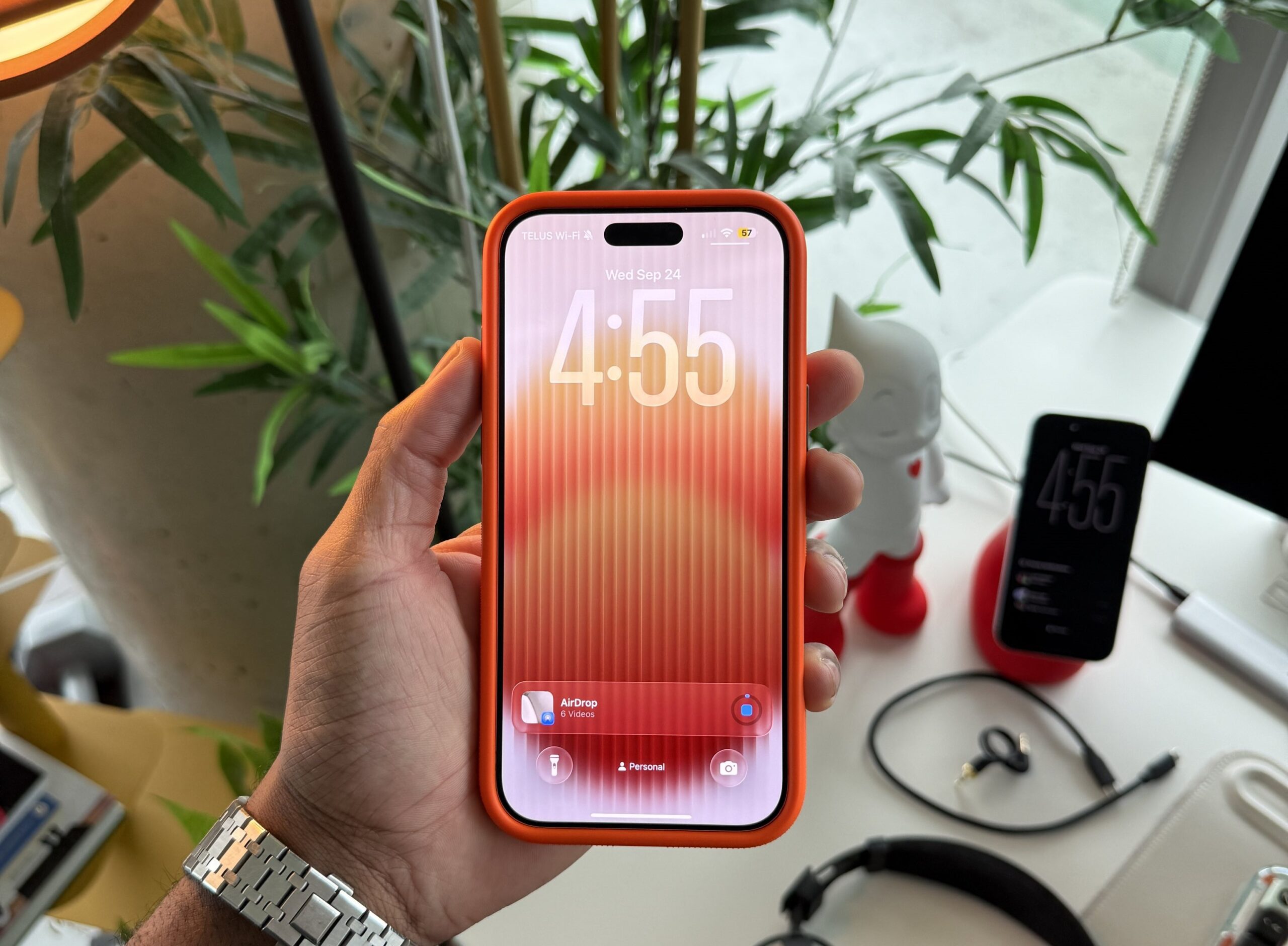
Apple’s latest iOS update isn’t just another download notice blinking on your screen. iOS 26 quietly narrows who gets to move forward. For the first time in years, several once-flagship iPhones have fallen off the upgrade list, leaving owners with hardware that still works but no longer qualifies for Apple’s evolving idea of “current.”

The cutoff is technical, but it’s also symbolic. Devices built before the iPhone 11 have reached the end of major software support, limited by their A12 processors. Those chips once powered Apple’s most capable phones, but in the company’s view, they no longer carry the muscle needed for its next stage.
The Hardware Wall
Every version of iOS draws its own boundary, but iOS 26 makes that line sharper. The update requires at least the A13 Bionic chip, introduced in 2019. Anything older stays behind on security patches, no longer part of the evolving feature set. That includes the iPhone XR, XS, and XS Max — models that once defined the premium tier.
The practical explanation is straightforward: AI-heavy features and real-time rendering need more neural processing power. Yet there’s a subtler layer to it. Apple’s chips aren’t just about speed; they are the architecture around which the entire iPhone experience is designed. Each new processor defines what software can do, which features appear, and how long a device remains part of the ecosystem’s living edge.


This rhythm — new chip, new capability, gradual cutoff — is what keeps Apple’s annual cadence intact. Every September release isn’t simply a new phone; it’s a new minimum specification for staying fully included.
A Two-Tier Future for iPhone Owners
Even among the models that qualify for iOS 26, another line has emerged. Apple Intelligence, the company’s new AI framework, only runs on devices with the A17 Pro chip or newer. That means just the iPhone 15 Pro, 15 Pro Max, and the latest iPhone 16 and 17 families can use its most advanced features, including Genmoji, Image Playground, and Visual Intelligence search.
To most users, that may sound like another marketing distinction, but it subtly shifts what it means to own an iPhone. The device is no longer just about physical performance or camera power. It’s about access — to the layer of intelligence that Apple now presents as the future of its software.
If iOS 26 draws the boundary, Apple Intelligence deepens it. Users on older hardware still get the “Liquid Glass” redesign, new call-blocking tools, and incremental upgrades, but they don’t enter the world Apple now wants to build around generative AI.
Apple’s Cadence, Reinforced
Apple’s product rhythm has always relied on synchrony between hardware and software. Each new chip unlocks a round of exclusive features, ensuring a clear incentive to upgrade. With iOS 26, that pattern becomes more overt. The system’s defining features — not its interface or stability — now depend on neural processing power, measured in trillions of operations per second.
In other words, the chip has become the timeline. Users who bought an iPhone XS in 2018 now stand five generations behind in Apple’s silicon hierarchy. Their devices still function, but their place in the ecosystem has shifted from participant to observer.
This cadence also serves Apple’s supply chain and product economics. Designing features that only newer chips can handle extends the relevance of premium models and pushes the performance envelope that third-party developers must follow. It keeps the iPhone not only technologically current but economically alive in a saturated market.
What Apple Intelligence Really Introduces
Apple Intelligence isn’t simply another app layer. It’s a new organizing principle for how the company conceives of its products. The integration of generative tools — from writing assistance to personalized image creation — requires on-device processing that relies on the latest chipsets. By building these limits into the silicon, Apple controls who experiences the “full” version of its ecosystem.
For users, this means the value of an iPhone will increasingly depend on invisible processing layers. Owning a phone with the right chip becomes the gateway to new functions and design languages. Future updates may add new AI interactions, but only for the models powerful enough to host them.
That separation could reshape upgrade behavior. Instead of waiting for battery fatigue or physical wear, users might feel the pressure to move on simply to stay inside the feature flow.
The Ecosystem Effect
This new structure isn’t unique to Apple, but Apple executes it with precision. Its chip design gives it vertical control — every performance benchmark, every AI task, every animation runs on hardware it built. That synergy lets Apple decide when to retire old devices, often just as their resale value begins to dip.
Yet the company must balance progress with perception. Too aggressive a cutoff could alienate users who bought high-end devices only a few years ago. Too slow a cycle, and the hardware roadmap loses its momentum. With iOS 26, Apple has found a middle ground: it keeps older phones secure, but it draws a clear visual and functional gap between what’s current and what’s merely supported.
The Line Ahead
As iOS and Apple Intelligence evolve together, the pattern will likely harden. Each generation of chips will carry its own threshold of access, and users will weigh upgrades less by screen size or camera count and more by whether their devices can run the software that defines Apple’s future.
In that sense, iOS 26 is more than an update. It’s a reminder that longevity in Apple’s ecosystem isn’t about how long a phone works — it’s about how long it stays part of the story Apple is still writing.
Go to TECHTRENDSKE.co.ke for more tech and business news from the African continent.
Follow us on WhatsApp, Telegram, Twitter, and Facebook, or subscribe to our weekly newsletter to ensure you don’t miss out on any future updates. Send tips to editorial@techtrendsmedia.co.ke


