
Security Without the Pop-Up: How iOS 26.1 Turns Protection Into a Background Habit
Apple wants your iPhone to handle protection on its own, turning updates into background behavior

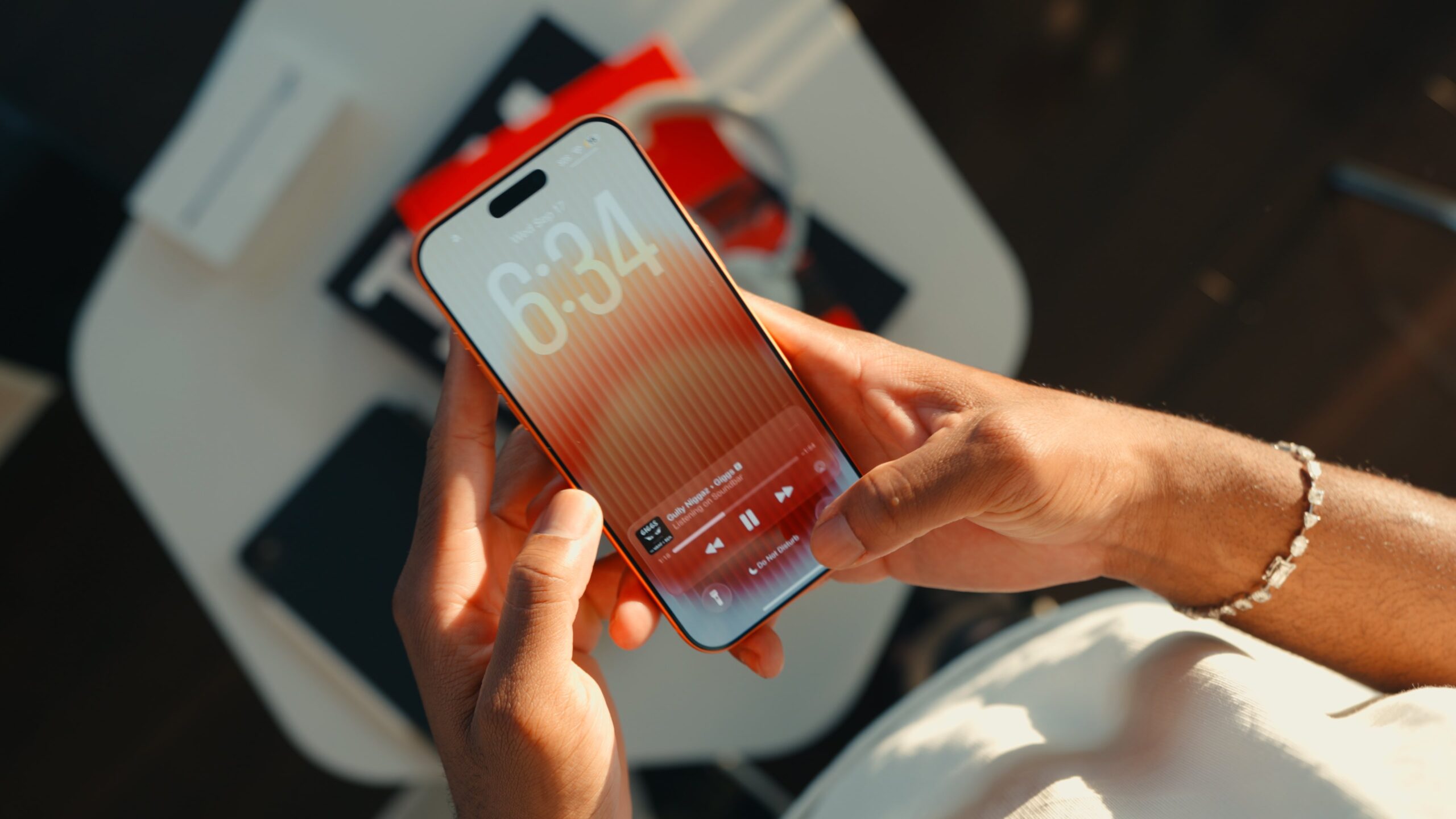
For years, iPhone owners treated software updates as chores. Every patch came with a reminder, a delay, a debate about battery drain or storage space. iOS 26.1 quietly changes that dynamic. A new feature called Security Improvements lets your iPhone install smaller protective updates automatically — no tap, no restart, no waiting.

It’s a subtle tweak, but it marks a turning point in how Apple handles security. The company isn’t just fixing vulnerabilities anymore; it’s folding security into the background fabric of the operating system, where it belongs.
Security as Part of the Architecture
“Background Security Improvements” lives deep in the Privacy & Security settings, tucked between menus most users rarely open. Once turned on, it keeps your iPhone in sync with Apple’s latest patches, layering protection without requiring a full iOS update.
That matters because the threats now evolve faster than Apple’s regular release cycle. In earlier versions, fixes came through major updates or through Rapid Security Responses — a system Apple rolled out in 2023, then quietly stopped using. Security Improvements revives the same idea, but in a steadier, less visible way.


The change suggests Apple is rethinking software upkeep as part of infrastructure, not user management. The device maintains itself, while the user just benefits.
Trust and Control, Updated Together
Apple’s decision to automate security updates also folds into a larger question of trust. The company’s reputation for safety depends on staying one step ahead of attackers without overwhelming users with prompts or jargon. If your phone keeps itself protected, you’re less likely to notice the system at all — which, in Apple’s view, may be the ideal outcome.

It’s also a reminder of how centralized the Apple ecosystem has become. The same mechanism that keeps iPhones safe reinforces Apple’s control over when and how software evolves. Security Improvements might seem purely protective, but it’s also about maintaining coherence across hundreds of millions of devices — a technical and strategic move rolled into one.
A Future Without Manual Updates
Automatic patching isn’t new in computing, but Apple’s gradual shift toward it shows how mainstream it’s becoming. iOS 26.1 turns what used to be a conscious decision into background behavior. The update process itself is disappearing, replaced by a model that treats the operating system as a living network, not a static product.
For users, the benefit is simple: fewer steps, faster protection. For Apple, it’s an act of long-term maintenance — not just of devices, but of confidence.
Go to TECHTRENDSKE.co.ke for more tech and business news from the African continent.
Follow us on WhatsApp, Telegram, Twitter, and Facebook, or subscribe to our weekly newsletter to ensure you don’t miss out on any future updates. Send tips to editorial@techtrendsmedia.co.ke


