
iOS 26 Hidden Features Expose How Apple Is Rethinking the Everyday Use of the iPhone
Each hidden feature in iOS 26 feels like a small conversation between design and memory, the kind that makes technology feel less like machinery and more like something lived with.

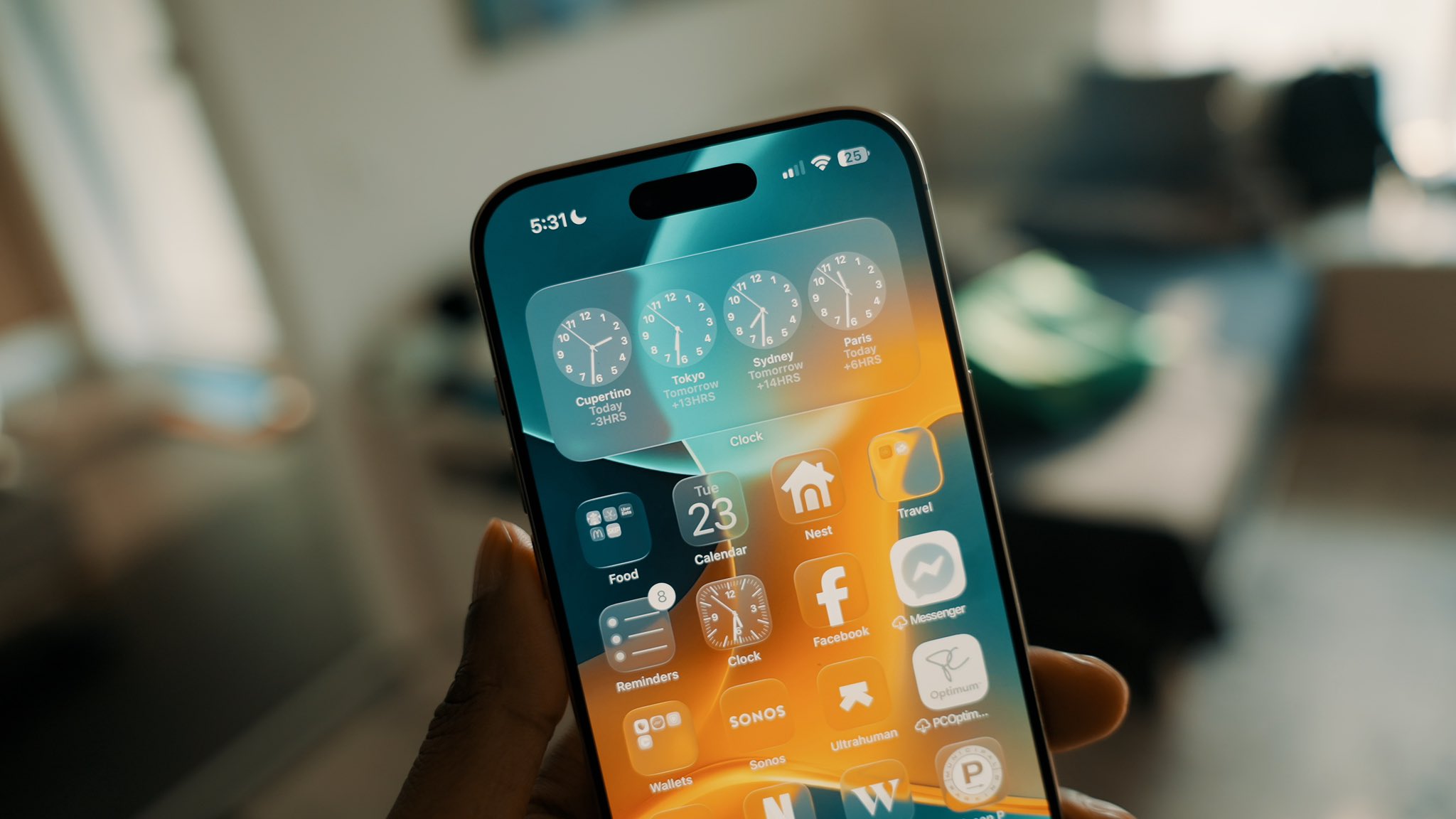
Apple’s newest update, iOS 26, arrived with fanfare around its redesign and AI-powered additions. But buried under the spectacle lies a set of subtler moves — the small usability tweaks that quietly redefine what it feels like to live with an iPhone. They’re not the kind of things that make the launch video, yet they may say more about Apple’s long-term thinking than any headline feature.

These are the invisible improvements that often surface weeks later, when users stumble upon them almost by accident. Together, they hint at a company that’s turning its attention back to texture — the feel of interaction, the rhythm of daily use, the instinctive flow between hardware and habit.
A Philosophy of Small Wins
The charm of iOS 26’s hidden features isn’t their novelty but their restraint. Changing the snooze duration, translating lyrics in real time, or cleaning up a blurry lens might sound trivial. But they reflect a product philosophy that prizes refinement over revolution. Apple appears to be engineering for micro-efficiency — one tap saved here, one gesture made smoother there — creating a sense of cumulative polish.
There’s something deliberate about this direction. After a decade of bold, feature-heavy updates, the company now seems to be designing for familiarity rather than surprise. It’s the kind of progress that happens inside the margins. These adjustments don’t disrupt routines; they make them less noticeable.


When Function Becomes Invisible
Several of iOS 26’s updates follow a consistent pattern: removing friction without fanfare. Adaptive Power Mode, for instance, lets the phone self-adjust between high performance and energy saving without asking the user to decide. It’s an invisible decision-maker — one that trades transparency for trust.
Another example is the new Maps feature that quietly logs places you’ve visited, stored privately and locally. It transforms what used to be passive navigation into a subtle memory system. Apple isn’t just charting where you go; it’s teaching the device to remember in ways that feel personal yet contained.

There’s an argument here about boundaries — between convenience and control, automation and autonomy. Apple seems intent on finding that balance, letting technology fade into the background without feeling invasive.
Beyond the Big Launch
Every major iOS cycle has its poster features. This year it was the liquid glass design and Siri’s AI revamp. But the real story sits beneath those layers. The small tools — like partial text selection in Messages, HDR screenshots, or the ability to screen unknown calls — point to a maturing platform that’s learning from its own ecosystem rather than racing to outdo it.
What’s notable is how these updates emphasize consistency over expansion. Instead of adding another app or a flashy function, iOS 26 makes existing systems more cohesive. The new call screening tool, for example, integrates seamlessly into the Phone app rather than introducing a separate assistant. Even the ability to take photos with AirPods feels more like continuity than novelty — a quiet convergence of devices that already share a language.
This isn’t innovation in the theatrical sense. It’s the quiet craftsmanship of a company fine-tuning the ordinary.
The Emotional Utility of Subtle Design
There’s also a human rhythm to these updates. Apple seems to be listening to the way people actually use their devices — impatiently, repetitively, sometimes carelessly — and smoothing out those friction points. Changing your alarm snooze time or seeing an estimate of when your battery will reach 80% may not feel like design milestones, but they reflect empathy in engineering.
It’s easy to overlook such touches because they don’t demand attention. Yet, that’s precisely their value. Good design doesn’t always announce itself; sometimes it simply disappears into use.
What Apple’s Small Moves Reveal
The collective effect of iOS 26 hidden features is more than convenience. They show Apple embracing incremental evolution, trusting subtlety over spectacle. The company seems to recognize that the iPhone has matured into something cultural — too ingrained to reinvent each year, but still capable of refinement.
This version of innovation is less about invention and more about stewardship. Apple appears to be maintaining a living ecosystem, where the biggest upgrades happen not on stage but in the small interactions that go unnoticed.
Perhaps that’s the quiet power of iOS 26: it doesn’t try to redefine the device; it reminds you how it already fits into your life.
Go to TECHTRENDSKE.co.ke for more tech and business news from the African continent.
Follow us on WhatsApp, Telegram, Twitter, and Facebook, or subscribe to our weekly newsletter to ensure you don’t miss out on any future updates. Send tips to editorial@techtrendsmedia.co.ke


