
Google Cloud Courts AI Startups with Free GPUs and Gemini Access, But Will the Loyalty Last Beyond the Credits?
Google’s cloud division is no longer just a side business. As AI startups flock to its platform, the company faces a defining test of whether it can build a lasting future beyond the advertising empire that made it rich.

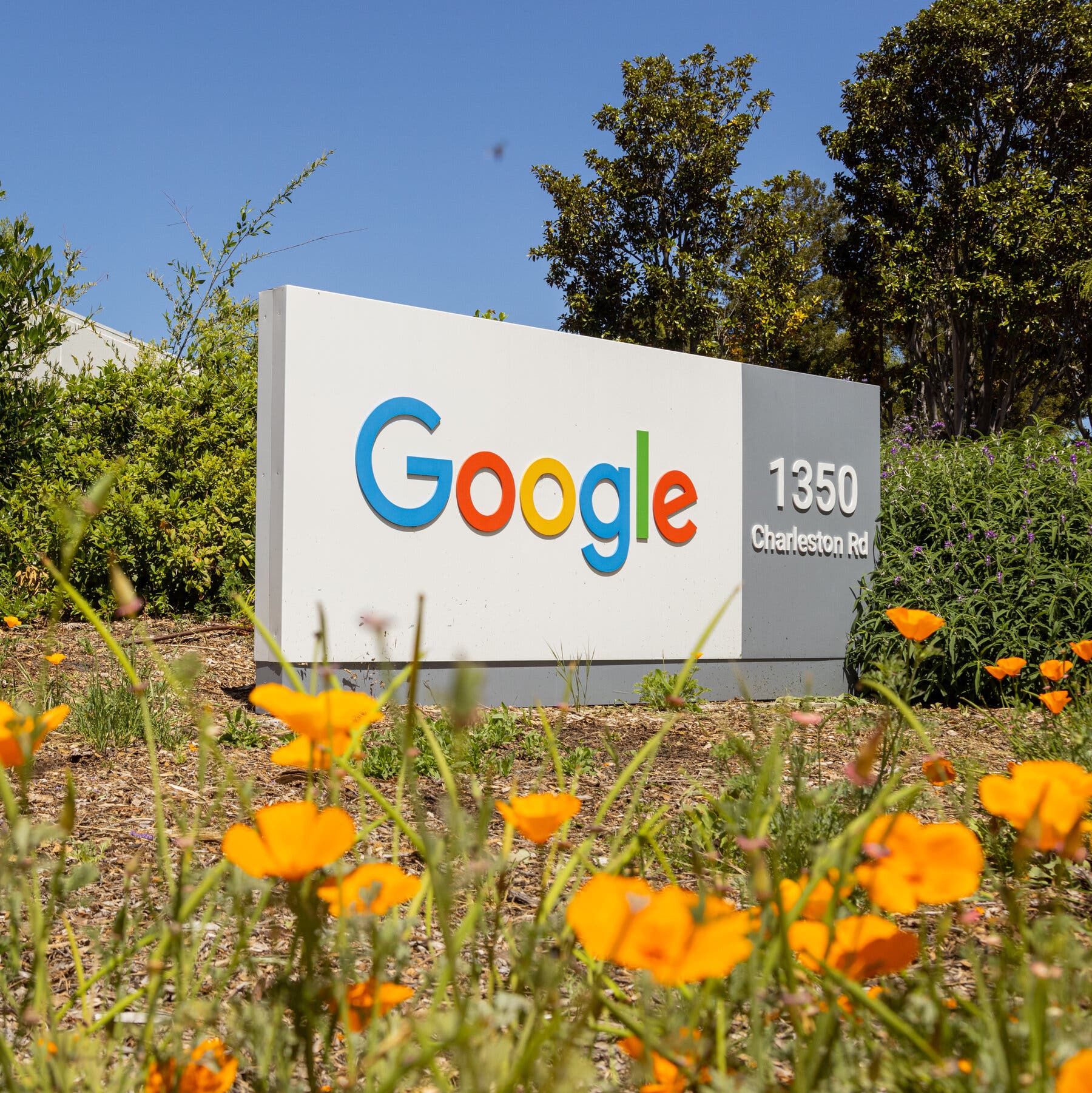
Google Cloud is no longer just the underdog chasing AWS and Azure. In the past year, it has become the go-to platform for a wave of AI startups betting on generative tools, developer assistants, and the emerging culture of “vibe coding.”

The company’s annual run rate has surged past $50 billion, a figure padded by a sharp uptick in new partnerships. Behind the numbers lies a strategy that mixes heavy infrastructure investment with generous credits and close ties to early-stage founders.
Why AI startups are choosing Google Cloud
For years, cloud decisions were framed as a choice between Amazon’s maturity and Microsoft’s enterprise lock-in. But AI founders are picking Google. One reason is access to Gemini 2.5 Pro, Google’s most advanced model, which startups like Lovable and Windsurf are using to power new developer-facing tools. Windsurf, now part of Cognition, is fusing Gemini with Devin, the self-described “AI software engineer.”
Equally important are the perks. Through the Google for Startups Cloud Program, companies can secure up to $350,000 in credits. For Y Combinator teams, Google sweetens the pot with dedicated Nvidia GPU clusters, a resource many rivals guard more closely. To a founder burning cash on training models, that’s not just marketing — it’s survival capital.


The rise of vibe coding and its cloud implications
One of the more intriguing trends bubbling up is “vibe coding.” Instead of writing every line, developers sketch goals or styles, then let AI fill in the rest. Early unicorns in this space are building atop Google’s stack, and that’s by design. If the practice scales, Google could lock in both startups and the broader developer community, who may no longer be as tied to coding syntax but to the platforms that enable this new workflow.
Still, questions remain. Will vibe coding produce maintainable software? Will security and compliance teams accept it? Or will the industry hit a wall when these AI-generated systems face real-world stress? Google is betting the answers tilt in its favor.
Google’s growth by the numbers
The financial picture is stark. Google Cloud revenue grew from $33.1 billion in 2023 to $43.2 billion in 2024, with analysts projecting $58 billion in new revenue by 2026. A 20% increase in AI startups using Google Cloud was recorded in the past year alone. Today, the company claims partnerships with 9 of the top 10 AI labs and 60% of generative AI startups worldwide.
It’s a reminder of how AI’s computational appetite feeds cloud providers. Training large models isn’t just costly — it’s near impossible without hyperscale infrastructure. And every dollar that startups pour into training lands in the books of Google, AWS, or Microsoft.
The competitive lens: AWS and Azure
AWS remains the largest player, and Microsoft Azure has the advantage of deep OpenAI integration. Yet Google’s strategy looks different. Instead of focusing solely on marquee partnerships, it is casting a wide net across dozens of early players. The gamble is that one of these fledgling teams will grow into the next billion-dollar customer.
That raises an open question: Is this scattershot approach sustainable, or does it risk spreading support too thin? Startups are fickle, and credits eventually expire. Whether Google can convert freebies into lasting loyalty may decide how much of this growth endures.
The long view: risks and unanswered questions
The courtship of AI startups is a high-stakes game. If their products flop or investor interest cools, cloud providers may be left with stranded capacity. And while vibe coding captures imagination, critics warn of technical debt, opaque codebases, and security blind spots.
The broader question is whether AI-assisted development rewrites how software is built — or if it becomes a niche tool, useful in demos but less so in mission-critical systems. Google’s bet is clear: these startups represent the future. But the market has yet to prove them right.
Building a pipeline for the next giants
Google Cloud’s push into AI startups isn’t just about today’s revenue. It’s about seeding the ecosystem that could power its next decade. By offering credits, GPUs, and cutting-edge models, the company is buying goodwill and positioning itself as the default choice for the next Lovable, Windsurf, or whatever unicorn emerges from the vibe coding frontier.
The unanswered questions — from code reliability to long-term customer retention — are what make this story more than just another growth chart. They hint at the messy, unpredictable road where cloud, AI, and startup culture now collide.
Go to TECHTRENDSKE.co.ke for more tech and business news from the African continent.
Mark your calendars! The TechTrends Pulse is back in Nairobi this October. Join innovators, business leaders, policymakers & tech partners for a half-day forum as we explore how AI is transforming industries, driving digital inclusion, and shaping the future of work in Kenya. Limited slots – Register now – here.
Follow us on WhatsApp, Telegram, Twitter, and Facebook, or subscribe to our weekly newsletter to ensure you don’t miss out on any future updates. Send tips to editorial@techtrendsmedia.co.ke
TechTrends Media Podcasts


