Treasury’s Ambitious Safaricom Stake Sale Hinges on Cabinet Nod Amid Privatisation Push
Cabinet approval will determine whether the government can unlock billions from its Safaricom stake this year

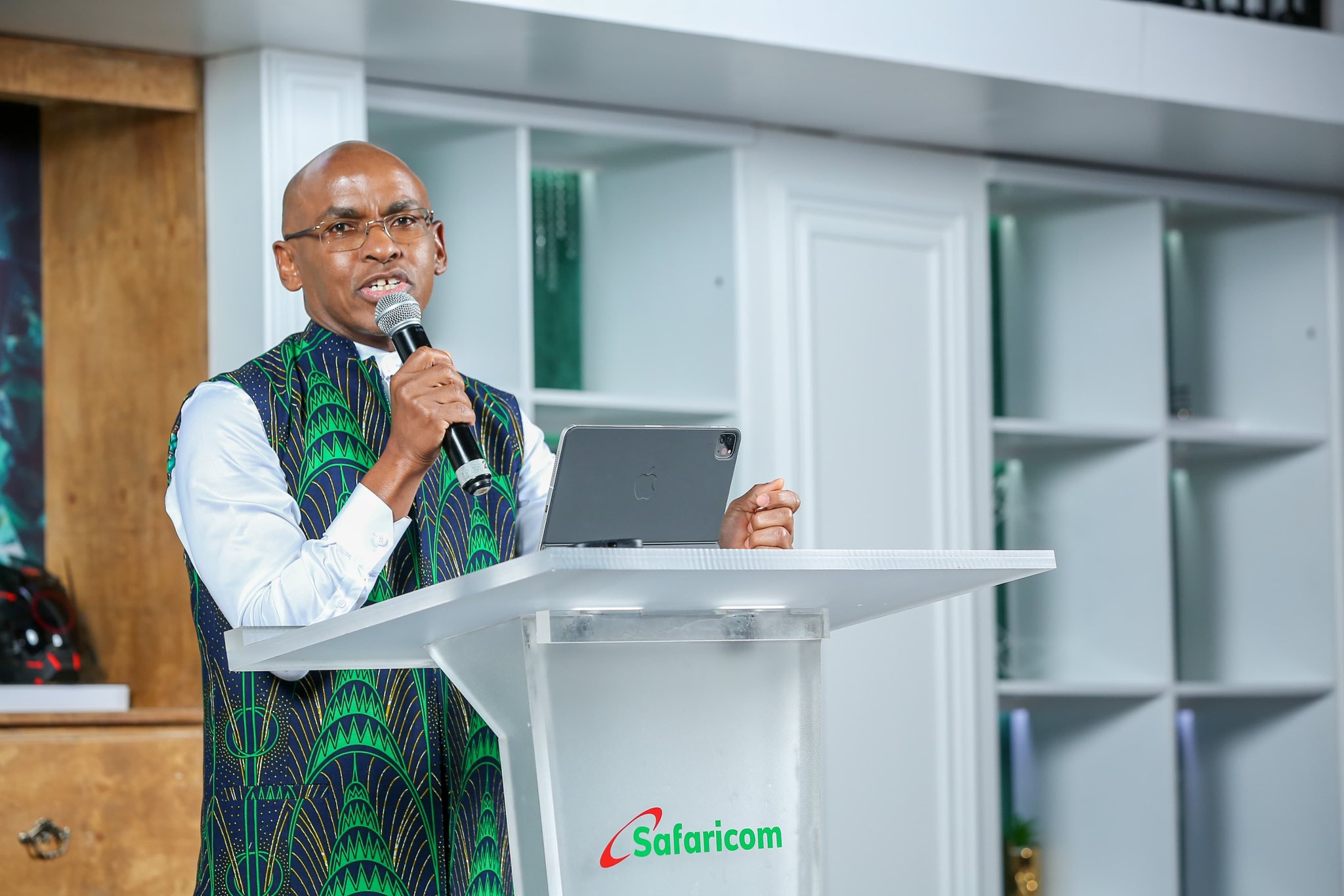
The government’s plans to sell a chunk of its 34.9 percent stake in Safaricom, Kenya’s biggest listed company, now rest squarely on the Cabinet’s shoulders. The Treasury hopes the move could raise part of the Sh149 billion it aims to generate from privatising state-owned firms in the 2025/26 fiscal year.

Treasury Cabinet Secretary John Mbadi confirmed that while Safaricom is the only firm capable of delivering such large-scale revenue, any reduction in the government’s shareholding would require formal Cabinet approval. The stakes are high: the government is looking for ways to raise billions without introducing new taxes, and Safaricom has consistently proven to be a reliable source of cash.
The State currently holds a 34.9 percent stake in Safaricom, valued at roughly Sh386.9 billion. Back in 2008, it sold 25 percent of the company in an initial public offering (IPO) that raised Sh51.75 billion and attracted massive investor interest, oversubscribed by 532 percent. Analysts now expect any additional sale to spark another rush of buyers, whether through a secondary IPO or off-market block deals to high-net-worth investors and private equity funds.
At today’s share price of Sh27.25, selling between five and ten percent of the government stake could yield between Sh19.1 billion and Sh38.2 billion. Experts suggest that off-market sales may be the best approach, allowing the government to command a premium rather than selling openly on the stock market.

Meanwhile, other privatisation plans have hit roadblocks. The sale of shares in Kenya Pipeline Company (KPC) was recently stopped by the High Court after a consumer lobby group argued that the process lacked transparency and sufficient public involvement. KPC remains a potential candidate for divestment, with projections suggesting that even a retained minority stake could outperform the Sh3 billion to Sh4 billion in annual dividends the government currently receives.
Safaricom itself continues to be a cash-generating powerhouse. The company reported Sh45.7 billion in net profit for the year ending March 2025, a 7.2 percent increase from the previous year, boosted by operations in Ethiopia. Total dividends of Sh1.20 per share, including interim and final payouts, could deliver Sh16.8 billion directly to the Treasury.

The Safaricom divestment is more than just a financial manoeuvre. For the government, it is an opportunity to unlock funds from a highly profitable, highly liquid asset while retaining strategic influence over Kenya’s mobile money and data markets. Earlier plans also identified nine other state-owned firms for partial sale, including KICC and New KCC, but most have struggled after years of mismanagement.
As Cabinet deliberates, all eyes are on the Treasury. The decision will determine whether Kenya’s largest telecom continues as a government-controlled cash cow or becomes a key piece in a larger push to mobilise billions through privatisation. Either way, the outcome is set to reshape the financial landscape and test the government’s ability to manage its stakes in high-value companies.
Go to TECHTRENDSKE.co.ke for more tech and business news from the African continent.
Follow us on WhatsApp, Telegram, Twitter, and Facebook, or subscribe to our weekly newsletter to ensure you don’t miss out on any future updates. Send tips to editorial@techtrendsmedia.co.ke
TechTrends Media Podcasts

