

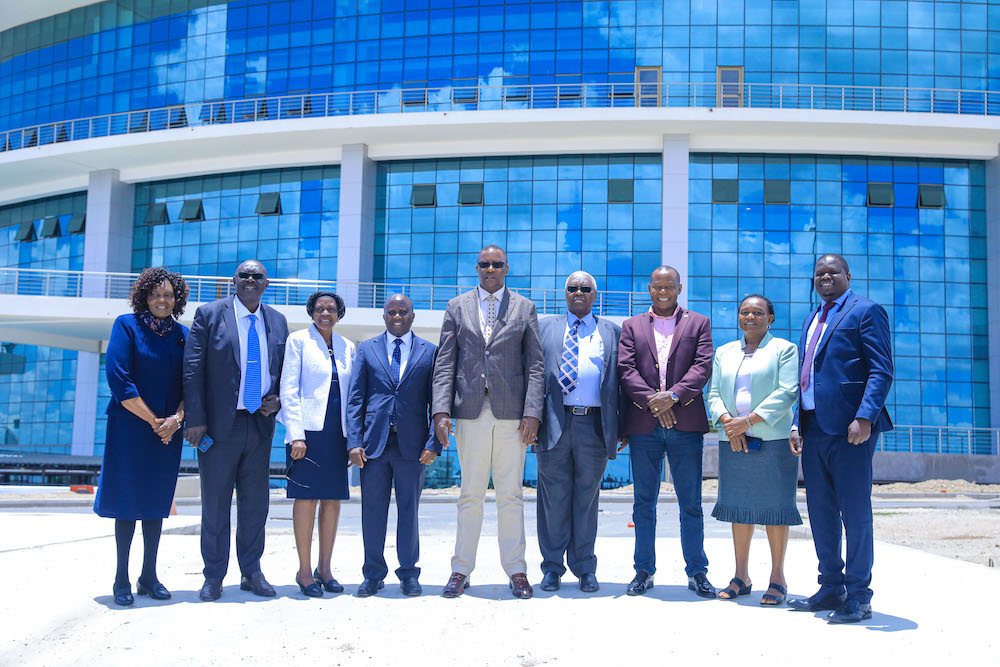
Kenya’s flagship smart city project, Konza Technopolis, reported a revenue of Sh252 million, of which the major share came from cloud services that witnessed a fourfold growth to Sh152 million.

This was a milestone achievement for the tech hub toward positioning itself to become a major player in Africa’s digital economy.
Driving Factors Behind Konza Technopolis Revenue Growth
The growing demand for digital infrastructure solutions is an impetus to Konza Technopolis’ revenues. The National Data Center at Konza supplies important, cloud-based services such as IaaS and SaaS to government and private entities.
Investment Scale vs. Revenue Realities
Nonetheless, the Sh252 million earned is negligible when compared to the Sh83.5 billion invested. Thus, while the smart city initiative is moving along, it is still in its infancy as far as financial sustainability and scaling operations are concerned.

Challenges in Scaling Cloud Services and Market Competition
The rapid increase in cloud services revenue serves as an excellent example of low base revenue growth. To keep the momentum going, continuous innovation and strategic positioning must be put to use, as there is competition from well-established global and regional cloud providers.
Investor Confidence and Coordination Complexities
Konza Technopolis’ revenue growth has seen numerous investments from over 70 investors, benefiting from diversified capital inflows. Yet, with several investors in the project, coordinating efforts among them and dealing with conflicting expectations presents significant problems that the project has to overcome eventually.

Infrastructure Completion and the Need for Occupancy
The basic horizontal infrastructure of any city is provided with roads, water, and electricity. But the real opportunity lies in attracting businesses and residents to tame the empty landscapes, thereby converting infrastructure into a source for economic vigor and sustained revenues.
Government Support and Dependency Risks
Government funding, with Kenya Advanced Institute of Science and Technology (KAIST) alone getting Sh5.74 billion, supports Konza’s aspiration to develop the knowledge economy. Nevertheless, the project should gradually lessen dependence on public funds as it increasingly endorses strong commercial revenue streams.
Financial Risks in Addressing Budget Gaps
Financial risk is introduced to fill a budget gap amounting to Sh140 billion through green bonds, loans, and partnerships. The variability in market conditions could affect the availability of funding and thereby put into question the timing and scope of the projects.
A Promising Yet Challenging Path Ahead for Konza Technopolis Revenue
Revenue growth in Konza Technopolis is reflective of the wider digital transformation ambitions of Kenya. However, its full realization as Africa’s foremost smart city requires it to find the strategic solutions to the burning issues of scaling, financial sustainability, investor coordination, and funding risks.
Follow us on WhatsApp, Telegram, Twitter, and Facebook, or subscribe to our weekly newsletter to ensure you don’t miss out on any future updates. Send tips to editorial@techtrendsmedia.co.ke

