Samsung Galaxy S26 Ultra Debuts Privacy Display as Chinese Flagships and MacBooks Eye Similar Screens
The Galaxy S26 Ultra introduces a display that hides from wandering eyes, and rival phone makers are clearly paying attention

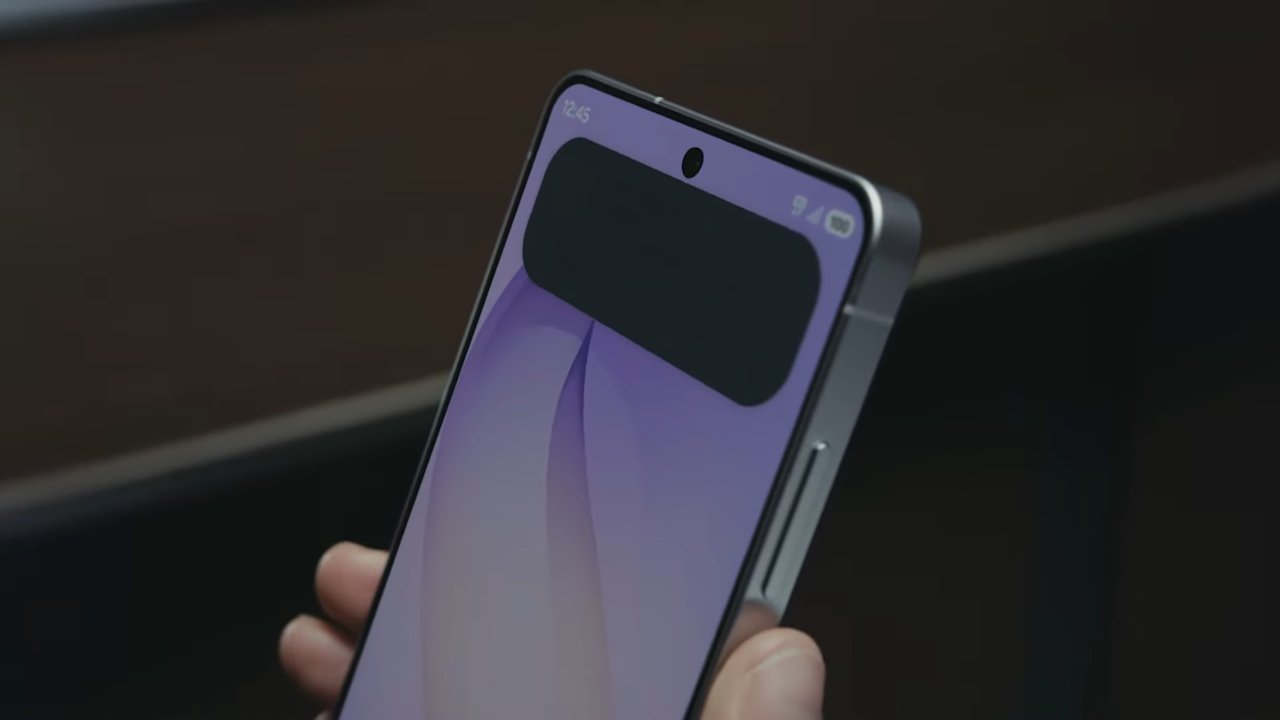
Smartphone makers have spent years chasing spectacle. Brighter screens, faster refresh rates, marginal gains stacked on marginal gains. That rhythm may now be bending toward something more practical. A new category of display design is starting to surface. Its purpose is simple enough. Keep the person holding the device informed while anyone glancing from the side sees very little.

That idea, once handled with plastic films and office laptop accessories, is moving directly into the display panel itself.
The first notable example appears on the Samsung Galaxy S26 Ultra. The phone introduces hardware-based privacy display technology built into the OLED panel. Instead of a removable filter, the screen controls how light leaves the panel. The effect narrows the viewing angle when activated, allowing the owner to read the display while someone sitting nearby sees dim or distorted content.
In practice it feels less like a gimmick and more like an experiment in how personal devices behave in public spaces. Phones increasingly serve as portable offices. Banking apps, work chats, personal messages, travel documents. That material often sits exposed on a train seat or café table.
Display engineers appear to be asking a blunt question. What if the screen itself could decide who is allowed to see it?
A Screen That Controls Where Its Light Goes
The privacy system on the Galaxy S26 Ultra works through directional light emission inside the display panel.
Two pixel behaviors operate together. One group spreads light widely across the viewing cone. That is how conventional smartphone displays maintain visibility even when tilted. A second group pushes light forward in a narrower beam aimed toward the user.
In standard mode the panel uses both sets of pixels. The phone behaves like any other premium OLED device.
Activating privacy display suppresses the wide-angle emitters. The forward-directed pixels remain active. Viewing angles narrow dramatically. Someone looking from the side encounters a dim, difficult image while the person holding the phone continues reading normally.
The approach is notably different from the physical privacy filters that have long circulated in corporate offices. Those filters rely on micro-louver layers placed over the display. They permanently reduce brightness and color accuracy. They cannot be turned on or off without removing the accessory.
Samsung’s method integrates the idea into the screen itself. Software can control when it activates. Users can limit the effect to certain apps or sections of the interface. A message notification could appear hidden from side glances while the rest of the display remains visible.
It sounds tidy on paper. Real devices rarely behave that cleanly.
The First Generation Problem
Early hands-on impressions suggest the privacy display carries trade-offs.
Part of the challenge sits in physics. When the system limits wide-angle pixels, fewer emitters contribute to the image. That can reduce effective sharpness in privacy mode. Brightness may dip slightly as well.
Some reviewers also noticed changes to viewing angles even with the feature disabled. When the phone tilts, the display can show color shifts and brightness falloff sooner than its predecessor. That observation has not yet settled into consensus, though the theory behind it makes sense. Pixels designed to emit forward simply contribute less light at an angle.
This leaves the S26 Ultra in a familiar place for first-generation hardware ideas. Technically impressive. Slightly awkward around the edges.
The phone itself does not pretend otherwise. Privacy display appears intended for specific moments rather than constant use. Messaging in crowded transit. Reviewing documents in an airport lounge. Checking a bank balance in a café where strangers sit shoulder to shoulder.
Outside those moments the system remains off.
That may be enough.
Chinese Flagship Makers Watch the Experiment
The rest of the smartphone industry rarely watches new hardware ideas without preparing a response.
A recent claim from the Chinese tipster Digital Chat Station suggests several manufacturers are already evaluating similar display designs. The timing is notable. Chinese flagship phones often arrive midyear. If those experiments hold, devices launching around September and October 2026 could include their own versions of privacy display technology.
Potential candidates span the usual premium lineup. Phones such as the Xiaomi 18 series or the Oppo Find X10 series are widely expected during that window.
Chinese smartphone makers have developed a reputation for accelerating hardware iterations. A concept appears in one device. Within a year the same idea emerges across multiple brands, often with refinements layered on top. Camera sensors, charging systems, under-display sensors. The pattern repeats.
Privacy displays may follow that trajectory. If several companies pursue the same design challenge, the weaknesses visible in the S26 Ultra could fade quickly. Brighter panels, denser pixel arrangements, or improved optical layers could stabilize viewing angles.
Competition tends to speed up that kind of tuning.
Laptop Screens Enter the Conversation
The most intriguing development sits outside the phone market.
Market research firm Omdia recently suggested the same display concept could reach laptops later in the decade. The claim surfaced through the well-known industry watcher Ice Universe. According to that report, Apple may adopt the technology in its MacBook computers by 2029.
Laptop displays create a different environment for privacy technology.
Phones spend much of their time in a single user’s hands. Laptops sit open on tables, sometimes for hours. Airplanes, coworking spaces, libraries. Anyone passing by can glance at the screen. Corporate security policies already encourage privacy filters for that reason.
The difference is that physical filters degrade the display. Brightness drops. Colors flatten. Many users remove them as soon as work ends.
A directional display embedded directly in the panel could change that balance. Users might activate privacy mode only when working on sensitive material. The rest of the time the screen behaves normally.
Laptop makers have experimented with similar ideas before. Some enterprise machines included electronic privacy modes built into LCD panels. Adoption remained limited. Brightness suffered and the effect often felt crude.
OLED panels and modern pixel control may offer a cleaner implementation.
Apple has said nothing about such a plan. The company rarely comments on hardware roadmaps years in advance. Yet the possibility alone reveals how display engineering is evolving. Privacy features are no longer confined to accessories.
They are becoming part of the screen itself.
A Different Kind of Display Competition
The smartphone display race has historically revolved around spectacle. Resolution numbers climbed. Refresh rates moved from 60Hz to 120Hz and beyond. Brightness reached levels that once seemed absurd for handheld screens.
Those metrics still matter. Yet a different layer of competition is emerging.
Device makers are experimenting with screens that respond to context. Panels that adjust how light spreads, how content appears, who can see it. The display becomes a more active component of the device rather than a static window.
Privacy display technology fits neatly into that line of thinking. It addresses a problem users encounter daily but rarely articulate. The discomfort of reading something personal while strangers sit nearby.
Phones increasingly carry fragments of people’s lives. Banking credentials. Travel itineraries. Messages that were never meant for public viewing. Screens, ironically, expose all of it.
If directional displays mature, that exposure could narrow.
For now the idea lives in its early form on one device. The Galaxy S26 Ultra introduces the concept. Others will examine it closely, searching for ways to polish the rough edges.
The next stage will reveal whether privacy displays remain a niche feature or evolve into something ordinary. Display technology tends to move that way. An odd experiment one year. Standard equipment a few product cycles later.
Either outcome would say something about how personal devices are changing. Screens once aimed to show everything as vividly as possible to anyone looking.
Now the question is becoming more selective.
Who exactly is allowed to look.
Go to TECHTRENDSKE.co.ke for more tech and business news from the African continent and across the world.
Follow us on WhatsApp, Telegram, Twitter, and Facebook, or subscribe to our weekly newsletter to ensure you don’t miss out on any future updates. Send tips to editorial@techtrendsmedia.co.ke

