
Nairobi’s Matatu Industry Enters the Electric Era on Its Own Terms
Electric matatus are forcing an industry built on instinct to learn how to run on structure and numbers

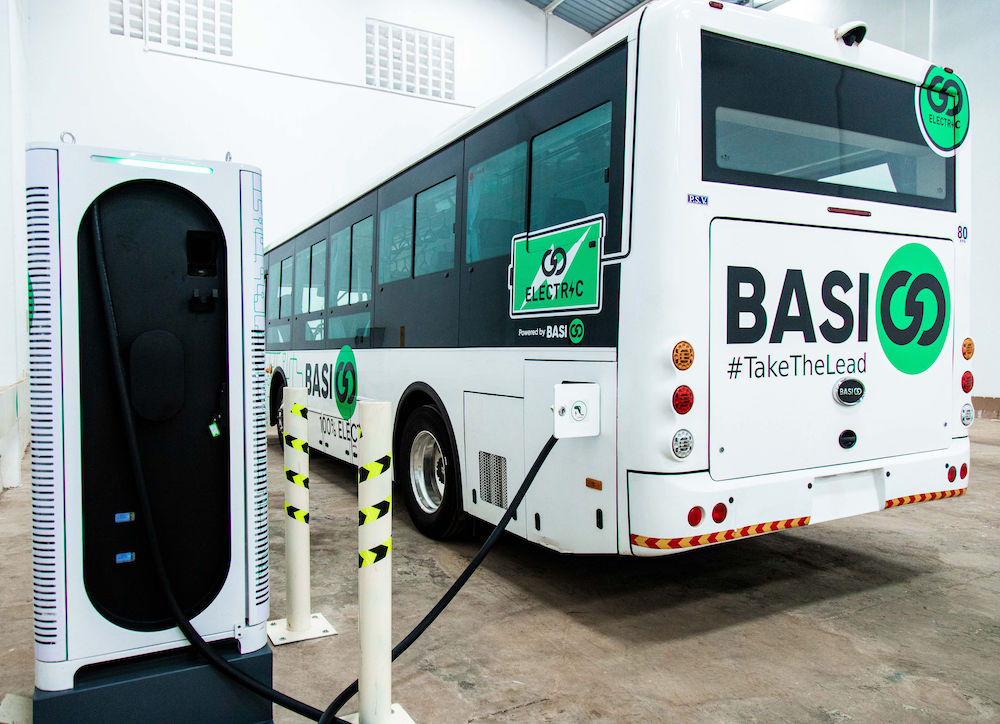
Initially seen as novelties, Kenya’s electric buses and matatus once stood out for their quiet hum amidst Nairobi’s usual diesel noise. Now, they are such a common sight in the CBD that they no longer draw extra attention from daily commuters.
What has changed is less visible. Electric mobility is beginning to alter how the matatu industry thinks about ownership, risk, and daily operations. The technology is not simply replacing engines. It is forcing adjustments in how transport businesses are financed and managed, and in how decisions get made inside Saccos that have long operated on instinct and routine.
The early momentum comes from economics rather than environmental ambition. Operators adopt what improves returns. Everything else follows.
Cost pressure, not climate language
For years, electrification sounded implausible within the matatu ecosystem. Vehicles run long hours, margins fluctuate, and downtime carries immediate financial consequences. Diesel costs have always dictated survival. When fuel prices rise, fares follow, or maintenance is postponed.
Electric buses alter that equation in ways operators understand immediately. Energy costs become more predictable. Mechanical failures decline. Maintenance cycles stretch longer. The difference is felt not in theory but in daily cash flow.
Models such as BasiGo’s lease structure reflect this reality. Operators place a deposit of between Sh1 million and Sh1.5 million, then pay about Sh65 per kilometre covering energy, servicing and financing. The company retains ownership of the bus. Risk moves away from the driver or owner and into a structured payment model tied directly to usage.

For an industry built on daily collections rather than long-term planning, that distinction carries weight. Profitability becomes linked to kilometres completed rather than mechanical luck.
Ownership versus control
Not every company has taken the same route. Roam has leaned toward full ownership or lease-to-own arrangements, working with Saccos and lenders so operators eventually hold the asset. The logic is familiar within the sector. Ownership offers autonomy and resale value, something matatu culture has historically prized.
Two approaches now exist side by side. One treats transport as a service layered on top of infrastructure managed elsewhere. The other preserves traditional ownership while introducing electric technology into familiar structures.
The tension between those models is unresolved. Lease systems reduce entry barriers but concentrate control with the provider. Ownership keeps independence intact but exposes operators to financing risk and technological uncertainty. Over time, the outcome will likely depend less on ideology and more on which model secures consistent capital.
Infrastructure decides the pace
Demand for electric buses has not been the primary constraint. Charging access has.
Operators cannot run vehicles without reliable overnight charging or predictable daytime top-ups. That reality has led companies to tie new vehicle deliveries directly to charging depot construction. Expansion therefore follows infrastructure rather than market appetite.
The result is geographic clustering. Electric matatus appear most frequently along dense commuter corridors where routes remain predictable and depots are within reach. Inter-city pilots exist, including Nairobi–Thika and Nyeri–Nyahururu, though longer distances introduce scheduling complications. A bus that needs several hours to recharge alters how trips are planned and how revenue is calculated.
Infrastructure also introduces a new layer of influence. Whoever builds and manages charging networks indirectly determines how fast fleets grow and where they operate. That influence did not exist in the diesel era.
Discipline enters an informal system
Electric buses demand consistency. Batteries require route planning. Charging windows require timekeeping. Energy consumption can be measured in real time.
These requirements are nudging Saccos toward digital monitoring systems, integrated fare collection, and data-driven scheduling. OMA Services, which has begun retiring diesel buses in favour of electric ones, now links fare systems to fleet monitoring, allowing managers to track revenue and energy use simultaneously.
OMA Services is not alone in moving early. Larger Saccos such as Super Metro, Embassava, Forward Travellers and ATS have also begun introducing electric buses on selected routes, often starting with high-volume corridors where daily mileage justifies the investment. Their participation matters because these organisations control predictable fleets and established commuter bases. Electrification has entered the system through its most structured operators first, where scheduling, maintenance oversight and pooled financing already exist.
This kind of operational discipline has long been discussed by regulators. It is arriving instead through technology. Electric fleets reward predictability and penalise chaos. Operators who adapt find costs falling. Those who do not struggle to keep pace.
The transformation is gradual. Still, it changes incentives in ways regulation alone never managed.
Passenger expectations begin to move
Commuters notice comfort before they notice emissions. Electric buses tend to run smoother. Noise drops. Air conditioning works more consistently because it is built into the system rather than treated as a luxury.
E-Moti, a smaller operator running an all-electric fleet, reports that riders respond to reliability as much as novelty. Its Nairobi–Kitengela route delivered about 16 percent net profit in the first year without external capital. That outcome matters less for its scale and more for what it demonstrates. Smaller operators can make the numbers work if utilisation remains high.
Over time, this may alter passenger expectations across the network. Diesel fleets competing on the same routes face pressure to improve service quality or risk losing higher-paying commuters.
Capital remains the unresolved question
Electric buses remain expensive upfront compared with diesel equivalents. Assembly capacity exists locally, yet expansion depends on working capital. Manufacturers require financing to scale production. Operators require financing suited to fluctuating daily income rather than rigid repayment schedules.
Banks have historically approached the matatu sector cautiously. Early performance figures are beginning to soften that stance. Monthly net earnings of between Sh150,000 and Sh200,000 under lease models offer lenders something concrete to evaluate. Still, financing structures have not fully caught up with the technology.
If capital flows increase, adoption accelerates. If not, growth slows regardless of demand.
A transport change that extends beyond transport
Electric matatus connect two systems that previously operated independently. Transport becomes linked to electricity supply and power pricing. Increased charging demand feeds back into energy planning. Kenya’s reliance on renewable power gives electric mobility an advantage that many markets lack, though it also introduces new dependencies on grid reliability.
The larger question sits beneath the surface. Electric mobility rewards organised operators. It favours structured Saccos over fragmented ownership. Over time, that dynamic may reshape who participates in the industry at all.
For now, the buses move through Nairobi much like any others. Conductors call out destinations. Passengers board without thinking about battery range or financing models. Yet the mechanics underneath are changing steadily. The matatu industry has always adapted when economics demanded it. Electric mobility is simply the latest pressure forcing adaptation, though its consequences may run deeper than the vehicles themselves.
[Secure Your Seat at Africa Tech Summit Nairobi 2026 | February 11–12 here] Use code TTRENDS10 at checkout to save 10% on your pass and join the leaders building Africa’s $1 trillion cross-border payment future.
Go to TECHTRENDSKE.co.ke for more tech and business news from the African continent.
Follow us on WhatsApp, Telegram, Twitter, and Facebook, or subscribe to our weekly newsletter to ensure you don’t miss out on any future updates. Send tips to editorial@techtrendsmedia.co.ke


