
A Region Already Burdened by Conflict Now Pulls the Internet Into Its Orbit as Cable Crews Wait for a Safe Route That Keeps Slipping Away
A fragile stretch of water turns into a pressure point for the global internet as cable crews wait for conditions that never seem to settle

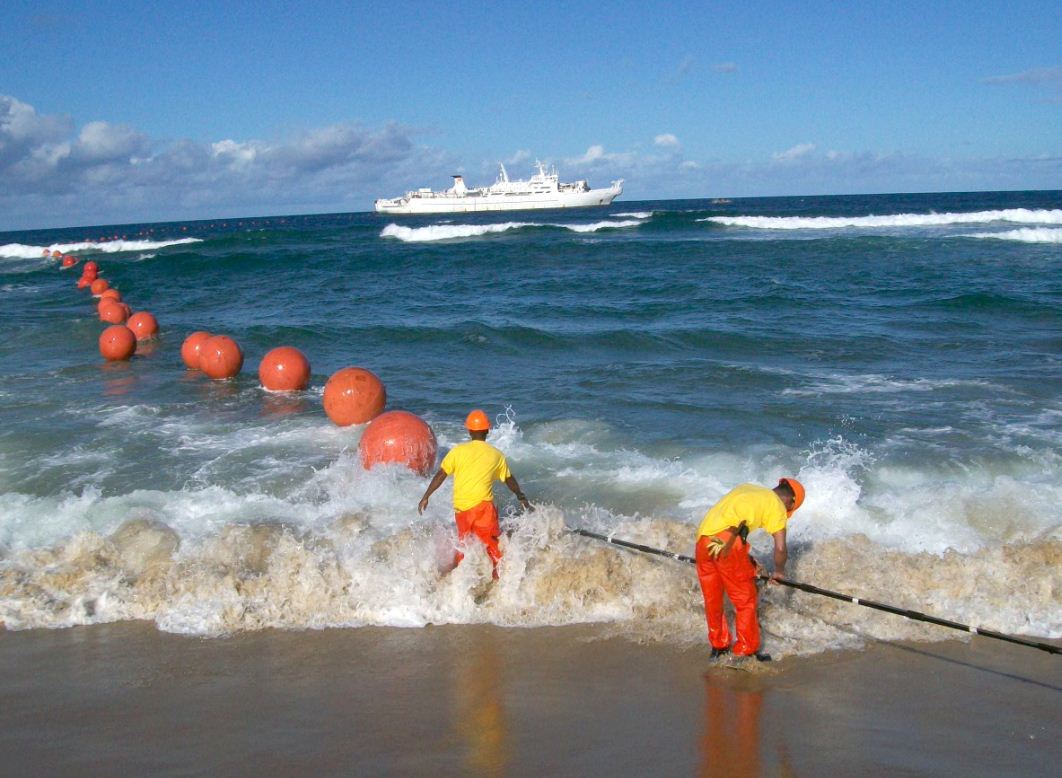
The Red Sea has long carried the weight of global trade, and now another burden has settled on it. Several undersea cable projects planned to run beneath this narrow corridor have stalled. The region’s political volatility has created an environment where commercial vessels face real operational constraints, turning what should be a standard engineering route into a prolonged waiting game.

The unfinished segment of Meta’s 2Africa system captures this tension. The broader project has taken shape along the rim of the continent, yet the section that threads through the Red Sea has remained incomplete. The delay is not a technical curiosity. It exposes how infrastructure that depends on predictable maritime conditions becomes vulnerable once the security landscape shifts.
Where Engineering Meets Geopolitics
Subsea cable work demands long stretches of safe passage. Cable-laying ships move slowly, and that lack of agility leaves them exposed. In calmer years, this was manageable. With regional hostility rising, operators now face a higher threshold of risk. Protective escorts and coordinated clearance procedures help, but they also slow progress and add costs.
Tech companies have invested heavily in African connectivity, anticipating surging demand for bandwidth and more resilient routes. These plans assumed that the Red Sea would remain a stable corridor. The current delays reveal how quickly that assumption can falter. Projects designed on a ten-year horizon meet real-world conditions that do not align with original forecasts.

The Cost of a Strategic Bottleneck
About ninety five percent of international data traffic travels through cables on the seabed. A large share of that traffic moves through the Red Sea before rising toward the Suez Canal and reaching Europe. Any interruption therefore carries consequences far beyond regional borders. Slower progress on 2Africa and similar routes complicates the broader network that supports financial systems, cloud services, and global communications.
The effect is not immediate collapse. It unfolds through congestion, rerouting, and higher resilience costs. Operators must find alternative paths, and those paths often lengthen transit times or rely on older lines that require more maintenance. The result is a digital bottleneck that reflects the same constraints seen in merchant shipping.
Implications for African Connectivity
East Africa has been preparing for a wave of new capacity. The promise of more bandwidth is tied to expectations of lower data costs and faster speeds. Those benefits depend on a completed loop around the continent. When one section faces prolonged uncertainty, the timetable for unlocking the full potential of the system stretches out for the countries that rely on it most.
The infrastructure that has already gone live will still serve its regions. The question is how long the missing segment will shape regional performance. Telecom operators, data center builders, and cloud providers follow these timelines closely because they influence commercial planning and long-term pricing strategies.
A Future Built on Redundancy
The present delays are encouraging fresh debate about diversification. Companies are studying alternate pathways through the Mediterranean, the Gulf of Aden, and the southern Atlantic. Some have examined long-range routes that skip contested areas entirely. None of these ideas offer immediate relief, but they show how strategic planning is evolving as the risk map shifts.
The Red Sea will remain central to global traffic. The challenge is no longer about finding a new path around it. It is about creating enough resilience so that regional turbulence cannot slow the entire system. Engineers, governments, and private investors are now asked to think in the same frame. Stability is no longer assumed. It must be factored into every stage of the architecture.
A Turning Point for Digital Infrastructure Planning
The unfinished cables reveal a broader story. Physical networks carry the internet, and those networks are shaped by the politics of the places they cross. Companies that once viewed geopolitical analysis as an external concern now treat it as part of their operational planning. This new reality is not a temporary reaction. It is the framework for the next generation of global connectivity projects.
Go to TECHTRENDSKE.co.ke for more tech and business news from the African continent.
Follow us on WhatsApp, Telegram, Twitter, and Facebook, or subscribe to our weekly newsletter to ensure you don’t miss out on any future updates. Send tips to editorial@techtrendsmedia.co.ke

