When the Sharper Camera Loses: Why Creators Keep Faith in the iPhone Look
The iPhone doesn’t always win on hardware, but it owns something harder to measure. People trust how it sees them. That trust has quietly reshaped what “good” even looks like.


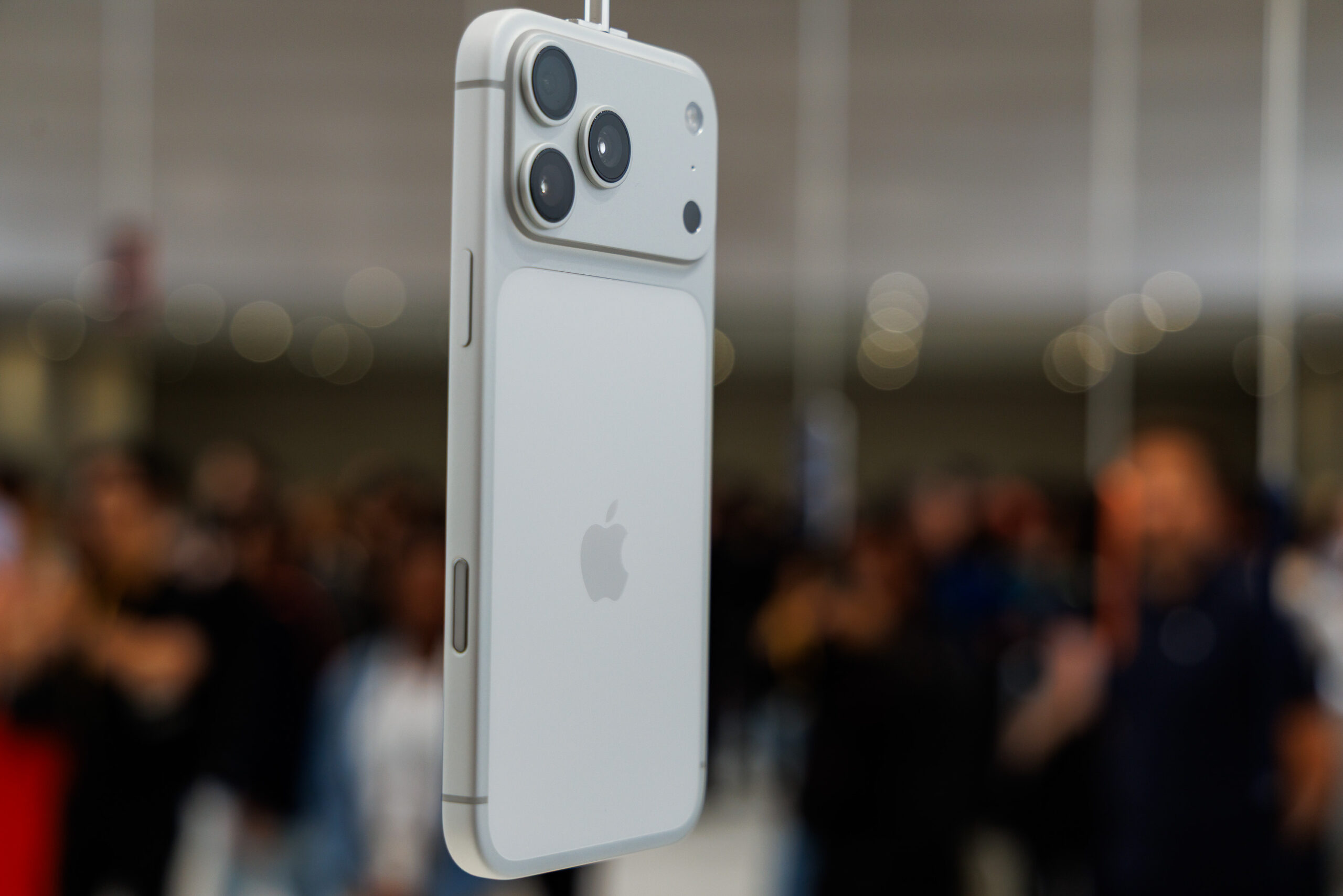
Each year, new Android flagships arrive promising technical triumphs. Vivo’s X300 Pro, Oppo’s Find X9 Pro, and Xiaomi’s Ultra series now deliver sharper optics, truer color science, and flexible manual control that would once have shamed a DSLR. Yet among photographers and content creators, the iPhone 17 Pro remains the default tool. The reason is rarely about power or hardware. It’s about perception.

The iPhone has become a visual language. Its look — warm skin tones, soft contrast, forgiving highlights — has trained audiences to see it as the standard of “natural.” In social feeds and videos, that familiarity is disarming. It feels correct before anyone stops to think why.
When Accuracy Feels Wrong
Take two portraits of the same person: one from a Vivo X300 Pro, another from an iPhone 17 Pro. The Vivo’s shot is technically more faithful — precise micro-contrast, realistic color transitions, detail in every hair strand. The iPhone softens the scene, gently compressing tones so faces look even and light spreads like cream.
To an untrained eye, the Vivo’s accuracy can appear harsh. Its realism betrays a world that audiences have learned to prefer softened. Even experienced creators sense it when editing: the technically perfect Android image feels heavier, more clinical. The iPhone image — easier, smoother — simply flows.
Apple’s Hidden Advantage
Apple’s real strength lies not in the sensor but in the system. Its entire imaging pipeline, from capture to upload, behaves with predictable harmony. The result holds steady across devices, platforms, and compression algorithms. When a creator opens their feed, the iPhone’s tone mapping remains intact, while Android’s diversity of interpretations can falter in transit.
That reliability builds trust. A filmmaker can frame, shoot, and post knowing the look will survive the journey. A portrait photographer can shoot on their iPhone and hand the footage to an editor without worrying about color surprises. In that sense, the iPhone aesthetic is not just style — it’s workflow stability disguised as taste.
The Cultural Baseline
This stability has consequences. It defines what people expect to see. Over time, the iPhone look has become synonymous with “authentic.” Even Android users who recognize the technical superiority of their cameras often revert to Apple’s interpretation for human subjects — not out of loyalty, but social instinct. They know how the iPhone renders emotion. They know how it flatters skin.
For creators in relationships, collaborations, or social storytelling, that consistency matters. If one partner uses an iPhone 17 Pro Max and the other a Vivo X300 Pro, the visual mismatch can feel subtle yet disruptive. The tones don’t align, the warmth shifts, and cohesion dissolves. The creative impulse bends toward the more familiar visual rhythm.
Beyond the Spec Sheet
This is the paradox that Android manufacturers have yet to solve. They can win every benchmark, perfect every lens, and still lose the cultural argument. The iPhone’s soft rendering is not just an optical choice — it’s a form of social engineering. Apple built an emotional default, not a technical one.
To surpass it, Android will need more than precision. It will need coherence — a shared image culture that makes its realism feel natural, not alien. Until then, creators will keep choosing the iPhone, not because it’s better, but because it looks right.
Go to TECHTRENDSKE.co.ke for more tech and business news from the African continent.
Follow us on WhatsApp, Telegram, Twitter, and Facebook, or subscribe to our weekly newsletter to ensure you don’t miss out on any future updates. Send tips to editorial@techtrendsmedia.co.ke

