Your Phone Survived the Rain, But Would It Survive the Pool? A Look at IP67, IP68, and IPX8
The gap between IP67, IP68 and IPX8 looks small on paper, yet it can mean the difference between a quick rescue and a dead device.


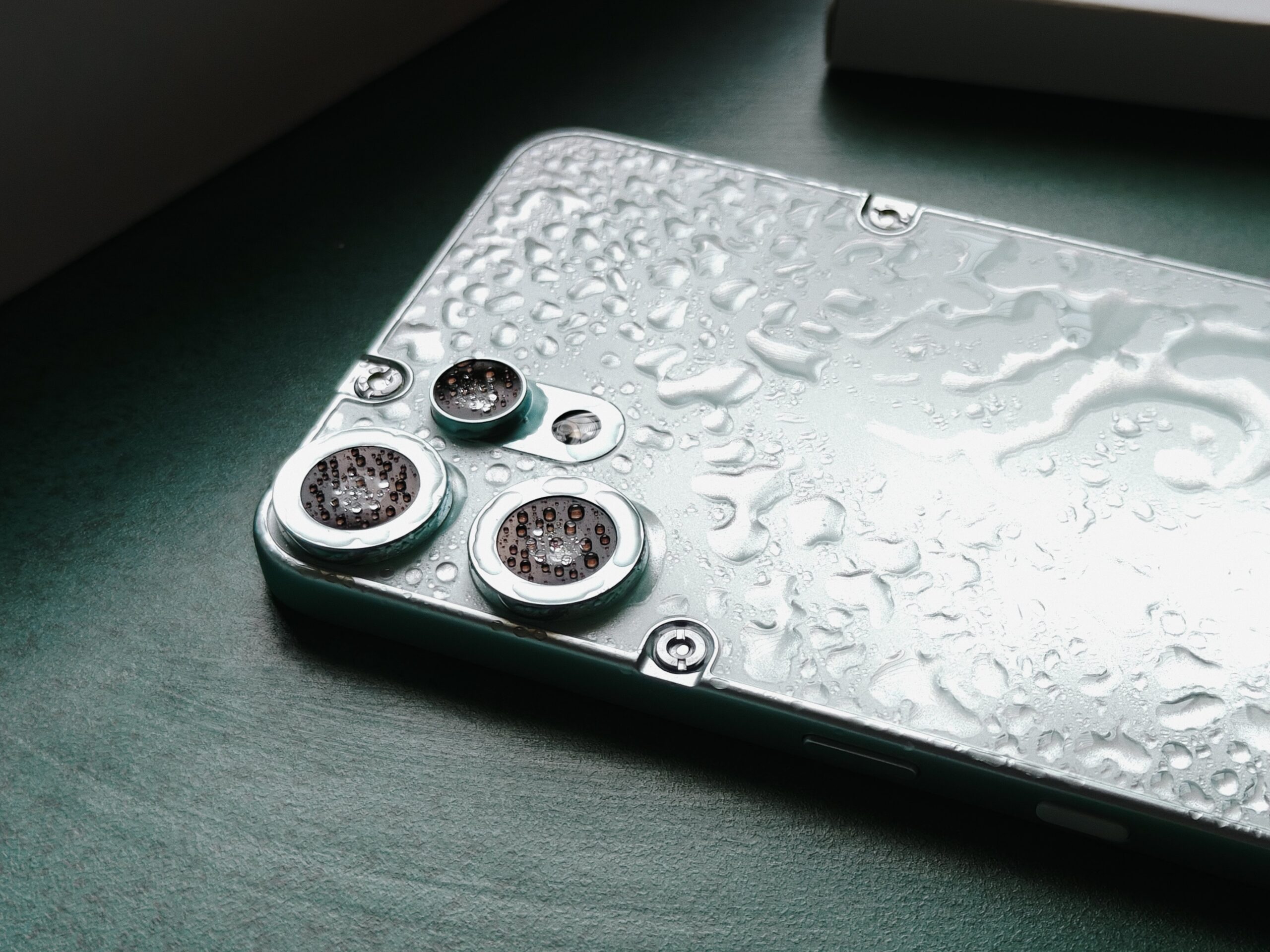
Phones now sell on toughness as much as on camera tricks. You will see IP67, IP68 or IPX8 stamped in the specs and assume you know what that promises. The truth is messier. This piece pulls apart the labels, the testing, the incentives that shape them, and the real-world scenes where this kind of protection matters or fails.
The simple code that hides a complex test
The IP code is a two-digit shorthand. The first digit speaks to solids, the second to liquids. That part is straightforward. Trouble starts with what the second digit does not say. An IP68 claim guarantees at least a baseline: the device survived immersion in one meter of fresh water for thirty minutes. It does not tell you the exact depth a maker tested to, the temperature used, whether movement was involved, or how salt and chemicals factor in. Some manufacturers publish more detail. Others leave the line intentionally vague.
So when two flagships both list IP68, they have met the same minimum. They may be worlds apart at the margins. One phone might be rated for one and a half meters, another for six meters. The numbers do not explain whether the test used static water, or whether pressure was applied. They also do not capture long-term degradation: seals can loosen, adhesives fail, and tiny abrasions open pathways for moisture months after purchase.
Why the lab and the pool are different places
Testing happens under controlled conditions: fresh water, fixed temperature, calm environment. Real life rarely obeys those constraints. Moving your phone while submerged increases dynamic pressure. A wave hitting a hand placement can double the local force on a seam. Chlorinated pools introduce oxidizing chemicals that, over time, corrode tiny metal parts. Saltwater is worse: it conducts, it corrodes, and it leaves residues that invite future failure.
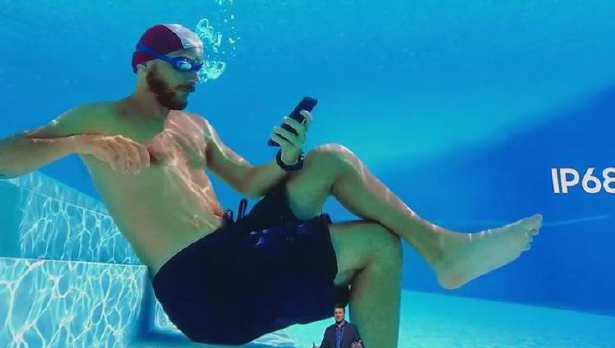
Manufacturers know this. The test is a baseline safety check, not a guarantee for underwater use. Some advertisers lean on the rating to suggest robustness in everyday accidents. That is a reasonable expectation. It is not permission to use the phone as an underwater camera.
Where the ratings do, and do not, protect you
If your phone slides off a café table into a puddle, the IP rating is the cushion you want. Same if you take a call in a drizzle. The rating buys you time and a chance to dry and recover. It is not a substitute for waterproofing in the sense of scuba gear. If you drop the phone while diving or into a surf zone, chemical and mechanical stresses exceed what the label describes.
Consider devices that carry an X in the first digit, like IPX8. That X means the maker did not submit dust testing data. The device may be water-tolerant, but it might allow fine grit in, and sand is the slow enemy of connectors. Earbuds and fitness wearables often use IPX8 because their use case prioritizes sweat and water; they might not be sealed against dust in the same way a phone is.
The warranty and the fine print: where consumers get burned
One pattern stands out. Companies will test beyond the IEC minimum and tout that extra depth in marketing. Then the warranty has a clause that says water damage is not covered, or that coverage does not apply if the device shows any signs of tampering. The marketing message and the after-sales reality are at odds. A shallow pool dip that follows months of microscopic wear can be treated by a manufacturer as user negligence.
There are plausible outcomes from this tension. Firms that advertise impressive depth limits risk higher returns and warranty claims. Insurers and retailers notice. Over time, we could see warranty language tighten, or conversely, independent third-party testing become a consumer expectation. Either scenario reshapes buyer trust.
The economics behind the tests
Testing costs money. To claim an IP number you must undergo a standardized process. For many makers of budget phones, the calculation is simple: skip the test and apply water-repellent coatings or rubberized gaskets. Those measures work for brief splashes but are not the same as a certified rating. For premium devices, the cost is part of the package. It becomes a competitive lever when a phone can credibly claim higher-than-minimum immersion depths.
Beyond cost, there is product design trade-offs. Better seals add assembly steps, slightly thicker bezels, and sometimes more complex repair procedures. Phones are built around compromises between thinness, weight, antenna performance, and serviceability. Water resistance usually nudges decisions in favor of sealed units that are harder for a consumer to open or for a small repair shop to fix.
Consumer misunderstandings and risky behaviors
A common misconception is treating IP68 as a license to take the phone swimming. That belief has patterns. People bring phones to pools, clip them to armbands while at the beach, or attempt shallow snorkeling shots. Some of those experiments end with minor damage, others with full failure. The risk accumulates. A device that has been dropped, repaired, or used in dusty environments will almost certainly have a degraded seal. The IP rating applies to the device as tested, not to every device sold.
A practical shift might follow. Phones could arrive with clearer labelling that separates short-term splash resistance from longer-term immersion tests. Retailers could test refurbished units and note diminished resistance. Right now the user is on their own, guessing at a number.
What regulators and standards might do next
There is room for regulatory tightening. Agencies could require clearer disclosure about the exact conditions used in the test: depth, temperature, movement, and whether the device was tested with accessories attached. They could also standardize how long a manufacturer must honor water-damage warranty claims. That would move the market toward transparency and reduce the gap between advertisement and after-sales outcomes.
Alternatively, the industry could self-correct. Third-party testers and consumer labs already publish comparative submersion tests. If those reports gain traction, buyers will begin to favor devices with documented real-world performance rather than specs that end in “8” or “7.” That would shift marketing away from the shorthand and toward fuller accounts of performance.
Practical rules to live by
Trust the rating for minor accidents. Do not treat it as permission to take the phone underwater for long periods. Rinse a device that has been in saltwater with fresh water, but only after powering it down. Keep in mind that sealed devices age. Consider a secondary waterproof camera or a dedicated action camera for extended underwater use. If you value durability, ask a seller what the manufacturer’s exact tested depth was, and inspect the warranty for water-damage exclusions.
A short, stubborn thought about the design trade-offs
Engineers work inside constraints. They choose adhesives, select ultrasound welds, and decide how many screws to hide behind glue. A phone that is easy to open will be easier to fix, but it will be harder to seal. A phone sealed tight will offer better resistance at purchase, but it will be more likely to be replaced than repaired. That trade-off sits beneath the IP numbers and shapes the market in ways the spec sheet does not show.
What might change next
If consumer expectations shift, the industry has two paths. One is to beef up testing and warranty clarity, so buyers know exactly what they pay for. The other is to make phones so cheap and sealed that failure becomes irrelevant to the business model. A third possibility, less likely but interesting, would be the rise of modular, repairable phones with replaceable sealed cores. That design would try to square repairability with water resilience, although it would require rethinking current manufacturing economics.
Final reading: what the numbers are, in plain terms
IP67 gives you dust protection and refuge from short submersion near one meter. IP68 promises immersion protection, but it asks you to read the fine print because depth and conditions vary. IPX8 tells you the water test was done, but it leaves dust protection unverified. None of these labels mean the phone is suited to be underwater equipment. They are safety nets for accidents, not guarantees for recreational immersion.
Go to TECHTRENDSKE.co.ke for more tech and business news from the African continent.
Mark your calendars! The GreenShift Sustainability Forum is back in Nairobi this November. Join innovators, policymakers & sustainability leaders for a breakfast forum as we explore sustainable solutions shaping the continent’s future. Limited slots – Register now – here. Email info@techtrendsmedia.co.ke for partnership requests.
Follow us on WhatsApp, Telegram, Twitter, and Facebook, or subscribe to our weekly newsletter to ensure you don’t miss out on any future updates. Send tips to editorial@techtrendsmedia.co.ke
TechTrends Media Podcasts

