Kenya Pitched Olkaria as Africa’s First Green Mega Data Center — Now Delays Threaten to Undermine Its Digital Transformation Goals
The billion-dollar project in Olkaria was supposed to show how Africa could build data power on its own terms — but the delays tell another story


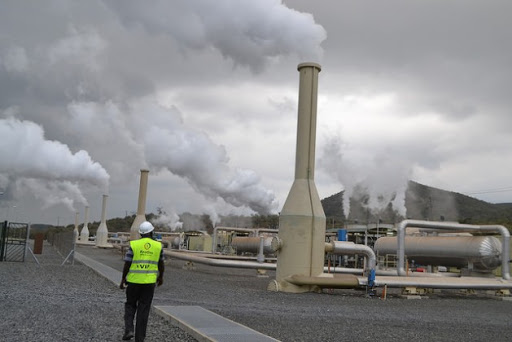
In May 2024, Kenya’s government unveiled a deal with Microsoft and G42, the Abu Dhabi-based AI firm, to build a $1 billion data center campus in Olkaria. The announcement carried all the hallmarks of a historic moment: a facility powered entirely by geothermal energy, the creation of an East Africa Cloud Region, and the symbolic claim of “digital sovereignty” — the right to store and process Kenyan data within its own borders.
The project promised to be more than just racks of servers in a field. It was presented as the cornerstone of a national digital agenda, tying renewable energy to cloud services, AI model development in Swahili and English, and a leap toward positioning Kenya as a regional hub for digital infrastructure.
Yet more than a year later, the Olkaria fields remain quiet. No cranes. No groundbreaking. Just questions.
The Gap Between Announcement and Reality
The Microsoft–G42 partnership was expected to break ground by the third quarter of 2024. Timelines pointed to a 24-month window before the facility would be operational. That window is closing, and the promised progress is nowhere to be seen.
Government officials insist the deal remains on track, but multiple site visits and reporting show otherwise. The land designated for the data center still looks untouched. Financing structures remain opaque. Even the definitive agreements that would lock the project into motion have not been publicly disclosed.
The delay underscores a pattern familiar to African megaprojects: high-profile announcements, press releases full of superlatives, and then a slow grind of feasibility studies, regulatory hurdles, and financing headaches.
Why Olkaria Was Supposed to Be Different
Olkaria is not just another site. Its geothermal fields, managed by KenGen, provide reliable renewable power — a rarity on a continent where many countries still rely heavily on fossil fuels or unstable hydroelectric supply. A green-powered data center promised to tick multiple boxes: climate goals, reliable baseload energy, and an international showcase for Africa’s role in the global digital economy.
By linking data sovereignty to renewable energy, Kenya positioned itself as an innovator. Few projects globally can claim to anchor AI infrastructure directly to geothermal baseloads. The pitch was compelling — but execution is proving elusive.
The Geopolitics Behind the Project
The Olkaria deal is not just about servers and sustainability. It is also a move in the ongoing digital tug-of-war between China, the U.S., and Gulf allies.
- China’s presence: Huawei and ZTE have already built Africa’s telecom backbone, from undersea cables to mobile networks. Chinese financing in technology projects across Africa between 2005 and 2025 topped $7.9 billion, with Ethiopia and Nigeria leading the inflows.
- The U.S.–UAE counterweight: By teaming up with G42, Microsoft aligned itself with Gulf capital and U.S. tech credibility. The Olkaria data center was pitched as a direct answer to China’s head start in digital infrastructure.
That framing, however, cuts both ways. Geopolitical projects often carry political momentum at the start but can stumble when commercial realities catch up. If financing models or demand projections don’t hold, the political symbolism won’t pay the bills.
Where Kenya’s Olkaria Fits in a Continent-Wide Data Race
Across the continent, Africa’s data center story is being written unevenly. South Africa has emerged as the established hub, attracting Amazon Web Services, Microsoft, and Google. Nigeria has leapfrogged into second place, buoyed by private investment and a rapidly growing population that is creating consumer demand at scale. Ethiopia, meanwhile, has leveraged Chinese partnerships to rapidly expand its telecom backbone, positioning itself as an East African challenger despite political instability.
Kenya, with its tech-savvy population and geothermal advantage, should be a natural leader. But the Olkaria delays are reshuffling perceptions. Investors may start asking: is Nairobi still the obvious bet, or are Johannesburg, Lagos, and Addis Ababa pulling ahead? In this way, the Olkaria project isn’t just about a single site in Naivasha. It’s about whether Kenya can keep pace in Africa’s wider race for digital infrastructure — a race increasingly defined by the ability to balance geopolitics with hard economics.
Kenya’s Olkaria Data Center: The Questions Hanging Over Its Future — And What Might Happen Next
- Has the definitive financing deal been signed?
Likely not in full. Early commitments were announced, but reports suggest parties are still refining cost-sharing between G42, Microsoft, and Kenyan state entities. Without clear equity stakes, lenders hesitate. A partial signing may exist, but not the kind that guarantees shovels in the ground. - Will Kenyan government agencies anchor demand?
Almost certainly — but scale matters. Kenya’s eCitizen platform, tax services, and health records digitization could provide an initial client base. Yet government usage alone may not justify a billion-dollar facility. Unless private banks, telcos, and fintechs commit, demand may remain too thin. - How does Olkaria compare to Nigeria and South Africa?
Nigeria’s data boom is demand-driven, riding on a population of 230 million and a fintech ecosystem hungry for local cloud services. South Africa has the best connectivity and investor familiarity. Kenya, by contrast, has a smaller consumer base but a stronger narrative around renewable energy. In other words, Olkaria is unique, but not necessarily competitive at scale. - Can geothermal really provide a cost advantage?
In theory, yes — baseload geothermal avoids the volatility of hydropower or diesel. But water needs for cooling, plus the expansion of fiber to and from Naivasha, may eat into those savings. The advantage could erode unless paired with regulatory incentives or subsidies. - Will delays let China strengthen its position in East Africa?
Almost certainly. Huawei continues to expand cloud partnerships across Africa, often at lower upfront costs and with faster build times. If Olkaria stalls too long, Huawei-backed data centers in Ethiopia and Tanzania could establish themselves as the go-to East African infrastructure, leaving Kenya struggling to catch up.
The Stakes Going Forward
Kenya’s $1 billion Olkaria data center remains a symbol — of ambition, of geopolitical rivalry, of the desire for African nations to own their digital destinies. But without shovels in the ground, it risks joining a long list of projects that looked transformative on paper but stumbled in practice.
If completed, Olkaria could become a template for renewable-powered, sovereignty-driven digital infrastructure in Africa. If not, it will serve as a cautionary tale about overpromising in a high-stakes global race for digital dominance.
Go to TECHTRENDSKE.co.ke for more tech and business news from the African continent.
Mark your calendars! The GreenShift Sustainability Forum is back in Nairobi this November. Join innovators, policymakers & sustainability leaders for a breakfast forum as we explore sustainable solutions shaping the continent’s future. Limited slots – Register now – here. Email info@techtrendsmedia.co.ke for partnership requests.
Follow us on WhatsApp, Telegram, Twitter, and Facebook, or subscribe to our weekly newsletter to ensure you don’t miss out on any future updates. Send tips to editorial@techtrendsmedia.co.ke
TechTrends Media Podcasts

