Can Video Podcasts Redefine Spotify’s Place in Media? Creators and Advertisers Take Notice
When audiences expect the screen as much as the sound: transforming passive listeners into active watchers


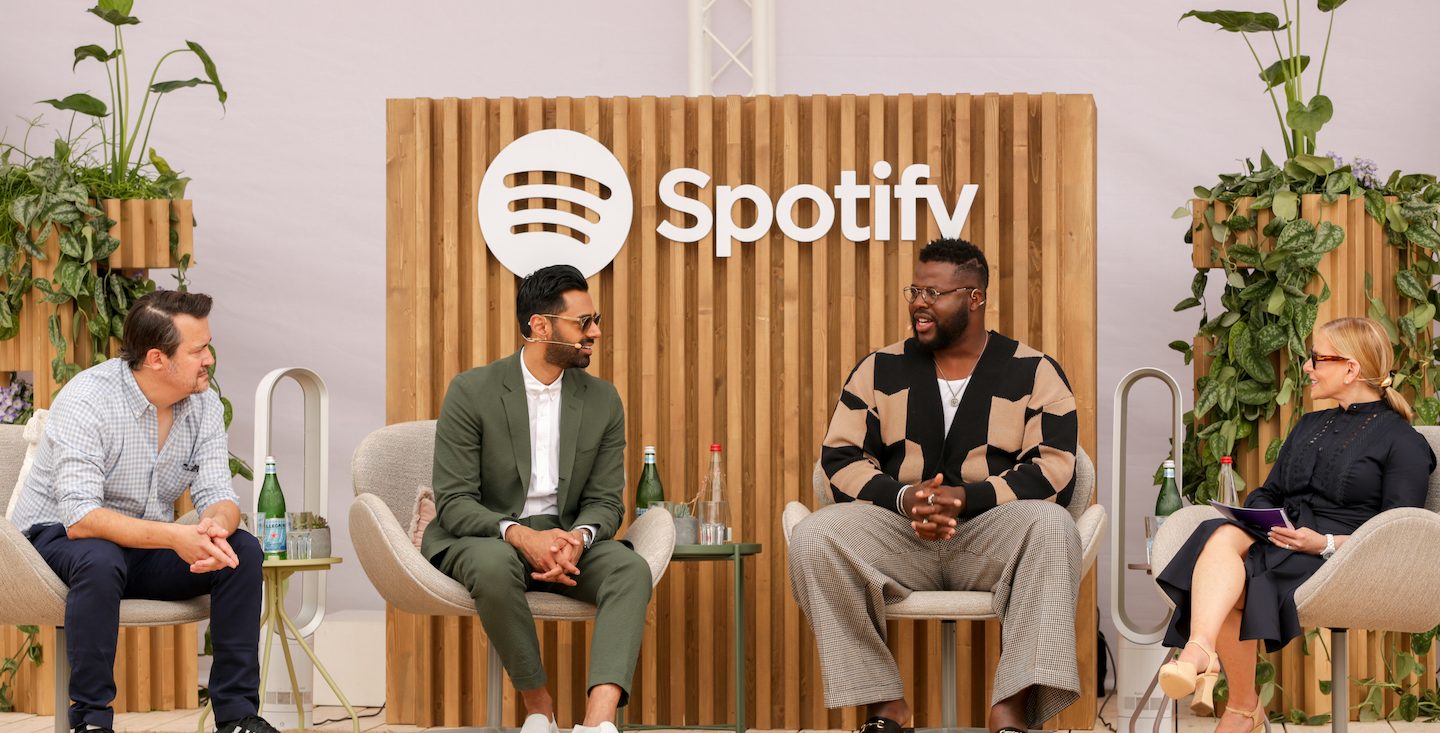
Spotify, long known as an audio-first platform, is layering in video content. Playlists, podcasts, and audiobooks remain central, but video opens new doors for creators and advertisers alike.

“Creators wanted more than sound—they wanted reach, presence, and richer storytelling. We responded by enabling video while keeping them free to share elsewhere,” says Alex Nordstrom, Spotify’s co-president.
Video Changes How Users Interact With Content
Video allows users to watch, pause, and return to content, creating longer sessions and deeper engagement. For advertisers, this is a rare opportunity to reach audiences who are attentive and invested.
Jeff Green, CEO of The Trade Desk, explains:


“Spotify combines scale with attention. It offers a premium environment compared to feed-based platforms where users often scroll past content.”
Spotify’s hybrid model—paid subscriptions and ad-supported free users—gives brands access to younger audiences with growing purchasing power. Ads are integrated naturally into the listening experience, creating value for both users and advertisers.
Creator Reach and Engagement Metrics
Spotify’s combination of video and audio allows for measurable engagement. Key metrics for creators and advertisers are highlighted in the table below:
| KEY Metric | Audio Only | Video Podcast | ENGAGEMENT |
|---|---|---|---|
| Average Session Duration | 50 minutes | 80 minutes | Video encourages longer engagement |
| Average User Interaction | Medium | High | Users click, pause, and engage with content |
| Monetization Opportunities | Limited | Expanded | Video allows for ad insertion and sponsorships |
| Syndication Potential | Moderate | High | Video content can be shared across platforms |
| User Retention Rate | 65% | 82% | Video improves returning audience |
Creators Gain Flexibility and Reach
Creators can now publish video podcasts without being restricted to Spotify. This flexibility supports syndication across platforms, while Spotify tracks deeper engagement metrics like session length and user interaction.
“Metrics like sessions, time spent, and active engagement make Spotify appealing for creators,” Nordstrom adds.
Interactive features, including AI-driven playlists, invite users to make choices rather than passively consuming content. This contrasts with platforms dominated by endless feeds, giving Spotify a distinctive edge.
Implications for Media and Advertising
Spotify’s move isn’t about replacing YouTube or traditional audio—it’s about blending audio and video to reward active engagement. Advertisers gain access to focused audiences, and creators reach fans in richer ways.
Here’s how Spotify compares to other major platforms in terms of advertising and engagement:
| Platform | Audience Type | Engagement Style | Ad Opportunities |
|---|---|---|---|
| Spotify (Video) | Mixed (Free + Paid) | Interactive & Lean-In | High: pre-roll, mid-roll, sponsorships |
| YouTube | Free + Premium | Feed-based | Medium: display & video ads |
| TikTok | Primarily Free | Swipe/Feed | Medium: sponsored content, short ads |
| Netflix (Ad-supported) | Paid + Free | Lean-back viewing | Low-Medium: limited ad insertion |
Video podcasts are transforming how media is consumed and monetized. Spotify positions itself as a hub for interactive, immersive experiences where attention is earned rather than assumed.
Go to TECHTRENDSKE.co.ke for more tech and business news from the African continent.
Mark your calendars! The TechTrends Pulse is back in Nairobi this October. Join innovators, business leaders, policymakers & tech partners for a half-day forum as we explore how AI is transforming industries, driving digital inclusion, and shaping the future of work in Kenya. Limited slots – Register now – here.
Follow us on WhatsApp, Telegram, Twitter, and Facebook, or subscribe to our weekly newsletter to ensure you don’t miss out on any future updates. Send tips to editorial@techtrendsmedia.co.ke
TechTrends Media Podcasts

