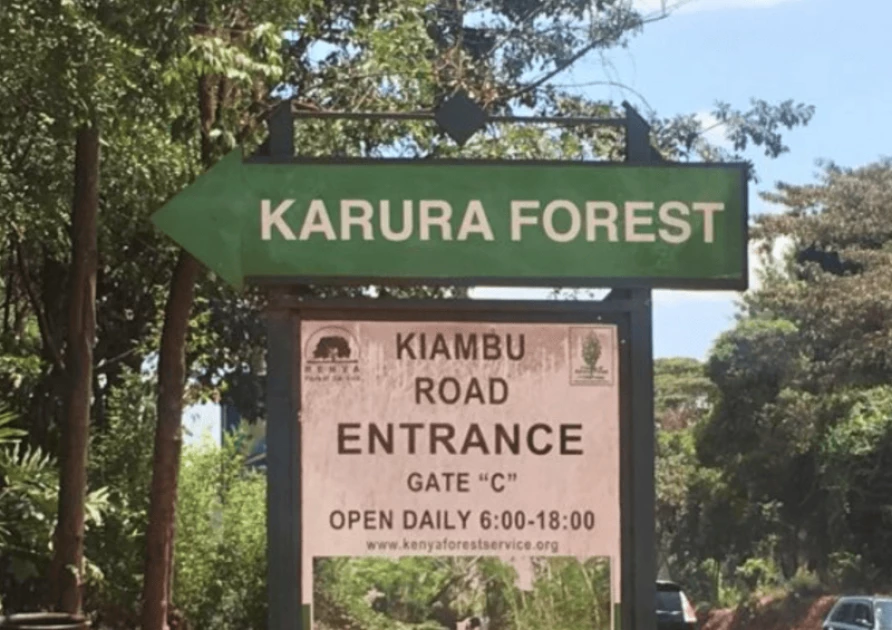
A deepening dispute between the Kenya Forest Service (KFS) and the Friends of Karura Forest (FKF) has thrown one of Nairobi’s most cherished green spaces into turmoil, raising concerns for conservation, community livelihoods, and educational programs.
The standoff began when KFS moved to centralize all revenue collection from Karura Forest through the government’s eCitizen platform, ending a long-standing joint arrangement with FKF. The Friends of Karura argue that this unilateral shift cuts them out of the revenue management system that has underpinned the forest’s transformation for over a decade. KFS defends the move as a way to improve transparency, curb revenue leakages, and ensure greater accountability, insisting that services at the forest remain uninterrupted and that employees will not lose their jobs.
FKF, however, says the decision has already disrupted vital conservation and community initiatives. The group cites the suspension of the Karura Forest Environmental Education Trust (KFEET), which reached around 300 schoolchildren weekly, bursary-funded bike shop programs, and forest regeneration projects. In addition, they warn that 196 community workers and contractors risk losing employment, with about KSh 2 million in community contract work each month now in jeopardy.
The clash has not only placed workers and children’s bursaries at risk but also tested the legal framework underpinning the co-management of Karura. The Karura Forest Management Plan (2021–2041), a document recognized in law, enshrines joint oversight between KFS and FKF. Civil society groups point to the Forest Conservation and Management Act of 2016, which requires public participation, community involvement, and cooperative management in safeguarding public forests. By sidelining FKF, critics argue, KFS is undermining both the management plan and the spirit of the law.
Accusations have flown from both sides. KFS has accused FKF of financial irregularities, claiming it failed to submit audited accounts and work plans as required, misapplied revenue surpluses, and misled the public about alleged land grabs. FKF has rejected these charges, insisting that its financial records are sound and regularly audited, and arguing that the takeover is politically motivated. The Friends have since gone to court, seeking to overturn the eCitizen directive and restore the original joint revenue model. A court hearing is scheduled for September 22, a date many see as pivotal for the future of the forest.
Karura’s plight has drawn appeals from environmental activists and civil society organizations. Fiu Nifiu and other advocacy groups have urged both parties to de-escalate and enter mediation, warning that “when elephants fight, it is the grass that suffers.” They argue that Karura’s success story—transforming from a dangerous and neglected woodland into a thriving urban forest of more than 1,000 hectares—was only possible through the partnership of government, communities, and non-profits.
Despite the tensions, visitors continue to stream into the forest for walks, cycling, and picnics, seemingly shielded from the storm brewing behind the scenes. Yet uncertainty hangs heavy. With community livelihoods, conservation projects, and children’s education at stake, the dispute risks eroding the very gains that made Karura a model of collaborative conservation.
The resolution of this conflict will determine not just the forest’s future but also set a precedent for how Kenya balances government oversight, community involvement, and civil society partnerships in managing its natural resources.
Mark your calendars! The GreenShift Sustainability Forum is back in Nairobi this November. Join innovators, policymakers & sustainability leaders for a breakfast forum as we explore sustainable solutions shaping the continent’s future. Limited slots – Register now – here
Follow us on WhatsApp, Telegram, Twitter, and Facebook, or subscribe to our weekly newsletter to ensure you don’t miss out on any future updates. Send tips to editorial@techtrendsmedia.co.ke