

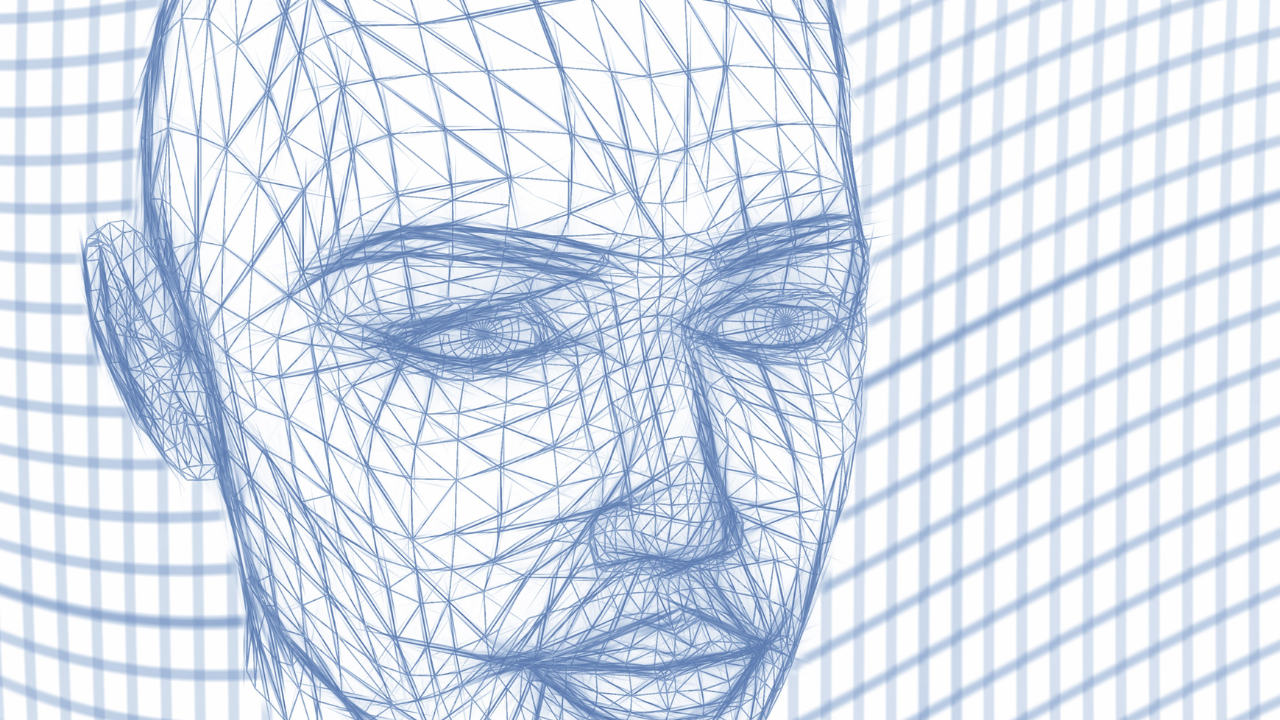
Artificial Intelligence (AI) is revolutionizing industries in different ways. However, the media industry faces a particularly high risk of manipulation and crisis due to synthetic media—content that is fake yet convincingly realistic, making it difficult for people to distinguish between truth and fabrication.

Synthetic media, which refers to AI-generated content that includes multimedia elements, is now widely circulating on social media platforms. Much of it is misleading or manipulative, yet so highly polished that it is nearly indistinguishable from authentic content.
One of the most notorious forms of synthetic media is deepfakes—AI-generated videos and audio recordings designed to fabricate events or impersonate individuals. These raise serious concerns about misinformation and impersonation, given their ability to deceive audiences and mimic real people.
Deepfakes are often used to mislead viewers or spread hate. For example, during the Gen-Z protests earlier this year, numerous deepfake videos surfaced online. Some falsely depicted massive turnouts in Nairobi, while others used footage from previous years or entirely different locations outside Kenya. Investigations later confirmed that many of these videos were AI-generated.


Opportunists have also weaponized deepfakes for impersonation, threats, and blackmail. A few months ago, New Zealand MP Laura McClure displayed a censored image of herself in parliament to demonstrate how quickly a deepfake could be created. The photo was not real, yet it highlighted the disturbing ease with which such content can cross personal and ethical boundaries.
The rise of synthetic media has also fueled cybercrime. Verified media outlets, meanwhile, face unprecedented challenges. Their credibility and trustworthiness are at stake, as audiences increasingly struggle to separate authentic reporting from fabricated content. When false information spreads rapidly, legitimate newsrooms often cannot match the speed required to debunk and correct it.

To address this, media companies must invest in advanced technological tools to detect deepfakes and actively educate the public about the risks of synthetic media. At the same time, audiences have a responsibility to verify information by relying on credible, authenticated sources before consuming or sharing news.
As we continue to embrace technology, it is crucial to remain mindful of both its positive and negative impacts, and to proactively address the risks of synthetic media before they escalate into a full-blown crisis.
Go to TECHTRENDSKE.co.ke for more tech and business news from the African continent and the world.
Mark your calendars! The TechTrends Pulse is back in Nairobi this October. Join innovators, business leaders, policymakers & tech partners for a half-day forum as we explore how AI is transforming industries, driving digital inclusion, and shaping the future of work in Kenya. Limited slots – Register now – here.
Follow us on WhatsApp, Telegram, Twitter, and Facebook, or subscribe to our weekly newsletter to ensure you don’t miss out on any future updates. Send tips to editorial@techtrendsmedia.co.ke


