Trump’s GENIUS Act Could Reshape Africa’s Use of Dollar-Backed Stablecoins
As the U.S. passes its first stablecoin law, African users—who rely on dollar-pegged crypto for savings, remittances, and trade—could face a new era of regulation and risk.


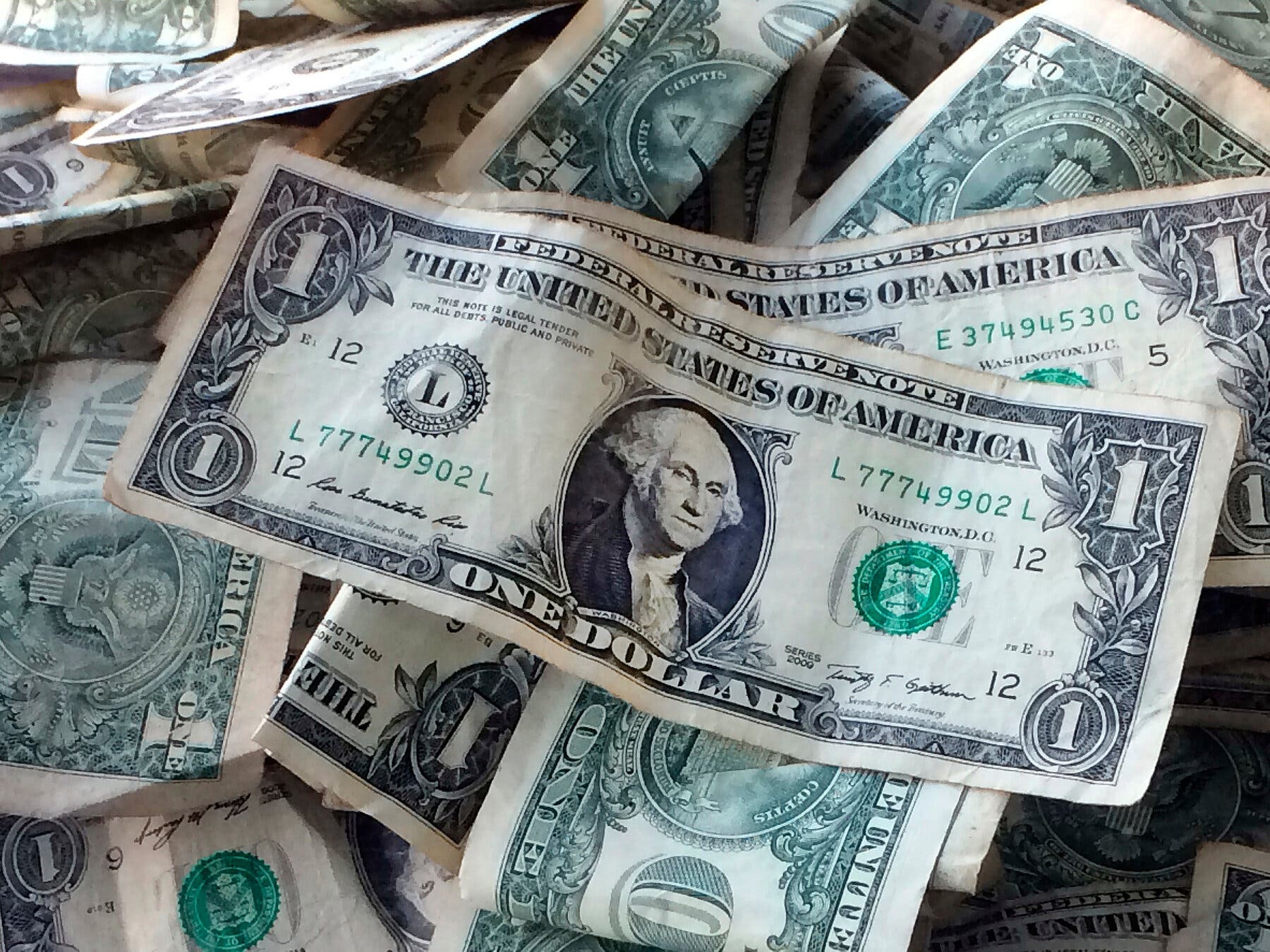
President Donald Trump has signed the GENIUS Act, America’s first federal law to regulate stablecoins—digital currencies pegged to the U.S. dollar. While the law is being touted in Washington as a tool to strengthen the dollar’s global dominance, its ripple effects will be deeply felt across Africa, where dollar-backed stablecoins have become essential to daily economic survival.
From Nigeria to Kenya to Ghana, millions now use USDT and USDC to hedge against inflation, receive remittances, and bypass unstable banking systems. In countries with rapid currency devaluation, these dollar-pegged tokens offer a digital lifeline—making the GENIUS Act’s impact far more than a domestic policy move.
A Lifeline Under Regulation
The GENIUS Act introduces strict guidelines for who can issue stablecoins, how reserves must be held, and how money laundering must be prevented. That might sound like a U.S. problem—but because most of the world’s stablecoins are dollar-based and issued by American entities like Circle (USDC) and Tether (USDT), the law could shape access and behavior globally.


For Africa, where many users don’t have bank accounts but do have smartphones, stablecoins have become a workaround for weak national currencies, capital controls, and exorbitant FX spreads.
How Africans Use Stablecoins Today
| Use Case | Why Stablecoins Matter |
|---|---|
| Savings & Inflation Hedge | Protects value in countries like Nigeria, Ghana, Zimbabwe |
| Freelance Payments | Offers dollar-equivalent pay with low fees, especially on P2P platforms |
| Cross-Border Trade | Helps merchants move digital dollars between African and Asian markets |
| Crypto Remittances | Cuts out high-fee remittance services like Western Union or SWIFT |
What the GENIUS Act Could Change
- Tighter KYC/AML enforcement: Users in Africa could face more stringent identity requirements when accessing or redeeming stablecoins, even through decentralized wallets.
- Issuer concentration: Smaller, African-friendly stablecoin projects could be crowded out by U.S. giants who meet new legal standards.
- Geopolitical exposure: African reliance on U.S. digital dollars now makes countries more exposed to American policy decisions and enforcement actions.
A Double-Edged Sword
Trump positioned the bill as a move to protect American interests. “This will secure the dollar’s status as the world’s reserve currency,” he said, claiming that crypto-backed dollars would beat out state-run alternatives like China’s digital yuan.
But critics like Senator Elizabeth Warren argue that the law enables corruption and favors Trump’s own family-linked crypto firm, World Liberty Financial, which recently launched a stablecoin called USD1.
In Africa, where trust in political institutions is often low and financial inclusion is patchy, this American law may paradoxically create more friction for the very populations who benefited from stablecoins in the first place.
What Comes Next for Africa
If enforcement of the GENIUS Act leads to bank-style compliance for crypto wallets, stablecoins could become harder to access for unbanked users—undermining one of their biggest advantages. But if issuers manage to comply without restricting access, Africa may continue to see growth in digital dollar usage.
Some analysts warn of an emerging digital colonialism, where African economies are increasingly dependent on private U.S. stablecoin issuers who are answerable only to Washington, not Nairobi, Abuja, or Accra.
Mark your calendars! TechTrends Pulse lands in Nairobi this August! Join top tech leaders, innovators & AI experts for a half-day of keynotes, showcases & sharp insights on business transformation. RSVP now -limited slots available! Register here.
Follow us on WhatsApp, Telegram, Twitter, and Facebook, or subscribe to our weekly newsletter to ensure you don’t miss out on any future updates. Send tips to editorial@techtrendsmedia.co.ke

