
Performing Love and Labeling Pain: How TikTok Changed Modern Love for Gen Z
From TikTok’s aesthetic relationships to the rise of therapy speak, love today unfolds in hashtags, healing scripts, and audience-ready intimacy.

Love today isn’t just felt — it’s documented, shared, analyzed, and sometimes even diagnosed. TikTok, a platform known for its viral dances and chaotic trends, has quietly become one of the biggest influences on how young people date, argue, and define what love is supposed to look like.

Understanding how TikTok changed modern love means looking at more than aesthetics — it’s about how we perform, process, and sometimes even pathologize connection.
Aesthetic Love vs. Authentic Love: How TikTok Changed Modern Love
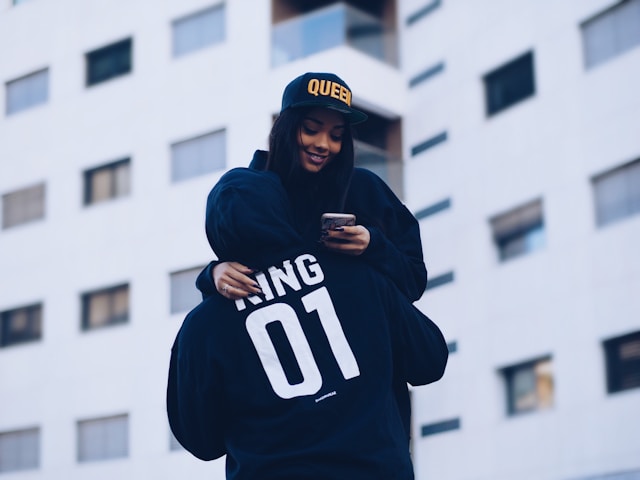
The TikTok version of love is curated for visual impact. Think candlelit dinners, matching sweatpants, long hugs in golden hour lighting — all edited to the beat of a trending song. This kind of content thrives because it hits fast and feels good. But it also sets expectations that real relationships rarely meet.
Love in real life doesn’t always trend. It includes awkward silences, personal growth, and arguments no one would ever record. But when viewers are constantly fed “perfect” relationships, it’s easy to feel like their own is broken simply for being ordinary.

Romance as Performance
Many couples now live partially on-screen. A surprise date isn’t complete until it’s posted. Anniversaries come with photo dumps. Breakups are framed as soft-spoken storytimes or text-slide confessionals. In some cases, love becomes a brand, and heartbreak becomes content.
While public vulnerability can be cathartic, it can also shift focus from connection to audience engagement. Relationships built for the timeline often struggle offline, where things are messier and less affirming.

The Therapy-Speak Era
Alongside visual performances, there’s been a sharp rise in the language of therapy on TikTok. Terms like “trauma bond,” “gaslighting,” “emotional regulation,” “boundaries,” and “love bombing” are no longer niche — they’re part of the dating conversation.
At its best, this gives people the tools to explain feelings, patterns, and harm that might’ve otherwise gone unnamed. A partner who once seemed confusing is now understood as “avoidant.” A breakup that felt chaotic can be labeled “trauma-informed.”
But this comes with trade-offs. The more people rely on therapy language to make sense of their relationships, the easier it becomes to diagnose rather than discuss, to label instead of listen.
Misuse and Over-Diagnosis
Not every mistake is gaslighting. Not every cold partner is a narcissist. And not every fight is emotional abuse. Still, on TikTok, clinical language often flattens emotional nuance.
What should be heartfelt conversations between partners turn into psychoanalytic deconstructions. People say things like, “You’re not respecting my boundaries,” when they really mean, “That hurt my feelings.” Others confuse self-protection with emotional shutdown — using words like “I’m dysregulated” to end rather than explore dialogue.
Therapy speak, while powerful, can become a shield — something that sounds emotionally intelligent but avoids actual emotional intimacy.
Fast Love, Quick Exits
TikTok’s culture encourages snappy judgments:
- “If he wanted to, he would.”
- “Protect your peace.”
- “Know your worth and walk away.”
While these lines can be empowering, they often skip the slower work of growth, compromise, and context. TikTok love is often love on a timer — brief, vivid, and gone before you know it. Real connection takes longer than a 60-second clip.
These rapid-fire mantras are just another example of how TikTok changed modern love, compressing big emotional experiences into something short, clickable, and easy to exit.
When Love Becomes Language
For some, TikTok has created emotional clarity. For others, it’s made dating feel like a minefield — one wrong word and you’re a red flag. The line between emotional intelligence and emotional scripting has never been thinner.
Still, the popularity of therapy speak points to something deeper: people are hungry to understand themselves and each other better. Even if TikTok’s approach is sometimes too quick or too simplified, the desire behind it — to love and be loved well — is sincere.
So What Now?
TikTok hasn’t ruined love. It’s just changed how we talk about it, share it, and sometimes perform it. The platform has given people vocabulary and visibility, but it has also created new kinds of pressure — to be healed, to be perfect, to be understood instantly.
Love doesn’t live in viral quotes or therapy buzzwords. It lives in the quiet, the conflict, the courage to show up without a script.
The question isn’t just how TikTok changed modern love. It’s whether we’re still willing to do the deep work of loving each other once the cameras stop rolling.
Follow us on WhatsApp, Telegram, Twitter, and Facebook, or subscribe to our weekly newsletter to ensure you don’t miss out on any future updates. Send tips to editorial@techtrendsmedia.co.ke


