
Even With Stable Pricing, Apple Music Still Faces a Reality: People Rarely Leave Spotify
Apple may hold the line on price, but most listeners are not uprooting years of playlists over a $1 difference

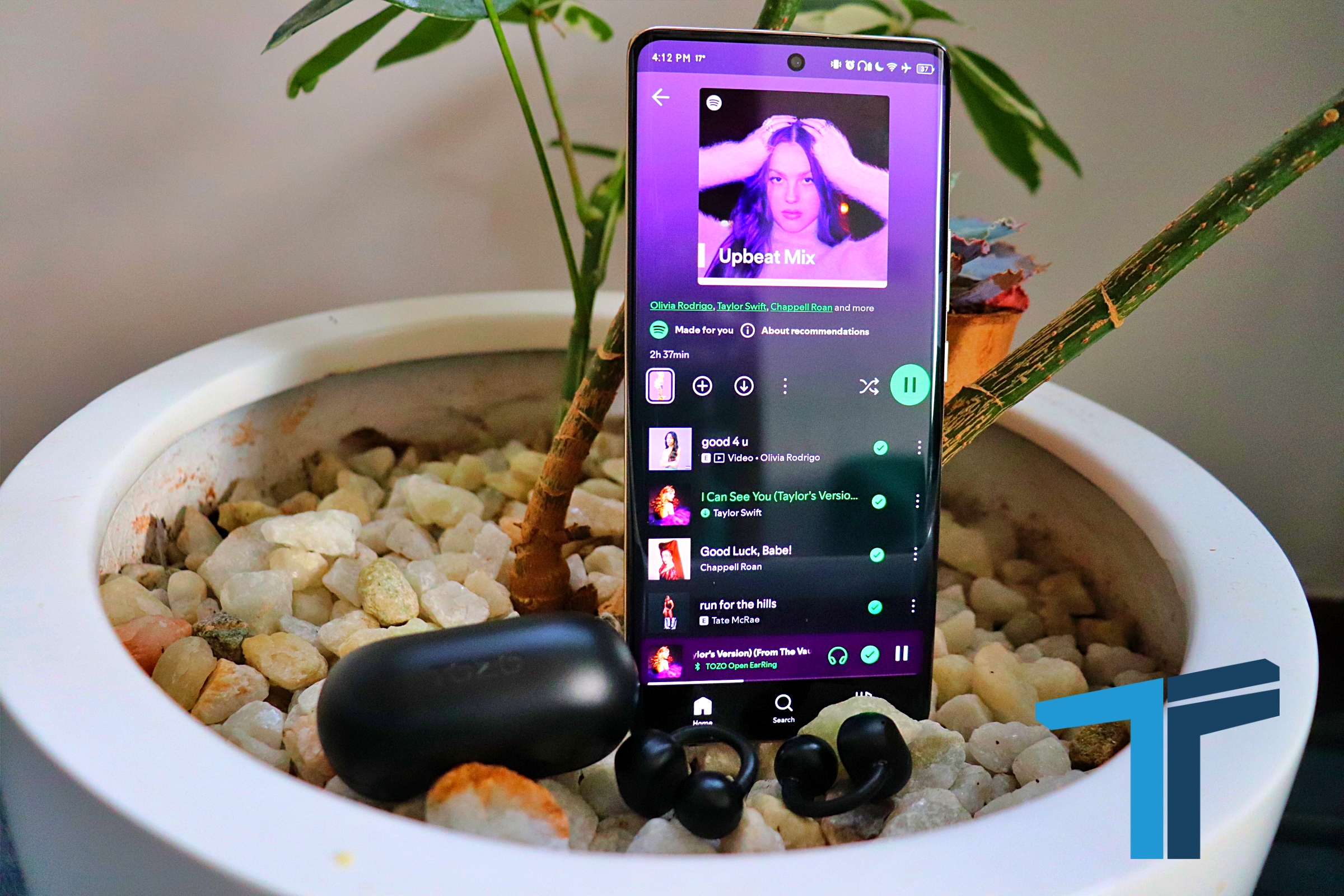
The latest price increase from Spotify settled into place with little disruption. New billing rates appeared, complaints surfaced briefly, and subscriptions continued to renew. Music streaming runs on accumulated habit. Listening histories build slowly over time, and once daily routines form, cancelling stops feeling like a simple cost decision and begins to feel like losing continuity.

The increase itself looks modest in isolation. In the US, the Individual plan moved from $11.99 to $12.99 per month. Kenya saw its own adjustments, with Individual rising from KES 339 to KES 419. On paper, these numbers invite comparison. In practice, they expose something deeper about how streaming competition now works. Pricing still matters, but not in the way platforms once assumed.
Music libraries accumulate slowly. Playlists become personal archives. Recommendation engines learn behavior over years, not weeks. Leaving a service begins to feel less like cancelling a subscription and more like abandoning memory.
That inertia explains why the conversation around pricing rarely translates into large subscriber exits. Users talk about switching. Few actually do.


Apple’s Timing and the Value Argument
When Apple Music posted its understated reminder that its price remained unchanged, the message resonated beyond marketing. The timing aligned perfectly with Spotify’s increase. The contrast was obvious without being stated outright. Apple Music continues to charge $10.99 per month for Individual plans in the US, unchanged since 2022, while including lossless audio and Spatial Audio at no additional cost.
The appeal here is straightforward. For users already inside Apple’s ecosystem, the service feels integrated rather than added on. AirPods, iPhone, Mac, CarPlay. The experience flows without friction. Audio quality becomes part of the value story rather than a premium feature.

Yet Apple Music’s strength doubles as its limitation. Outside Apple hardware, the experience remains competent rather than compelling. Discovery works, but it rarely surprises. Editorial curation carries weight, though it lacks the behavioral precision that keeps users opening the app out of habit. Apple’s approach assumes loyalty to hardware will extend naturally to services. That assumption holds for some users, but not universally.
The current price gap of $2 per month creates talking points. It does not automatically create migration.
Discovery as Infrastructure, Not Feature
Spotify’s advantage has less to do with catalog size or interface design than with accumulated behavioral data. Discover Weekly, Daily Mixes, AI DJ, and annual Wrapped summaries operate as retention infrastructure. They turn listening into an ongoing narrative. Users return to see what the system understands about them now.
This dynamic complicates the idea of competition based purely on value. A cheaper service offering similar music does not necessarily replace the experience of discovery. Algorithmic familiarity becomes a form of lock-in. People do not simply listen to songs. They listen to how a platform interprets them.
That helps explain why Spotify continues to grow despite rising prices. Its Q4 2025 earnings reported roughly 290 million paid subscribers and 751 million monthly active users. Scale reinforces itself. More listening data improves recommendations, which increases engagement, which strengthens retention.
The result is a feedback loop that competitors struggle to replicate quickly.
The Third Player That Refuses to Behave Like One
YouTube Music occupies an unusual position. It functions both as a traditional streaming platform and as an extension of YouTube’s broader ecosystem. That distinction matters. While Spotify and Apple Music compete around catalog parity, YouTube Music benefits from the messy edges of the internet. Live performances, unofficial uploads, remixes, regional releases, alternate versions that never reach licensed streaming catalogs.
For certain listeners, especially those chasing niche genres or older recordings, this abundance outweighs audio quality limitations. The absence of lossless or high-resolution tiers has not prevented growth because the value proposition sits elsewhere. Convenience and breadth carry their own logic.
Bundling also plays a role. Users paying $13.99 or $14 for YouTube Premium often view music streaming as an included benefit rather than a separate decision. That framing lowers switching pressure. The music service does not need to win outright. It only needs to remain good enough.
Library Ownership in an Age Without Ownership
One under-discussed tension sits beneath the rivalry. None of these services offer ownership in the traditional sense. Libraries exist at the discretion of subscription status. Apple Music’s stricter handling of lapsed subscriptions, where saved downloads can become inaccessible after roughly 30 days, highlights how fragile digital collections can be.
Spotify’s more forgiving approach, allowing playlists and libraries to persist even on free tiers, subtly reinforces loyalty. Users feel safer investing time in organization. The platform appears less punitive, even though the underlying economics remain identical. Access depends on payment.
This difference affects behavior more than marketing language suggests. People hesitate to move when they fear losing structure, not just songs.
Pricing Pressure and the Limits of Growth
Streaming has entered a mature phase. Subscriber growth continues, but margins remain thin. Licensing costs remain high. Platforms seek profitability without provoking large-scale churn. Incremental price increases have become the preferred method. Small adjustments spread across millions of subscribers generate meaningful revenue without triggering mass departures.
The question is how long that balance holds. Each increase tests tolerance. At some point, the psychological threshold changes. Music streaming, once seen as inexpensive abundance, begins to resemble the fragmented subscription landscape users already resent elsewhere.
Apple can afford to hold pricing longer because music supports hardware ecosystems. Spotify lacks that buffer. Its business relies directly on subscription revenue and advertising growth. That structural difference shapes strategy more than public messaging suggests.
The Rivalry That Persists Without Resolution
The competition between Spotify, Apple Music, and YouTube Music now feels less like a race and more like coexistence shaped by user identity. Platform choice increasingly reflects lifestyle rather than technical superiority. Android users gravitate toward flexibility. Apple users value integration. Heavy YouTube viewers remain within Google’s orbit.
Switching still happens, particularly when price changes force reconsideration. Yet most users settle into long-term patterns. The services have become infrastructure. Music plays continuously in the background of daily life, and the platform delivering it fades from conscious attention until billing reminders arrive.
For now, Spotify’s lead remains intact despite higher prices. Apple’s value argument continues to resonate. YouTube Music grows through adjacency rather than confrontation. None appears close to displacing the others entirely.
The rivalry endures because each service solves a slightly different problem. And because, for listeners, convenience often outweighs calculation.
Go to TECHTRENDSKE.co.ke for more tech and business news from the African continent and across the world.
Follow us on WhatsApp, Telegram, Twitter, and Facebook, or subscribe to our weekly newsletter to ensure you don’t miss out on any future updates. Send tips to editorial@techtrendsmedia.co.ke


