
Moniepoint’s Calculated Gamble on Acquisitions and the Messy Realities of African Business
As African fintech matures, Moniepoint finds itself balancing ambition with the harder work of building systems that can survive real scale and uneven markets

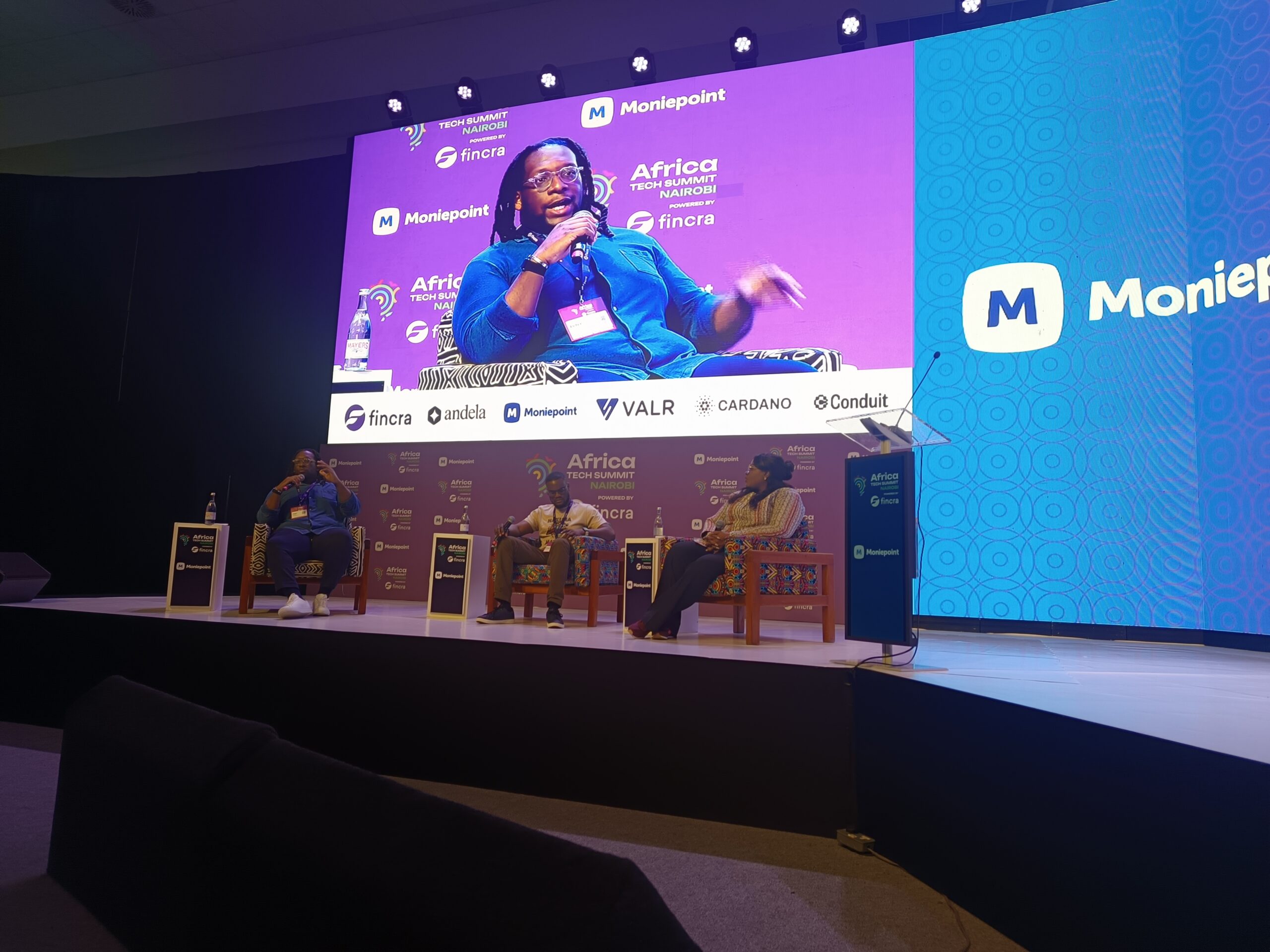
In a conference hall buzzing with the predictable energy of Nairobi’s tech scene, Moniepoint took the stage not to flaunt products, but to unpack processes. The fintech’s approach is less about flash and more about the structure beneath the surface. Peter Oriaifo, the firm’s VP of Mergers and Acquisitions, spoke in terms that felt personal as much as technical. He has been part of the company’s arc since 2020, first as an investor and now as an executive shaping the pathways of acquisition and integration. His lens on the company’s trajectory carries both the intimacy of oversight and the cold arithmetic of deals.

The observation that investments can feel like raising a child lingered longer than any bullet-point logic in the session. You make the initial outlay, nurture potential, and then attempt to position the entity for the next tier of growth. In Moniepoint’s case, these tiers intersect with a broader African fintech ecosystem that has matured unevenly. Some markets are saturated with digital wallets and payment processors, while others are just beginning to standardize electronic business operations.
Switching Systems as a Structural Move
The conversation turned technical but stayed grounded. Switching systems, in this context, is neither jargon nor a simple migration. It is a deliberate strategy to structure operations in a way that can support growth without choking on legacy processes. Too many platforms fail because they layer processing on top of inefficiency, obscuring actual business performance. Moniepoint’s effort seems to acknowledge the contradiction that innovation can only scale when it reconciles with existing operational realities.
By integrating new objects—payment engines, reconciliation frameworks, client management software—the company is not merely offering a service. It is creating a framework for predictability in a region where business payment habits vary widely. Each switch carries risk: downtime, client dissatisfaction, data errors. Yet the process also allows for optimization that can be observed numerically: fewer transaction errors, faster reconciliations, and smoother onboarding of SMEs.


M&A as Growth Philosophy
Oriaifo’s own trajectory highlights an unusual tension in African fintech: the line between investment and execution is porous. He describes joining the firm to oversee M&A as “full circle,” a path from observing growth to actively enabling it. The metaphorical child is now at the threshold of scale. Acquisitions are not just for market expansion but for operational leverage—buying teams that have solved a problem locally and integrating them with a structure that multiplies impact continent-wide.
That approach exposes contradictions inherent in high-growth tech in Africa. The company must balance agility with control, speed with integration, and market presence with operational coherence. It is not enough to identify gaps; the challenge is to align acquisitions with Moniepoint’s existing processes so that the sum of parts produces value beyond the arithmetic of revenue.

Measuring Success in Numbers
Numbers remain the anchor. Moniepoint does not talk about potential market share in vague terms. Nearly one in four active smartphones in its target markets is estimated to interface with the firm’s ecosystem. The operational benchmark is precise: system uptime, transaction throughput, reconciliation speed. This creates measurable pressure for both newly acquired entities and internal teams. Growth cannot be abstract; it must appear in ledger lines, processing times, and adoption metrics.
There is, however, room for speculation. Will the company’s layered integration model allow it to absorb acquisitions without friction? Can Moniepoint scale these frameworks into markets where regulatory enforcement differs, or where SMEs operate on more ad hoc processes? The trajectory suggests cautious optimism. The combination of operational discipline, numerical targets, and structured acquisitions provides a foundation, yet the variability of African markets remains an unresolved variable.
Observing the Ecosystem’s Next Phase
The fireside chat at Africa Tech Summit Nairobi 2026 revealed a company thinking several layers deep. Moniepoint is not chasing headlines or flashy announcements. It is calculating where inefficiencies concentrate, where integration can produce measurable returns, and where the next acquisition can add real operational leverage. This calculus is quietly shaping how payments and business management evolve across multiple markets.
For observers, the lesson is not that Moniepoint has “cracked” fintech, but that the company is embracing the messiness of growth with both humility and precision. Its path illustrates the broader tension across African fintech: scaling while structuring, integrating while expanding, measuring while exploring. Watching how it navigates these contradictions may be as instructive as any final outcome.
Go to TECHTRENDSKE.co.ke for more tech and business news from the African continent and across the world.
Follow us on WhatsApp, Telegram, Twitter, and Facebook, or subscribe to our weekly newsletter to ensure you don’t miss out on any future updates. Send tips to editorial@techtrendsmedia.co.ke


