
Expansion Across African Markets Exposes the Strain Beneath Fintech’s Growth Story
The panel conversation moved beyond optimism and into the harder terrain of trust, regulation, and whether digital finance is actually reaching the people it claims to serve

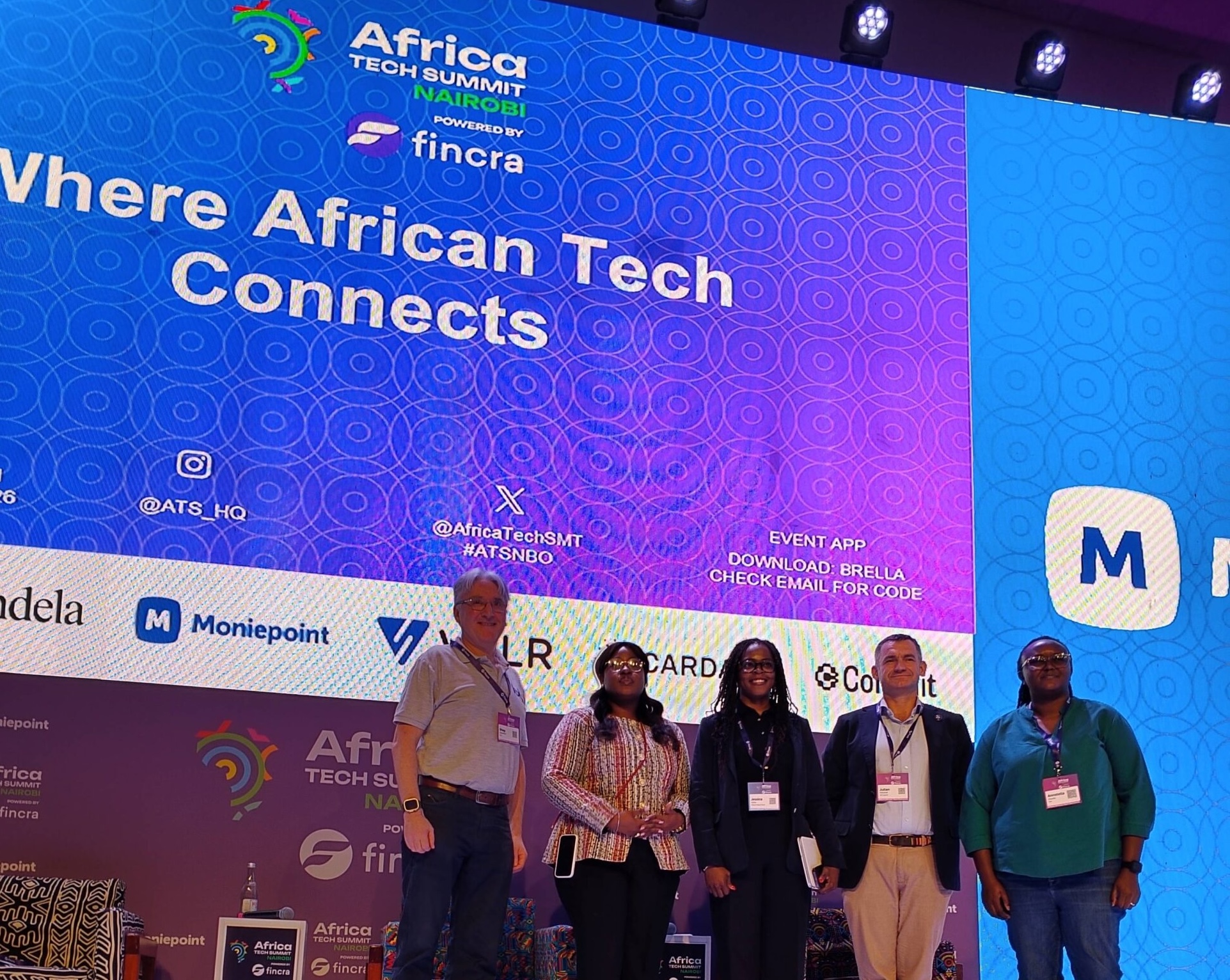
The conversation around African fintech has matured, or at least it sounds different now. At Africa Tech Summit Nairobi, the first panel on payments, wallets and credit did not carry the urgency that defined earlier years. The tone was more measured. Less about expansion for its own sake, more about endurance.

Jessica Uche of Native Teams moderated a discussion that brought together Mumbi Stella of Tala, Shay Hamilton of Tola Mobile, Tolulope Obilawu of TeamApt, and Julian Mitchell of 4G Capital. The room was full, but the energy leaned toward reflection rather than celebration. A decade into Africa’s fintech boom, the questions have become harder. Growth alone no longer answers them.
What surfaced instead was a sense that the industry has reached a stage where execution matters more than ambition.
Credit after the rush
Credit has long sat at the center of Africa’s fintech story. Access to lending helped define early momentum, particularly in markets where formal banking left gaps. Yet the panel returned repeatedly to the limits of speed. Lending at scale exposed weaknesses that were easy to overlook during expansion cycles.


Mumbi Stella spoke about sustainability in credit models, a topic that carries weight after years of aggressive customer acquisition across the continent. The underlying tension is familiar. Digital lenders can onboard users quickly, but repayment behavior, regulatory scrutiny, and funding costs eventually narrow the margin for error. The industry is learning that access without discipline produces fragile outcomes.
Julian Mitchell’s perspective reflected a more traditional lending lens. Credit, he suggested, still rests on fundamentals that technology cannot bypass. Risk assessment, repayment culture, and long-term customer relationships remain stubbornly analog concepts even when delivered through digital channels.

This is where fintech’s early optimism meets reality. Technology lowers barriers, but it does not remove risk.
Infrastructure as constraint rather than opportunity
Infrastructure once appeared as a space for innovation. At the panel, it was framed more as a constraint that determines how far companies can go. Payments rails, interoperability, and regulatory alignment continue to vary widely across African markets. The consequence is fragmentation, even as startups talk about continental scale.
Shay Hamilton pointed to the operational complexity behind cross-border transactions, where compliance requirements and telecom dependencies still shape outcomes. The conversation moved away from abstract visions of pan-African finance and toward practical limitations. Systems have to work consistently before they can expand.
Tolulope Obilawu’s contribution underscored another reality. Infrastructure decisions made years ago continue to influence today’s product design. Fintech firms often build around what exists rather than what they would prefer. That creates uneven user experiences across markets, and it explains why success in one country rarely transfers neatly into another.
The implication is straightforward. Scale in African fintech is less about speed and more about patience.
Trust becomes the real currency
If there was a recurring theme, it was trust. Not as a marketing term, but as an operational requirement. Users stay when products work reliably, when fees are predictable, when credit terms feel fair. The basics sound simple. Delivering them across millions of users is not.
The discussion hinted at a broader recalibration happening across the ecosystem. Investors have grown more cautious. Regulators have become more attentive. Consumers have more options and less tolerance for failure. Fintech companies now compete not only on innovation but on consistency.
Jessica Uche steered the conversation toward how companies maintain credibility as they expand into new markets. The answers varied, though they converged around one point. Technology alone does not create trust. Behaviour does.
That may explain why the language around fintech has changed. The emphasis is no longer on disruption but on reliability.
An ecosystem growing older
Africa Tech Summit Nairobi has tracked the continent’s technology cycle for years, and the evolution is visible in conversations like this one. Earlier editions leaned heavily on possibility. The current moment feels more grounded, shaped by lessons learned through rapid expansion and uneven outcomes.
There is also a generational element at play. Many fintech firms now operate with institutional expectations. Compliance teams have grown. Partnerships with banks have deepened. The narrative of fintech replacing traditional finance has softened into something more collaborative.
Yet unresolved tensions remain. Regulation can protect consumers while slowing innovation. Expansion promises scale while increasing operational risk. Credit expands access while exposing companies to volatility. None of these contradictions were resolved on stage, and perhaps they cannot be.
What emerged instead was a sense of an industry settling into its second phase. Less spectacle, more scrutiny. Less urgency to prove fintech belongs, more pressure to show it can last.
Africa’s fintech story continues, but the tone has changed. The optimism is still there. It just sounds older now, shaped by experience and by the understanding that building financial systems takes longer than launching apps.
Go to TECHTRENDSKE.co.ke for more tech and business news from the African continent.
Follow us on WhatsApp, Telegram, Twitter, and Facebook, or subscribe to our weekly newsletter to ensure you don’t miss out on any future updates. Send tips to editorial@techtrendsmedia.co.ke


